

• Discover how ASRS leverages vertical storage to save up to 85% of floor space.
• Learn how automated systems enhance order accuracy and streamline processing times, enabling faster fulfillment.
• Understand how modular designs future-proof your operations against shifting demands.
• See how Addverb’s energy-efficient ASRS solutions reduce operational costs and environmental impact.
In an era defined by rapid technological advancement and shifting consumer expectations, the landscape of warehouse operations is evolving at an unprecedented pace. From the number of SKUs available to the velocity of supply chain networks, profitability remains the key metric for expansion. This whitepaper addresses the challenges posed by limited space, labour shortages, and the demands of omnichannel retail, while delving into the transformative role of Automated Storage and Retrieval Systems (ASRS) in optimising warehouse efficiency.
Our exploration begins with a comprehensive overview of the growing need for warehouse automation, highlighting how ASRS technology meets the increasing demands for scalability and operational efficiency. We examine the historical evolution of ASRS, showcasing key technological advancements that have shaped its development into a high-density solution maximising storage potential.
From a business owner's perspective, it has become a strategic imperative to optimise vertical space due to escalating land prices and limited horizontal space. ASRS systems are designed to leverage vertical storage, effectively utilising available cubic footage and minimising the need for costly expansions. By employing advanced vertical lift and crane mechanisms, these systems enable warehouses to store more inventory within a smaller footprint, driving significant improvements in space utilisation and operational output. From maximising storage density to improving inventory accuracy, ASRS solutions present a robust answer to the complexities of contemporary warehousing.
As you delve into this whitepaper, you will discover a compelling case for embracing ASRS technology. Together, let us explore how these innovative solutions can help your business thrive in the dynamic world of warehouse operations.
In an increasingly competitive reality, logistic costs are gaining more relevance in the global production expenses, as they are vital due to an increasingly wider range of products and a need for fast deliveries demanded by customers.
Caridade et al. (2017). Source: Procedia Manufacturing, 13, 1096-1103
Bearing in mind the increased velocity with which customers demand their goods to be available, the faster a company can retrieve goods, the quicker these products will be made available to customers. This capability helps outperform competitors and boosts the company's success by ensuring the delivery of the right products to the right clients, at the right place, at the right time, and at the right price.
Supply chain management ensures that the right product reaches the customer at the right time, with controlled costs and maintained quality. Traditionally, this process involves a central planner optimising costs and demand. However, recent advances in technology and methodologies have transformed the field, improving efficiency and driving organisational progress.
All supply chain participants are interdependent. For example, corporations and their suppliers rely on one another to keep production flowing. This dynamic often involves multiple decision-makers, leading to a shift from the traditional "supply chain" to a more interconnected "supply network." This network approach simplifies modelling, identifies bottlenecks, and enhances efficiency, often through digital solutions.
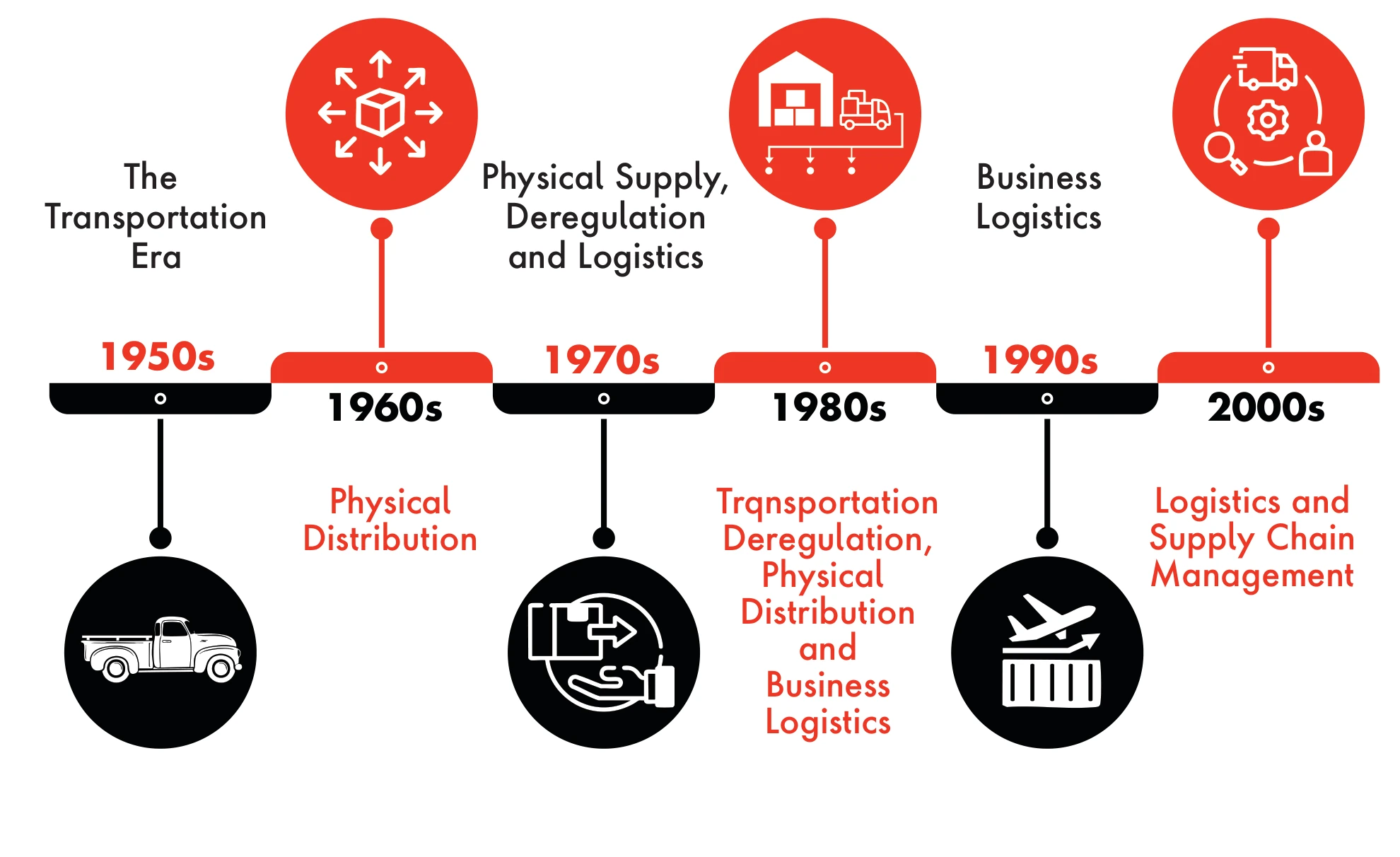
In the context of an evolving supply network, warehouses play a critical role by extending the availability of goods to customers over time, thereby enhancing their value. Traditionally seen as storage facilities, warehouses are now strategic assets within the supply network, contributing to competitive advantage. Effective management of these facilities can minimise operational costs, improve service levels, and optimise the entire supply network, aligning with broader organisational goals. Given the complexity and frequency of warehouse operations, even minor adjustments can drive significant improvements and cost savings across the network.
Source: The relevance of space analysis in warehouse management, Procedia Manufacturing 55 (2021)
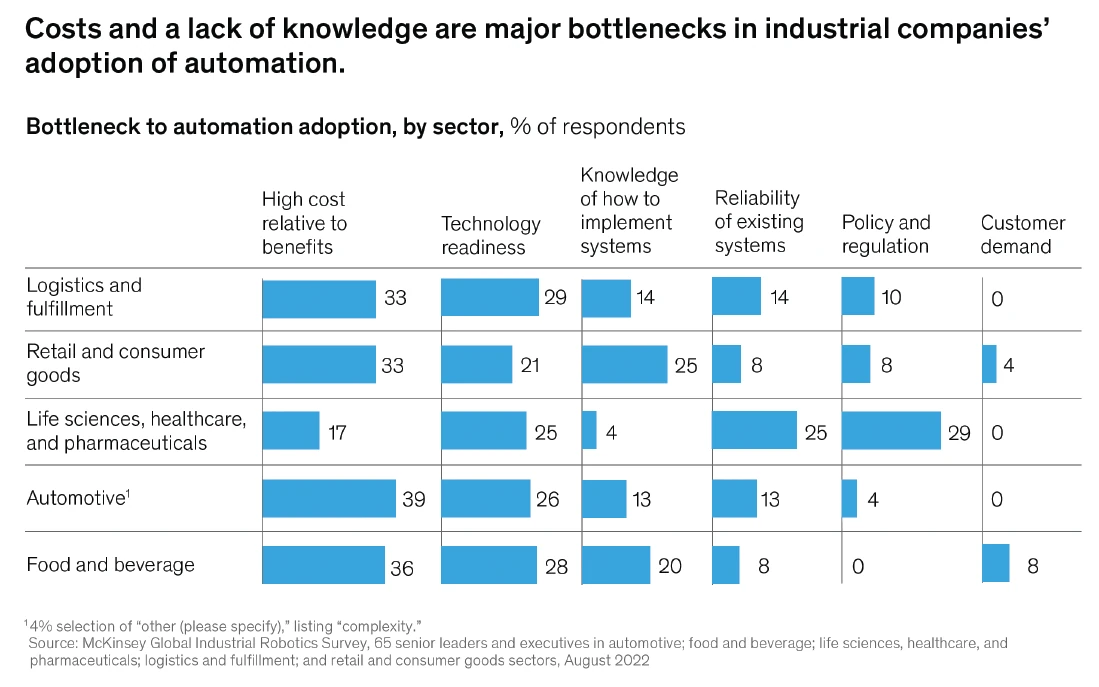
Despite substantial capital investments, many companies face challenges in turning their automation and robotics goals into reality, primarily due to knowledge gaps and concerns about return on investment. In the retail and consumer goods sector, around 60 percent of respondents (14 out of 24) identified these factors as key barriers. Other obstacles include a lack of technological preparedness and concerns about system reliability. These challenges represent a significant opportunity for robotics and automation providers to help businesses build the capabilities needed for large-scale automation. However, vendors must address customer concerns effectively and differentiate themselves from competitors.
Customers prioritise differentiation in pricing, scalability, and innovation. Other important factors include product quality, the ability to provide integrated solutions, and successful case studies demonstrating previous rollouts. Providers should deliver solutions that are cost-efficient, quickly deployable, reliable, safe, and scalable. They must also facilitate a seamless transition from prototypes to large-scale implementation within the client’s organisation. One promising avenue for differentiation is offering full-service models that integrate software and hardware sales with ongoing support throughout the product lifecycle.
of respondents agree that customers prefer providers offering such full-service models for implementation.
McKinsey & Company 2023
Automation vendors, such as Addverb, who adopt a "robotics as a service" approach and serve as a single point of contact for both hardware and software maintenance, will gain a significant competitive edge. Additionally, survey participants place high value on flexible cost models, such as cost-per-pick, further enhancing the appeal of these providers.
Source: Unlocking the Industrial Potential of Robotics and Automation, McKinsey & Company 2023
In today’s rapidly evolving logistics and supply chain landscape, the need for efficient, scalable, and cost-effective warehouse operations has become more critical than ever. The growth of e-commerce, rising customer expectations, and the demand for faster order fulfilment have placed unprecedented strain on traditional warehouse operations. Manual processes, while still widely used, often struggle to keep pace with these modern demands, resulting in bottlenecks, errors, and inefficiencies.
Warehouse automation has emerged as a vital solution to these challenges. By automating critical processes, businesses can significantly enhance operational speed, accuracy, and overall productivity. Automated solutions such as Autonomous Mobile Robots (AMRs) and Automated Storage and Retrieval Systems (ASRS) empower warehouses to meet current demands while seamlessly scaling operations to accommodate future growth. From handling higher volumes and improving inventory management to optimising space utilisation, warehouse automation helps businesses maintain competitiveness by driving greater operational efficiency.
In a recent McKinsey research, an analysis of 25 US companies across the three material handling activities viz. Material Movement, Storage, and Sortation show relatively high throughput to storage ratio (TSR), with better performance on the automation-heavy side of the segment. Fittingly, ASRS has the highest TSR, primarily because it has market share in both automated and conventional segments.
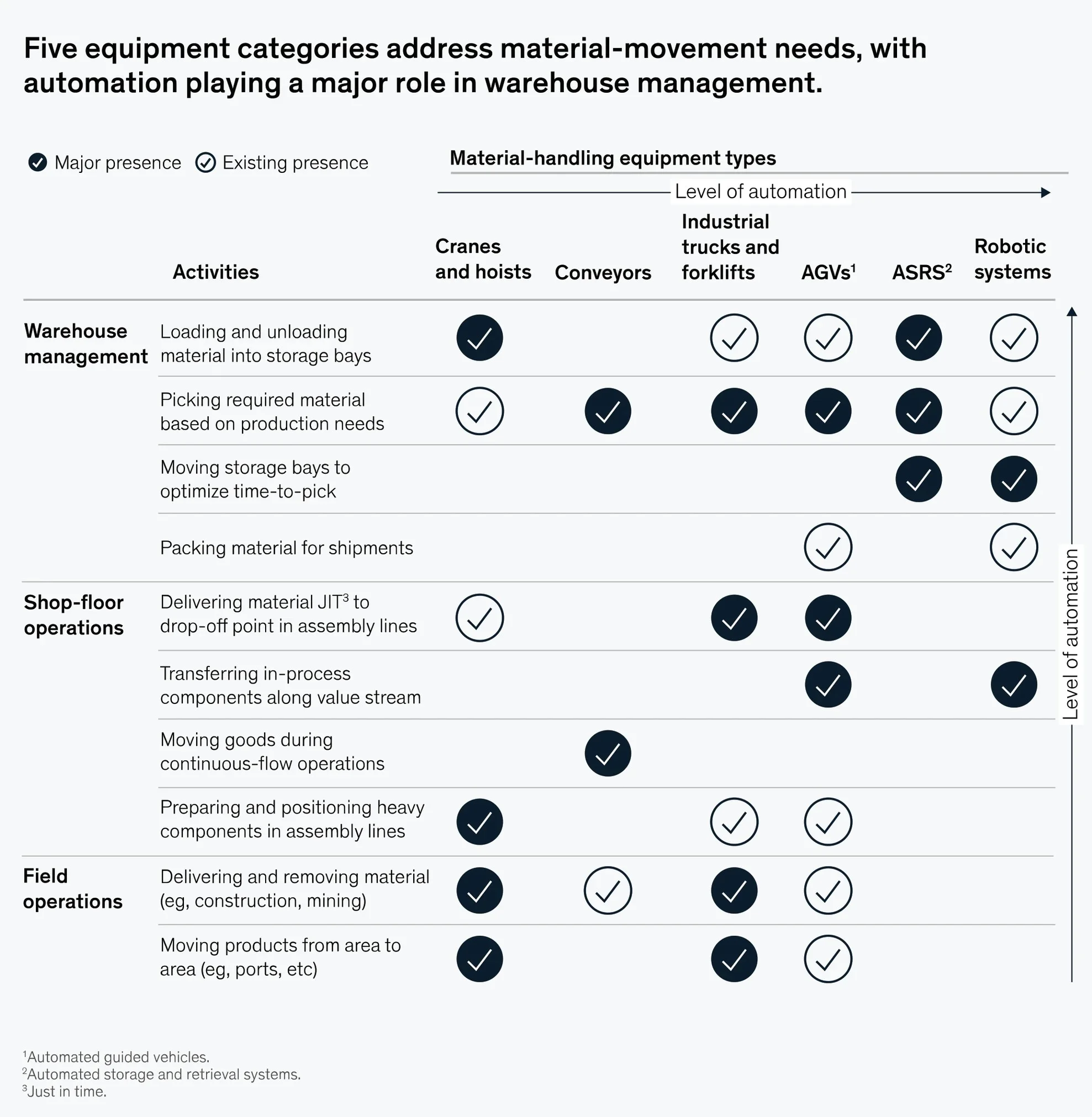
Source: A Changing Material-Handling Market: How to Ensure Continuous Success, McKinsey & Company 2022
In the broadest sense, AS/RSs can be defined as a combination of equipment and controls that automatically handle, store and retrieve materials with great speed and accuracy, without direct handling by a human worker. This definition covers a wide variety of systems with varying degrees of complexity and size. However, the term “automated storage and retrieval system” has come to mean a single type of system comprising one or multiple parallel aisles with multi-tiered racks; stacker crane (also referred to as storage/retrieval machine or S/R machine); input/output (I/O) stations (pickup/delivery stations, P/D stations or docks); accumulating conveyors and a central supervisory computer and communication system.
Source: Linn and Wysk 1990b; Manzini et al. 2006; Lee et al. 1996; Van den Berg and Gademann 2000
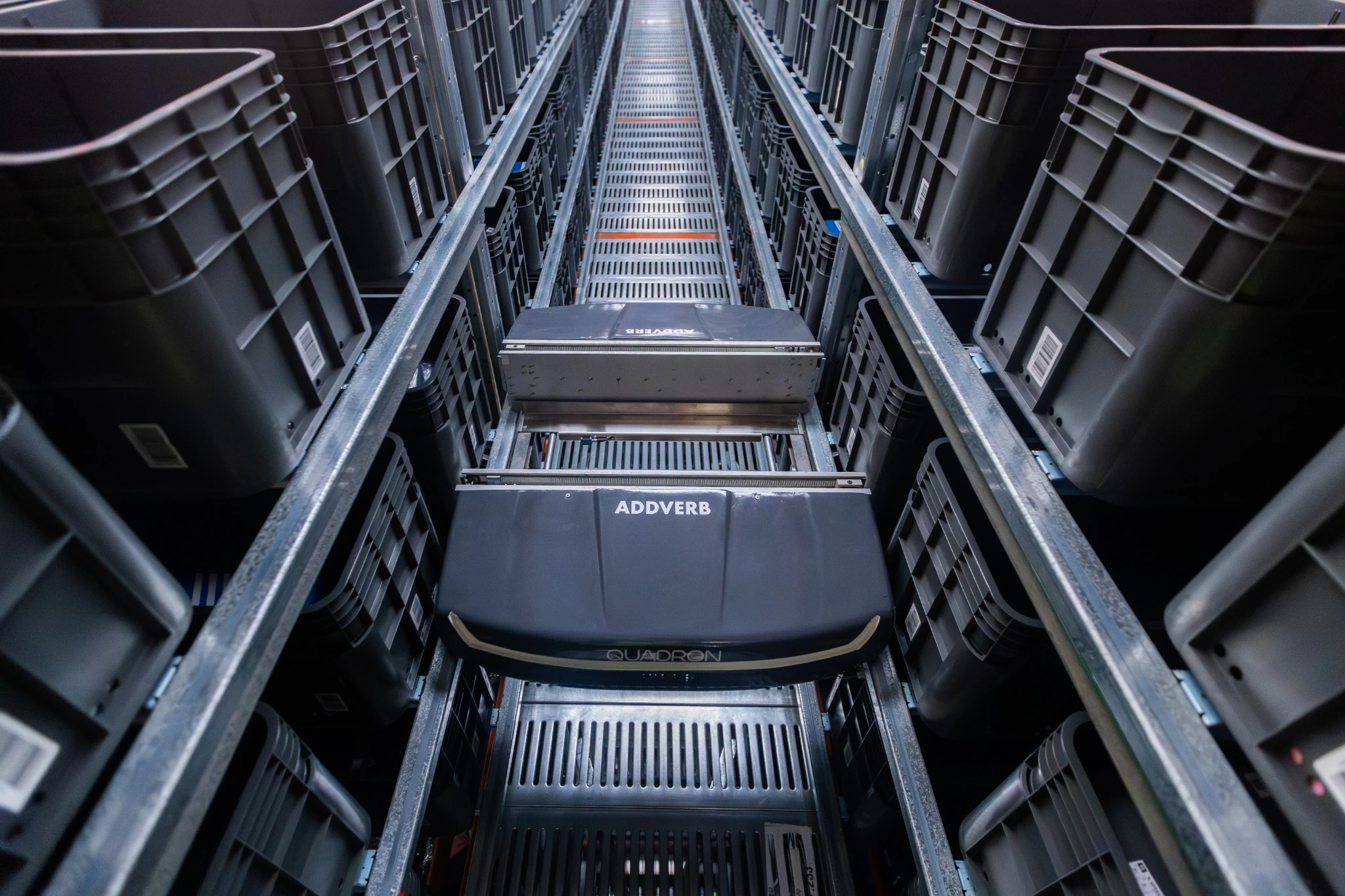
The Automated Storage and Retrieval System (ASRS) is a technology designed to handle the storage, retrieval, and management of goods with high efficiency. It offers a transformative solution to address common warehouse pain points such as space utilisation, inventory control, and picking speed.
Automated Storage and Retrieval Systems work by utilising cranes, shuttles, or lifts to move goods in and out of storage locations. These systems are controlled by Warehouse Execution Systems (WES) or Warehouse Management Systems (WMS), ensuring precise, real-time tracking of inventory. ASRS enables warehouses to operate 24/7, significantly boosting throughput while minimising human intervention.
The ASRS system provides considerable space savings and can save up to 85% of floor space by removing the wasted aisle space with the utilisation of the full ceiling height of the warehousing facility.
Source: Automated Storage & Retrieval Market Size, Share & Analysis Markets and Markets 2023 (Report code: SE 3360)
By integrating ASRS into your warehouse, you not only enhance current operations but also future proof your business for growth. Whether you’re looking to accommodate higher order volumes, improve space utilisation, or increase operational flexibility, ASRS offers a reliable, scalable solution that can drive your warehouse towards higher levels of efficiency and productivity.
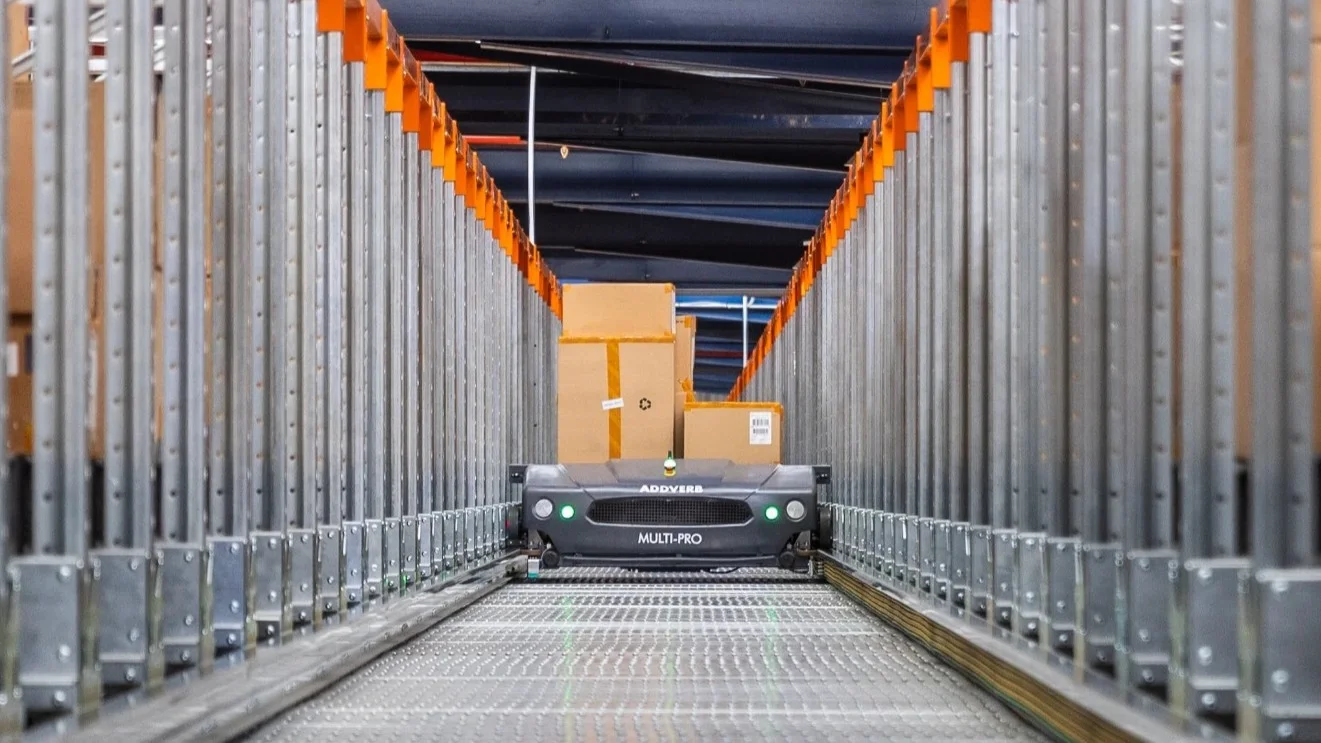
AS/RSs offer the advantages of improved inventory control and cost-effective utilisation of time, space and equipment (Hur et al. 2004; Manzini et al. 2006; Van den Berg and Gademann 1999).
Source: Automated Storage and Retrieval Systems: A Review on Travel Time Models and Control Policies, 2014
Reliance - Automated Distribution Centre
Situation: Reliance Industries Limited (RIL) aimed to modernise its Fashion and Lifestyle Distribution Centre to enhance operational efficiency and accuracy. This initiative will help manage increased demand, improve processing speed, reduce processing times, and optimise resource usage.
Action: The expanded storage capacity of 1.5 crore units meets growing inventory demands. The ASRS and Shuttle Systems enhance material handling and ensure smooth order transitions. We have achieved 100% order fulfilment accuracy with a daily throughput of 2.7 lakh units.
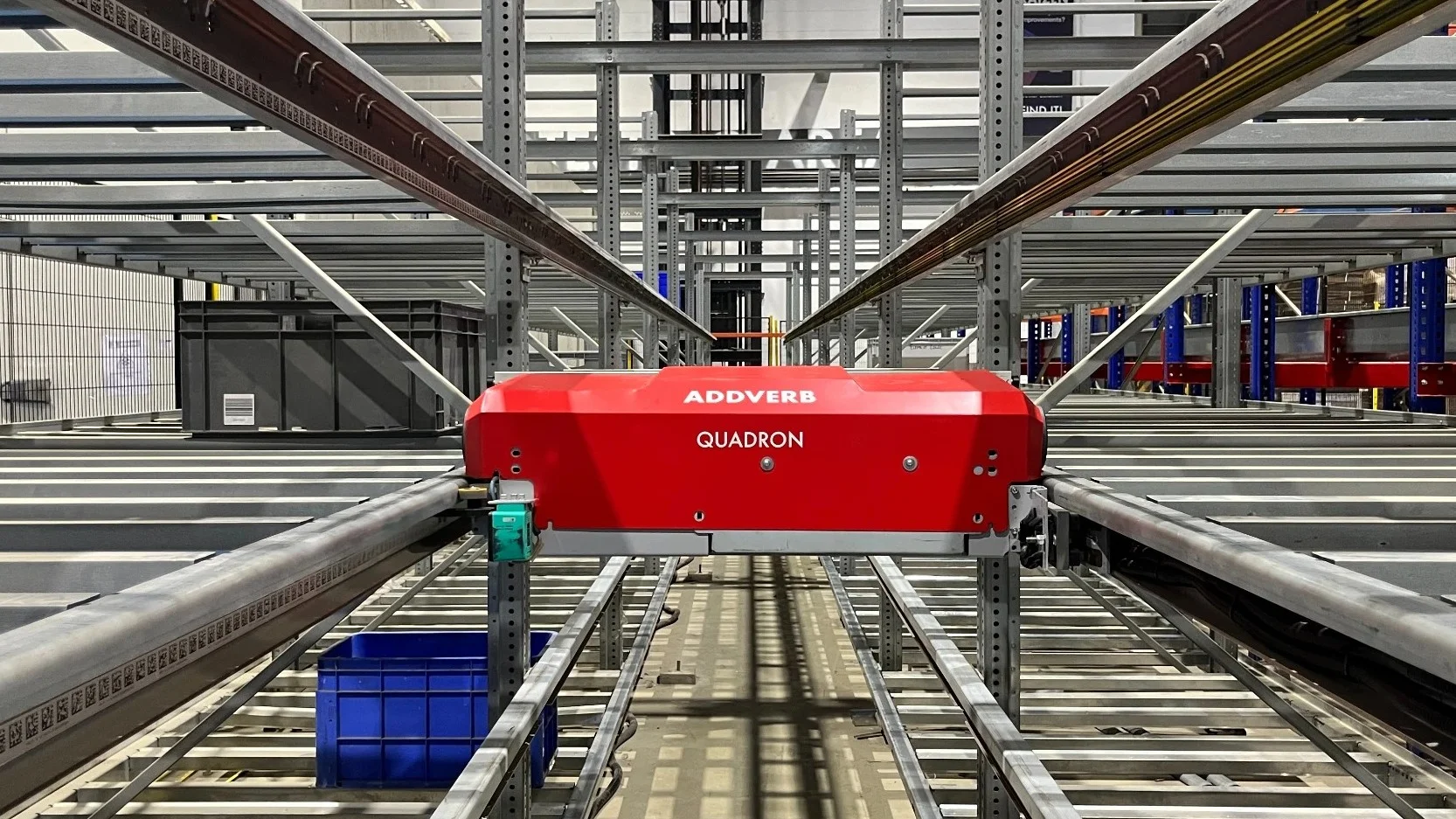
Optimus :
Addverb’s real-time inventory tracking and automated record-keeping Software.
39% of the logistics costs in Europe are due to activities regarding the warehouse. In fact, all over the world warehouse activities represent around €300 billion every year, with more than 85% involving operating costs - such as space, picking, storage, sorting, labour, equipment, packaging, and dispatching.
Source: The relevance of space analysis in warehouse management, 2021
PepsiCo - Automated Mixed Case Palletising
Situation: PepsiCo aimed to improve its operations, from inventory management to storage and dispatch. The goal was to increase storage capacity and throughput, optimise limited space, and implement direct dispatch to distributors.
Action: An innovative rainbow palletisation solution utilises crane-based ASRS, mother-child shuttles, and pick-by-light technology, achieving throughput of 300 pallets per hour with 9,700 pallet positions.
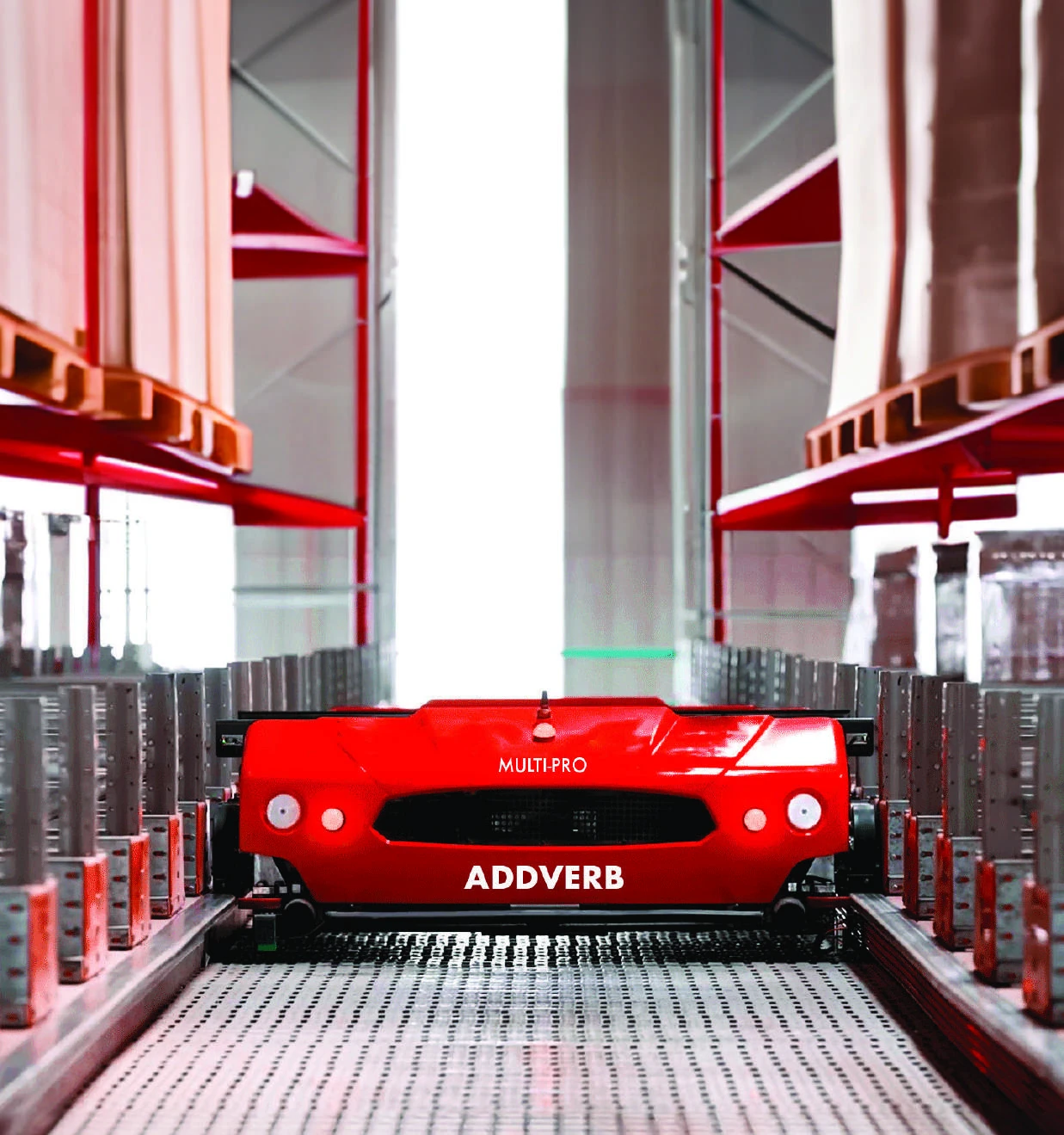
Addverb’s ASRS:
flexible and scalable, and adaptable for the evolving market demands.
ITC - Automated High Density Storage Plant
Situation: ITC needed a solution to manage inventory from receipt to storage and distribution. The aim was to enhance storage and processing capacity within limited space and enable direct shipments to distributors.
Action: Solution optimises warehouse operations with Multipro, enabling G+3 level storage and a throughput of 104 pallets per hour. The system covers 2,700 square metres, storing up to 4,700 pallets at a height of 12 metres, all managed by a Warehouse Control System.
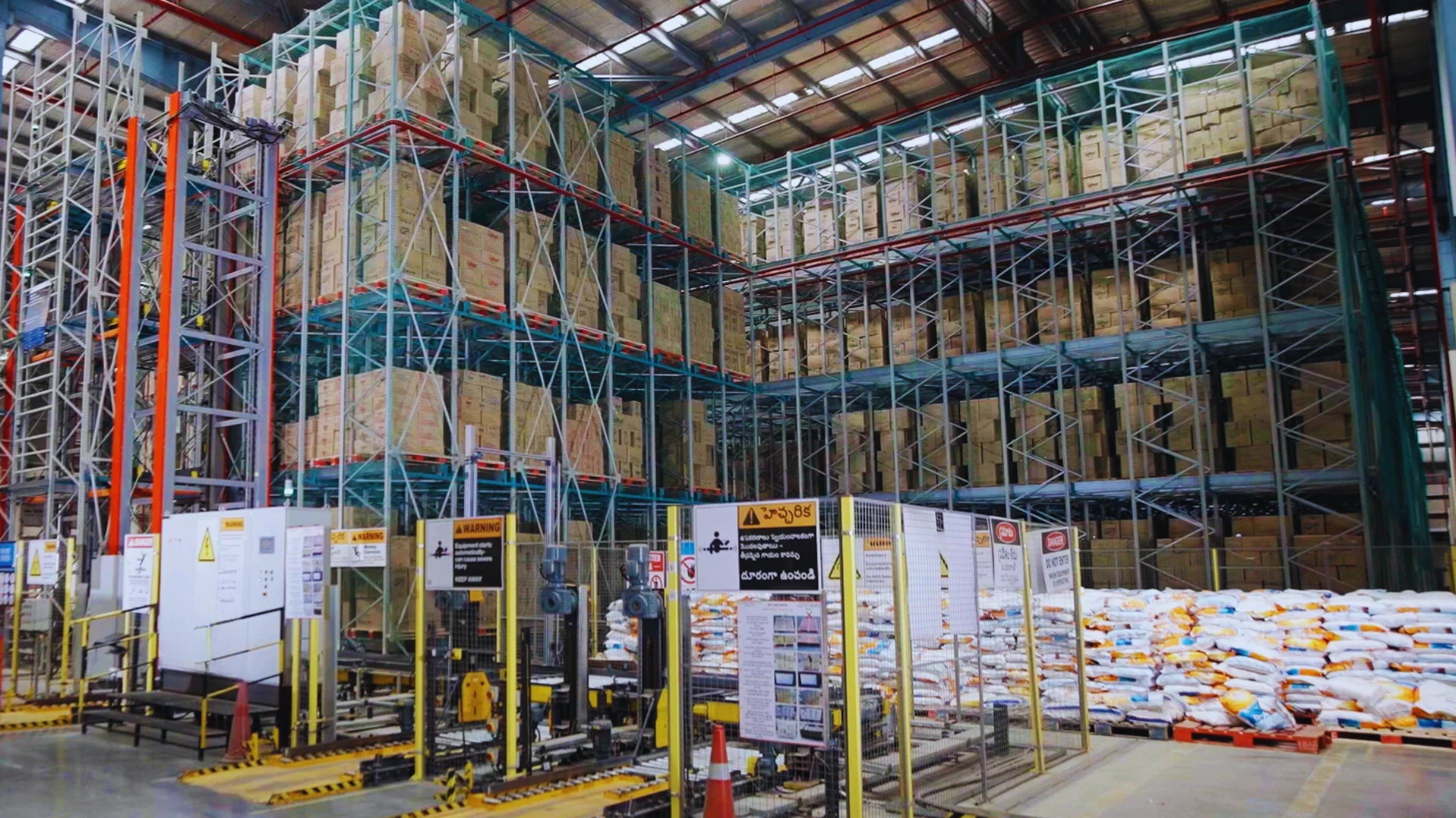
Maersk - Implements Flexible Warehouse Automation
Situation: The Maersk facility managed various SKUs and needed a solution for efficient and accurate handling. Their requirements included receiving materials, storage, picking items, and consolidating orders for quick dispatch to their destinations.
Action: The automation solution dispatched 100,000 items daily to 2,500 nodes, using a Pick-to-Light system and high-density storage with 16,500 pallets and 86,400 totes. Robots processed 420 cartons per hour, sorting 3,600 units with a double-layer system, all managed by a warehouse control system.
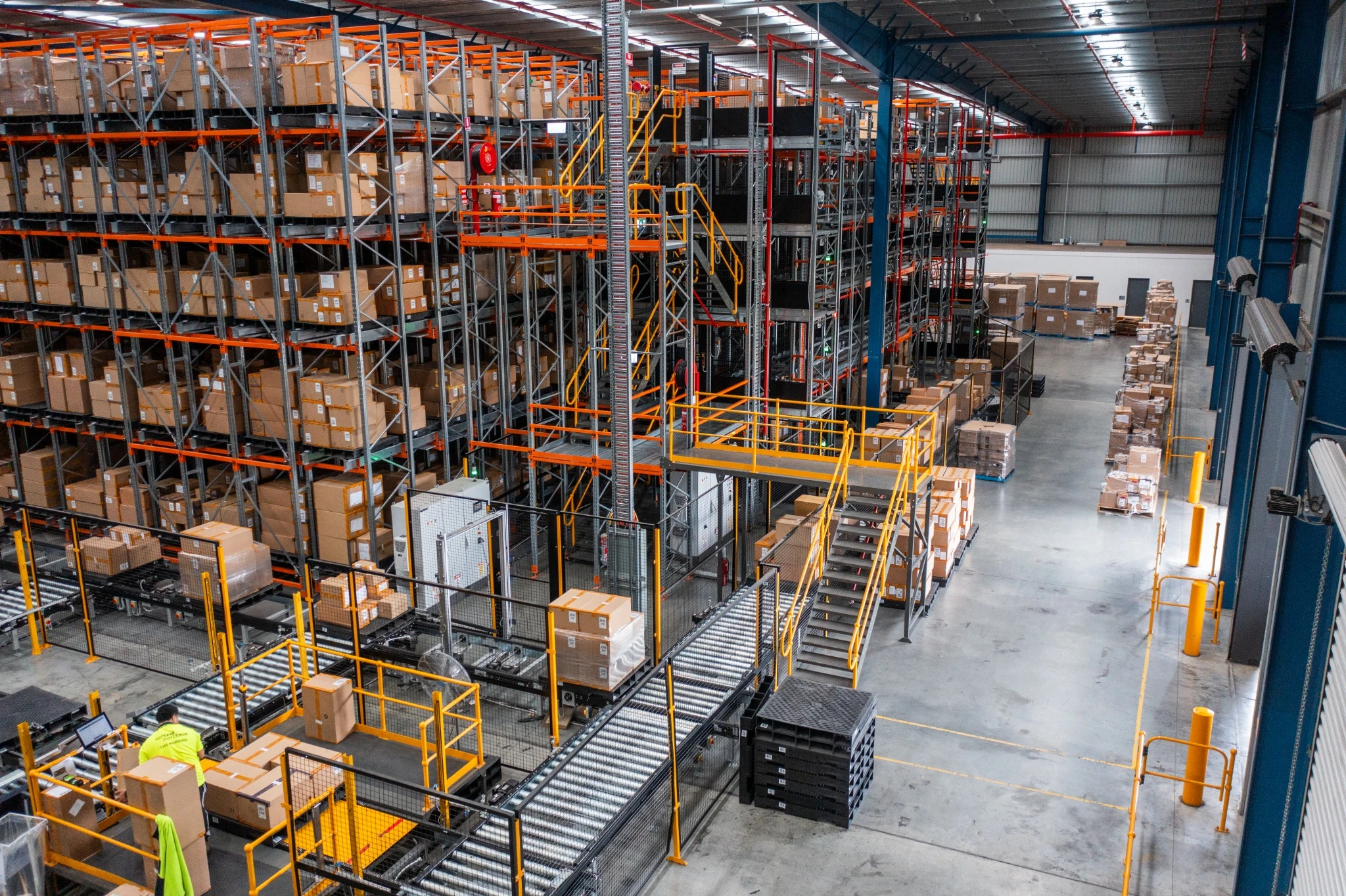
As the demand for more agile, efficient, and scalable warehouse operations continues to grow, new trends are shaping the future of Automated Storage and Retrieval Systems (ASRS).
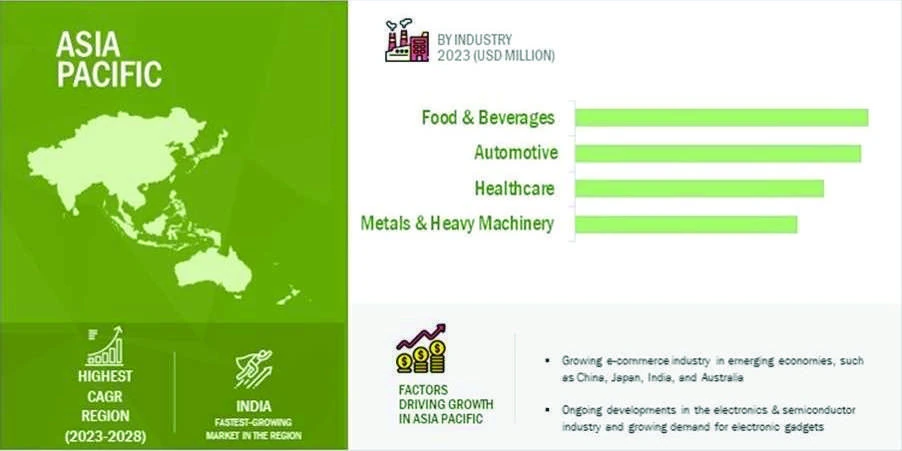
The Asia Pacific region is expected to experience the highest CAGR in the ASRS market during the forecast period. The rapid industrialisation, booming e-commerce sector, and the increasing demand for greater efficiency in manufacturing and logistics have fuelled the adoption of ASRS technology in this region. Governments and businesses are heavily investing in automation to address labour shortages, improve productivity, and reduce operational costs. Additionally, government initiatives aimed at promoting automation and technological advancements are further driving the growth of the ASRS market. As companies in Asia Pacific recognise the numerous benefits of automation, such as enhanced operational efficiency, reduced labour costs, and increased competitiveness, significant growth in ASRS adoption is anticipated in the coming years.
Source: Automated Storage & Retrieval Market Size, Share & Analysis Markets and Markets 2023 (Report code: SE 3360)
Due to the complexity and enormous cost associated with automated material handling systems, it is crucial to design an AS/RS in such a way that it can efficiently handle current and future demand requirements, while avoiding over capacity and bottlenecks. Furthermore, due to the inflexibility of the physical layout and the equipment, it is essential to design it right at once.
Addverb offers both hardware and software solution for ASRS along with WES, WCS and FMS that can integrate with existing ERP Systems
Addverb is at the forefront of driving innovation in ASRS technology, with a clear vision for the future that aligns with emerging trends in automation, flexibility, and sustainability. Here’s how Addverb is leading the charge:
Addverb's Automated Storage and Retrieval Systems (ASRS) represent a transformative solution for warehouses navigating the complexities of modern supply chains. The key benefits of implementing Addverb’s ASRS include:
As the demands of e-commerce and omnichannel retail continue to rise, the need for robust, scalable, and efficient warehouse solutions has never been more critical. Embracing Addverb's ASRS technology is a strategic move that can pave the way for long-term operational success.
We invite businesses to explore the transformative potential of our innovative ASRS solutions and discover how they can optimise their warehouse operations to meet the challenges of today and tomorrow. By integrating Addverb’s technology, you can position your business at the forefront of the industry, driving efficiency, reducing costs, and enhancing customer satisfaction.
The future of warehouse automation is here. Let Addverb be your partner in this journey toward excellence. Together, we can redefine your operational capabilities and unlock new avenues for growth.
On one click, no email required.