AMRs vs AGVs – Which One Is Right For Your Business?
Highlights
• Understand the core differences - navigation, flexibility, cost, scalability - and learn when each technology makes sense.
• See how intralogistics robotics evolved from conveyors to AGVs to AMRs, and what differentiates them.
• Learn how Addverb's expertise in AMRs and AGVs have helped businesses globally maximize material flow efficiency.
Executive Summary
Should you choose AGVs or AMRs for your warehouse operations?
The most common answer to this query, just like all other choices in life is: It depends.
As one of the few solution providers in automation space that caters to both fixed and flexible automation solutions, we get this question a lot.
While it is tough to answer it completely every-time, this whitepaper tackles this question in a comprehensive way. It is an attempt to provide a single document to help you choose between AGVs and AMRs for your warehouse requirements.
The scope includes technical distinctions, applications, and things to consider when selecting the best option for your company. Moreover, we have also considered various automation objectives like managing safety and scalability, material handling, & operating costs. At the last, we also focus on some of the case studies that show the same with example.
With a compound annual growth rate (CAGR) of nearly 15% from 2020 to 2025, the warehouse automation market is projected to reach $41 billion by 2027. Furthermore, according to Gartner, by 2026, three-fourths of all large businesses will have implemented intralogistics smart robots in some capacity for their warehouse operations.
The Evolution of Material Handling Automation Technology
Continuous innovation throughout the history of material handling automation has been fuelled by the goals of increasing efficiency, reducing human error and lowering costs. From basic manual procedures to highly complex autonomous systems that can adjust to changing conditions, technologies have advanced over the years.
2.1 A Brief History
Material handling automation technology has evolved remarkably over the past century, beginning with basic conveyor systems and manual labour in the early 1900s. While conveyors offered a mechanised way to move goods along fixed paths - ideal for repetitive, high-volume tasks - they lacked the flexibility required for changing warehouse layouts and workflows.
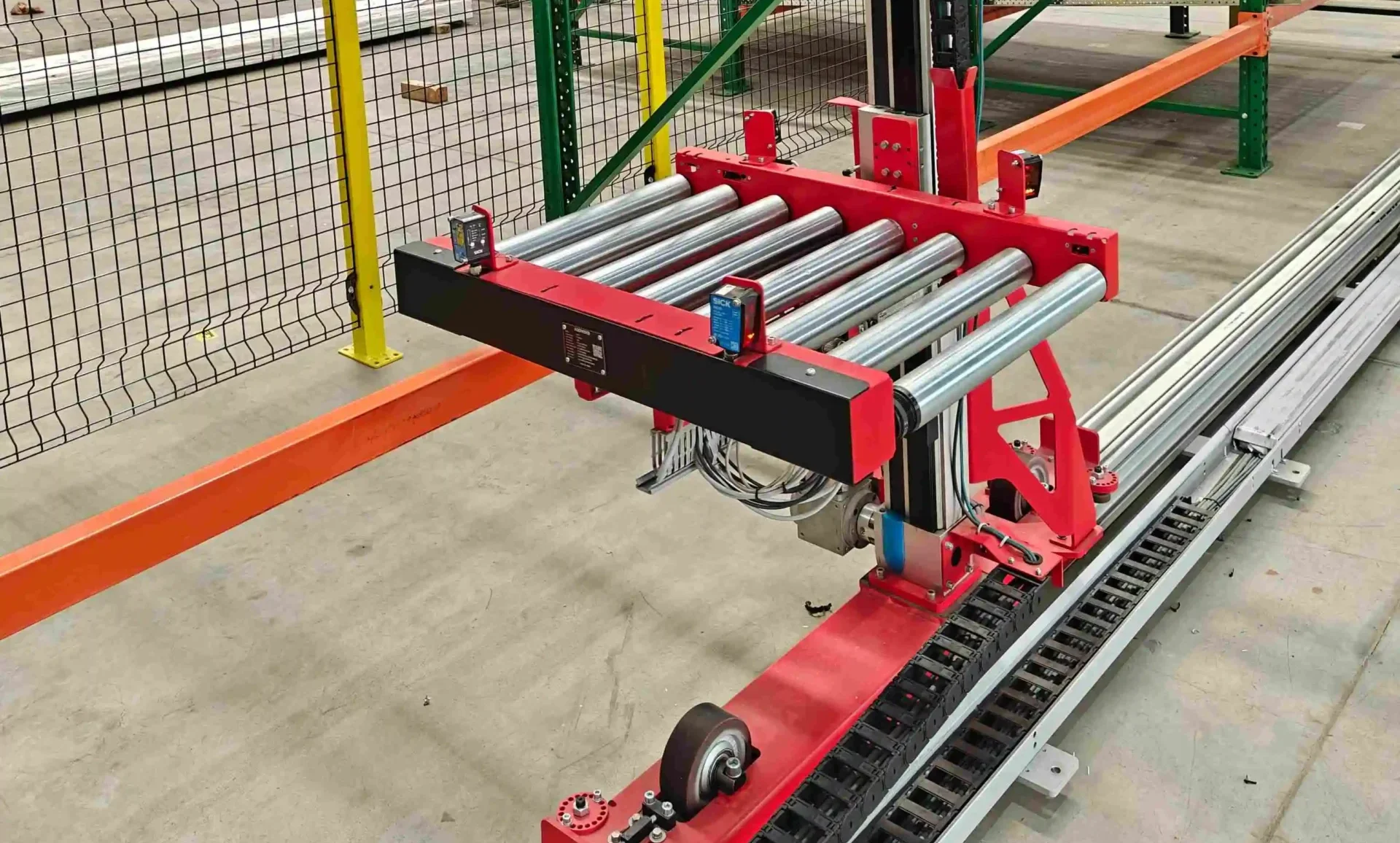
This limitation led to the emergence of Automated Guided Vehicles (AGVs) in the 1960s, which used embedded wires or tracks to navigate fixed routes and perform more complex tasks like material transport and load handling.
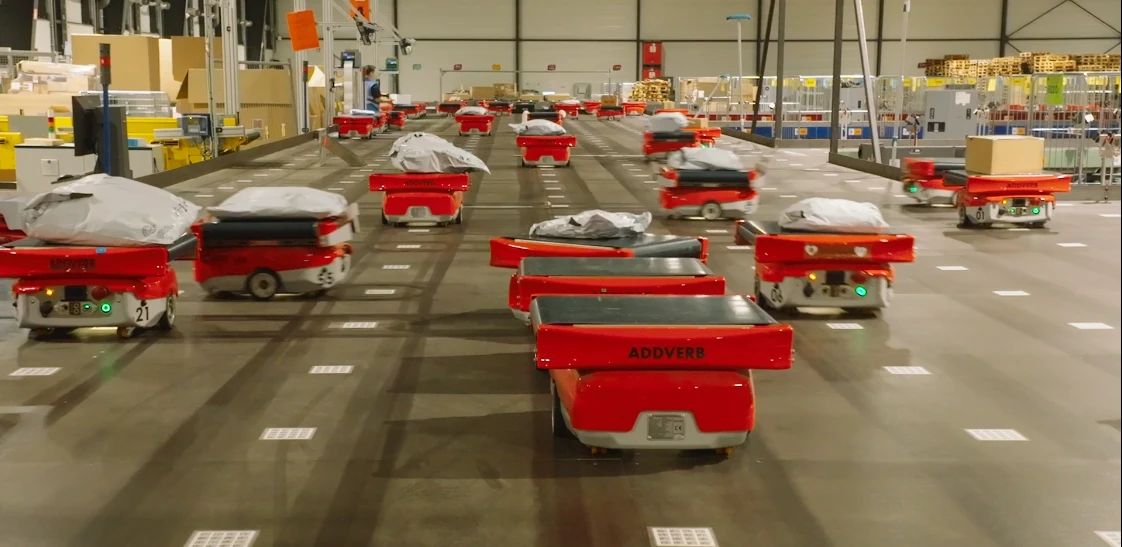
The next breakthrough came in the 1990s with the development of Autonomous Mobile Robots (AMRs), which, unlike AGVs, use advanced technologies such as LiDAR sensors, AI and computer vision to navigate autonomously without fixed paths.
The Modern Developments
By the 2000s and 2010s, improvements in SLAM navigation, machine learning, and fleet management systems enabled AMRs to operate in real-time, adjust to shifting conditions, & collaborate across fleets, making them ideal for fast-paced industries like e-commerce, pharma, and distribution.
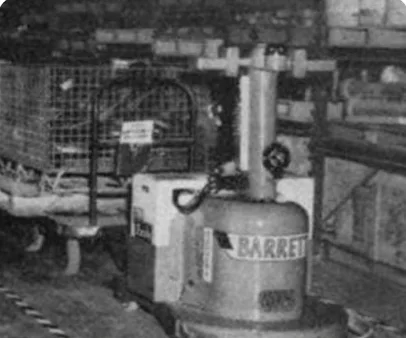
The first ever AGV
The first known AGV was introduced by Barret Electronics in 1953. Since then, AGVs have been used to simplify logistic and material handling processes in industrial environments.
2.2 Is the market shifting from AGVs to AMRs?
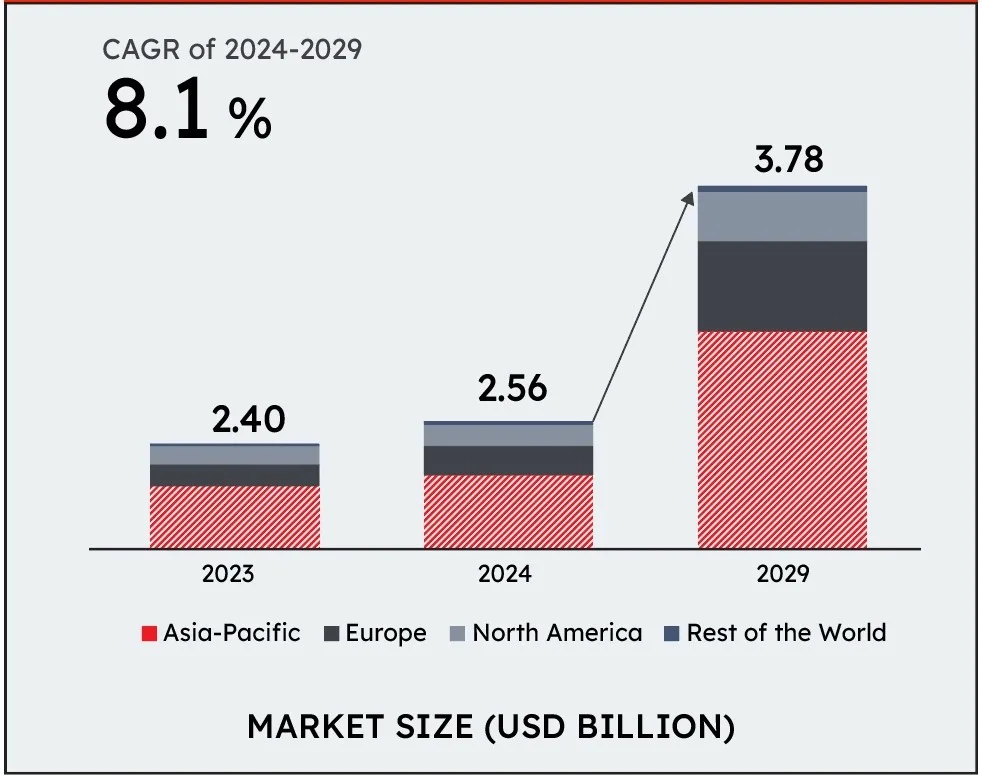
As per the report from MarketsandMarkets, the AGV market is estimated to have reached a value of $2.4 billion in 2024. Their forecasts indicate that by 2029, it will reach a value of $3.8 billion. The growth drivers mentioned in the report include the demand for automation in factories and warehouses, increasing safety levels, production flexibility, and adapting to market needs, such as moving away from mass production in favour of customised solutions.
AUTONOMOUS MOBILE ROBOTS MARKETMarket Size, Market Dynamics & Ecosystem
Despite the strong and established presence of Automated Guided Vehicles (AGV) in manufacturing plants, their role is gradually being taken over by AMR carts. It is estimated that autonomous mobile robots (AMR) will constitute 80% of industrial robots by 2027, and their number in factories is expected to reach 15 million by 2030.
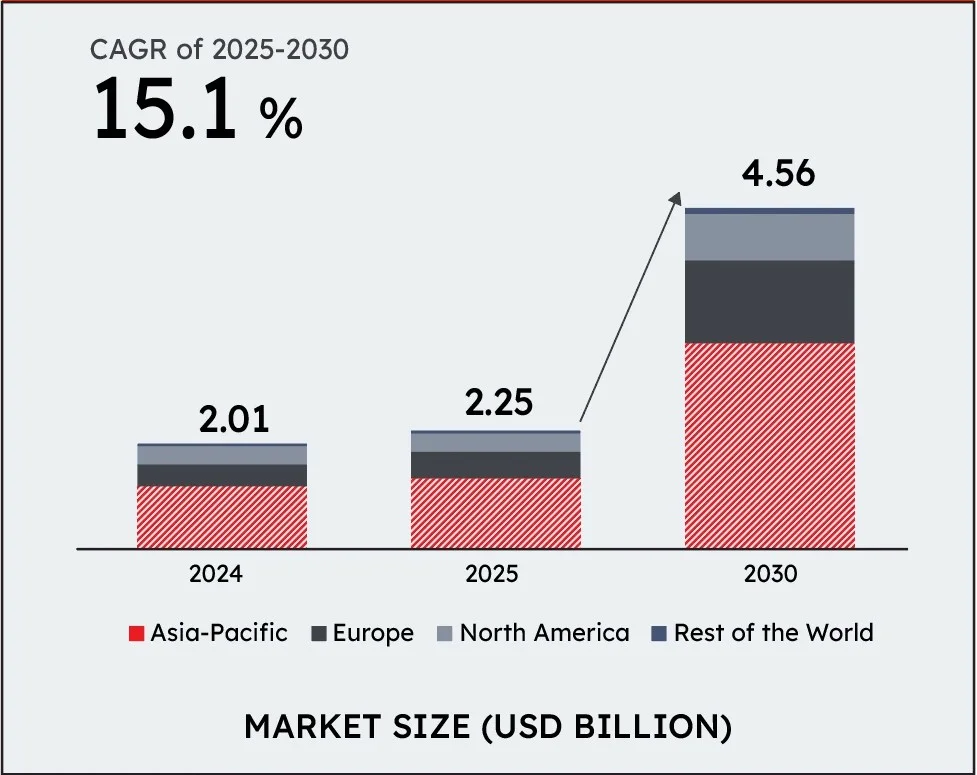
According to research by The Insight Partners, the market value of AMR robots in five key regions: North America (NAM), Europe, Asia-Pacific (APAC), the Middle East and Africa (MEA), and South America (SCAM) can be seen in the charts above. It is also estimated that the AMR robot market could reach $4.6 billion by 2030.
Technological advances also make the case for AMR adoption stronger. Sensor fusion (LiDAR, vision cameras, SLAM) is now achieving commercial adoption, and "sensor-fusion AMRs" are expected to exhibit 70% growth rates. Additionally, AMR fleets benefit from fleet management systems that coordinate multiple units in real time, optimising overall throughput, not just single-robot efficiency.
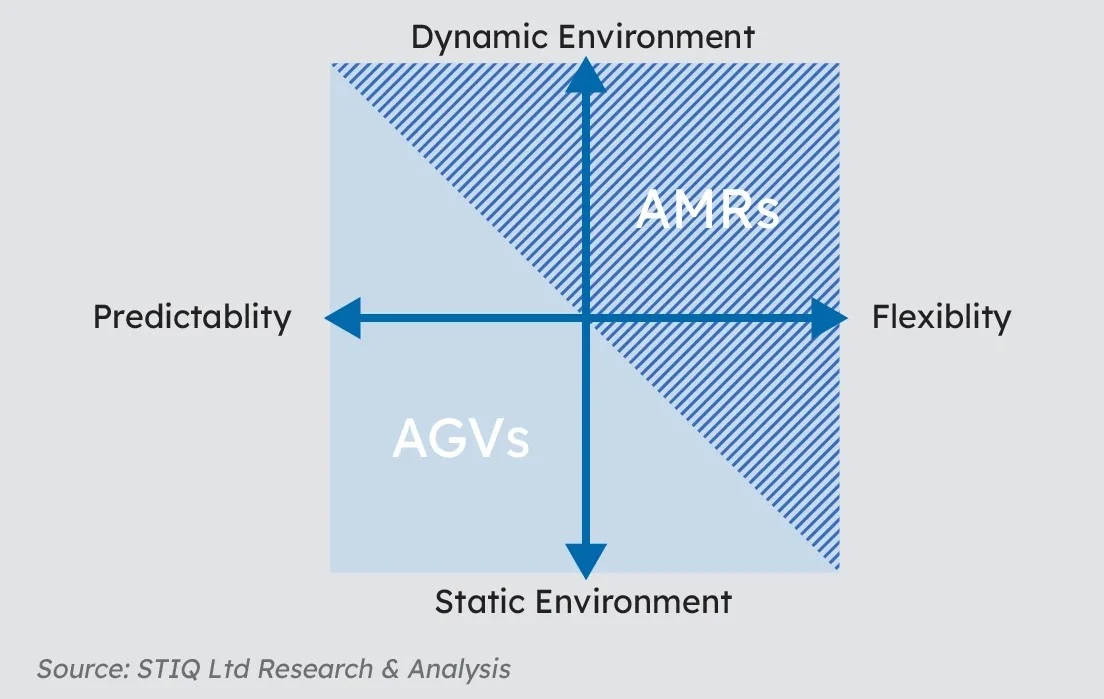
While AGVs remain reliable for predictable, static workflows, industry-wide trends, AMRs have positioned themselves as the future of flexible, scalable, and intelligent warehouse automation.
AMRs and AGVs - How they differ?
Parameter
Automated Guided Vehicles
Autonomous Mobile Robots
Navigation Method
Fixed path (magnetic tape, wires, tracks, QR codes)
Dynamic path planning using SLAM, LiDAR, cameras, & sensors
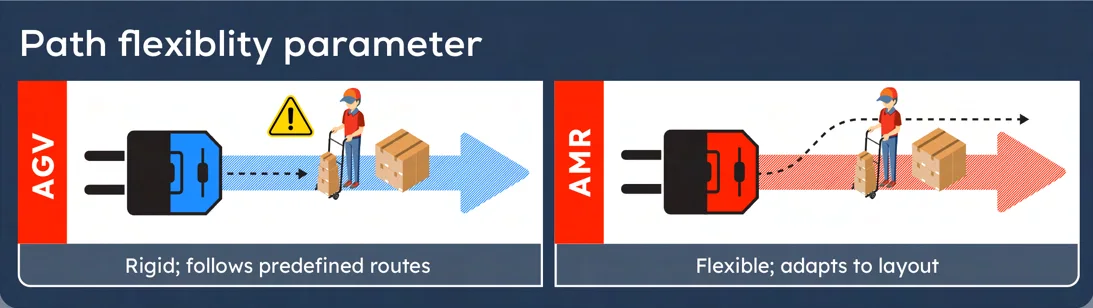
Path Flexibility
Rigid; follows predefined routes
Flexible; adapts to layout and obstacles in real time
Obstacle Handling
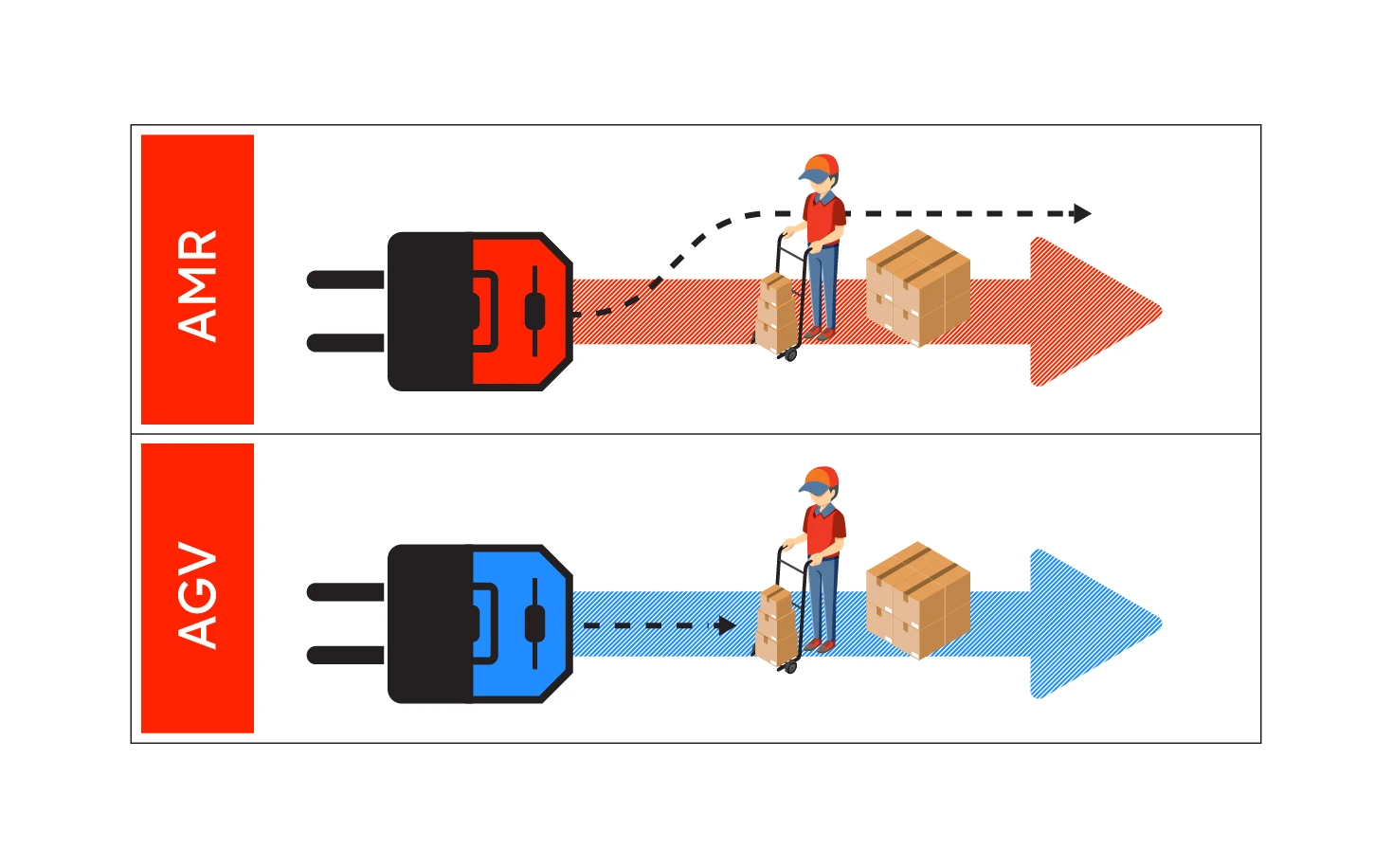
Stops when encountering obstacles
Detects and reroutes around obstacles
Human Interaction
Limited; requires separation from people
Designed to work safely alongside humans
Setup Infrastructure
Requires installation of tracks, reflectors, or markers
A number of operational and infrastructural factors influence the strategic choice to invest in warehouse automation. This section breaks down the essential elements that businesses need to consider in order to choose the best technology for their particular warehouse setting, be it AGVs, AMRs, or a combination of the two.
AGVsAMRs
AGV vs AMR
(AMRs) offer several advantages over traditional material handling solutions, such as AGVs, making them an attractive option for businesses looking to improve their operations.
4.1 Requirements for System Scalability & Flexibility
What it means
Scalability is the ease with which your automation system can expand to accommodate your operations.
Flexibility is the capacity to accommodate novel product mixes, layouts, or workflows without requiring significant redesigns.
Why it matters
Situations in business are rarely static. Your automation solution needs to scale with little difficulty, whether it's because of market expansion, SKU growth, or seasonal peaks. Modular growth is better handled by some systems than by others.
In contrast
AGVs
Increasing infrastructure, such as installing new tracks or markers, is usually necessary to scale AGV fleets. Scaling can become difficult and time-consuming as a result, particularly for facilities that need to make quick or seasonal capacity adjustments.
AMRs
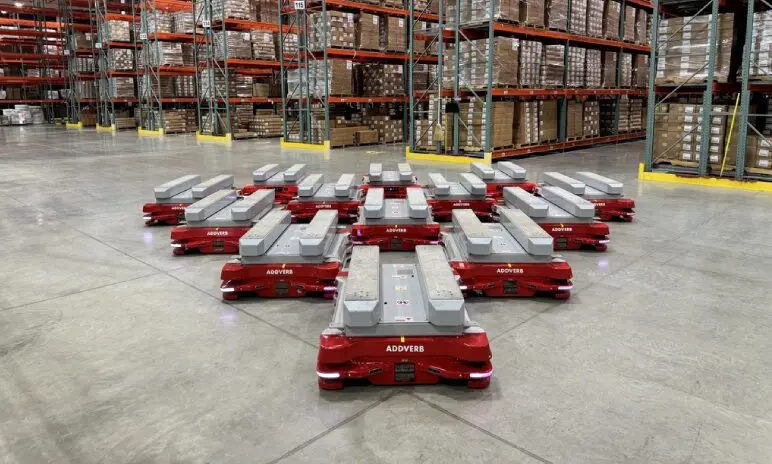
Plug-and-play scalability is provided by AMRs. Using fleet management systems, new AMRs can be quickly integrated into existing fleets with little setup and can coordinate and communicate with other robots.
In conclusion
Both the technologies are scalable without too much hassle. Although AMRs are the preferred option for companies anticipating expansion or varying throughput requirements due to their simplicity in scalability and modularity.
4.2 Process Variability and Material Flow
What it means
Material flow is the movement of goods through areas used for receiving, storing, picking, packing, and shipping. Important things to think about are:
Recurring patterns in load movement
Workflow modifications
Multiple touchpoints in material flow
Why it matters
Pre-established transport routes may be advantageous for facilities with consistent, repetitive workflows. On the other hand, situations involving varying material flow paths, dynamic processes, or a large number of SKUs call for real-time adaptable solutions.
Navigation Technology Selection Criteria
In contrast
AGVs
Ideal for operations with consistent workflows and fixed, repeatable routes. When material flow patterns do not change often, e.g. pallet transportation between fixed points, AGVs perform exceptionally well.
AMRs
Made for dynamic settings allowing for flexible workflows. To accommodate different material flow needs, such as JIT deliveries and multi-touchpoint procedures, AMRs can be reprogrammed or even self-optimised.
In conclusion
AMRs emerge victorious. They are perfect for highly variable operations because of their capacity to dynamically modify routes and workflows in response to shifting material flow patterns.
4.3 Timeline for Budget and ROI
What it means
This comprises the timeframe within which you anticipate a return on your investment, as well as the capital expenditure (CapEx) and operational expenditure (OpEx) needed to install and maintain the system.
Why it matters
Time of implementation
Costs of maintenance
Risk of downtime
Employee education
Licences for software
Industry-specific ROI expectations vary; for example, a 3PL with high volume might be able to justify a shorter ROI timeline than a niche manufacturer with a moderate throughput.
In contrast
AGVs
Being the older technology of the two, AGVs are usually more affordable than AMRs. Only If we add up the investments required in the additional infrastructure, AGVs would come close to its superior counterpart. These are more economical option of the two.
AMRs
Although the initial infrastructure investment for AMRs is usually lower than that of inferior AGVs, the technology itself is more expensive. AMRs' autonomous capabilities, efficiency gains and adaptability frequently results in a quicker return on investment, allowing companies to double their efficiency.
In conclusion
AGVs are the more economical option of the two, but AMRs' ROI is accelerated by their greater adaptability and efficiency gains.
For static settings, AGVs might still be more affordable but because AMRs are better robots than AGVs, they need a larger initial investment. Both robots move material, but AMRs return on investment is more than just a financial gain.
4.4 Facility Age and Infrastructure Readiness
What it means
Existing floor conditions, ceiling heights, rack configurations, IT systems, and power availability are all considered infrastructure.
Floor conditions
Ceiling heights
Rack configurations
IT Systems
Power availablity
Why it matters
For automation to work with older warehouses or brownfield facilities, additional infrastructure may need to be installed, which may involve hardware or physical route modifications. Greater integration potential can be achieved by designing greenfield facilities to support automation from the beginning.
In contrast
AGVs
Installing floor guides, markers, or navigation aids is one example of the substantial infrastructure investment required for AGVs. In order to install AGVs, older facilities frequently need to be retrofitted, which may cause operational disruptions.
AMRs
Solutions with minimal infrastructure that take advantage of current warehouse conditions. They can function in brownfield facilities with little alteration and make use of onboard navigation systems. Perfect for establishments that can't afford extended periods of infrastructural maintenance.
In conclusion
AMRs take an edge here. They are a better fit for both new and existing warehouses due to their adaptability and low infrastructure requirements.
4.5 Degree of Collaborative Environment
What it means
Automation decisions are influenced by a number of factors, including labour availability, labour costs, and the safety implications of human-machine interaction. Important sub-factors:
Does manual material handling play a significant role in your operation?
Is there a labour shortage or a high rate of employee turnover?
Why it matters
Automation can provide consistency and relief in high-churn or labour-constrained settings. Safety becomes crucial in communal areas, particularly when humans and robots share a floor.
In contrast
AGVs
Provides safety advantages in remote areas with little human contact. However, they are less appropriate for settings where humans and robots must live side by side due to their fixed paths and restricted obstacle avoidance capabilities.
AMRs
Made especially for group settings. AMRs can safely work alongside human workers thanks to sophisticated obstacle detection and avoidance features, improving ergonomics and lowering safety hazards in shared areas.
In conclusion
AMRs prove to be a better fit. They have a clear edge in mixed work environments thanks to their sophisticated safety features and human-robot collaboration capabilities.
Addverb Case Studies: AMRs and AGVs
AMRs, AGVs, Robotic Sorters, and ASRS Shuttle Systems are just a few of the robotic solutions that Addverb Technologies has implemented in a variety of industries. The thorough case studies that follow demonstrate how our products address actual operational problems.
5.1 AMRs to Collaborate with Workers
Robots Deployed - Dynamo (Autonomous Mobile Robots)
Problem Statement
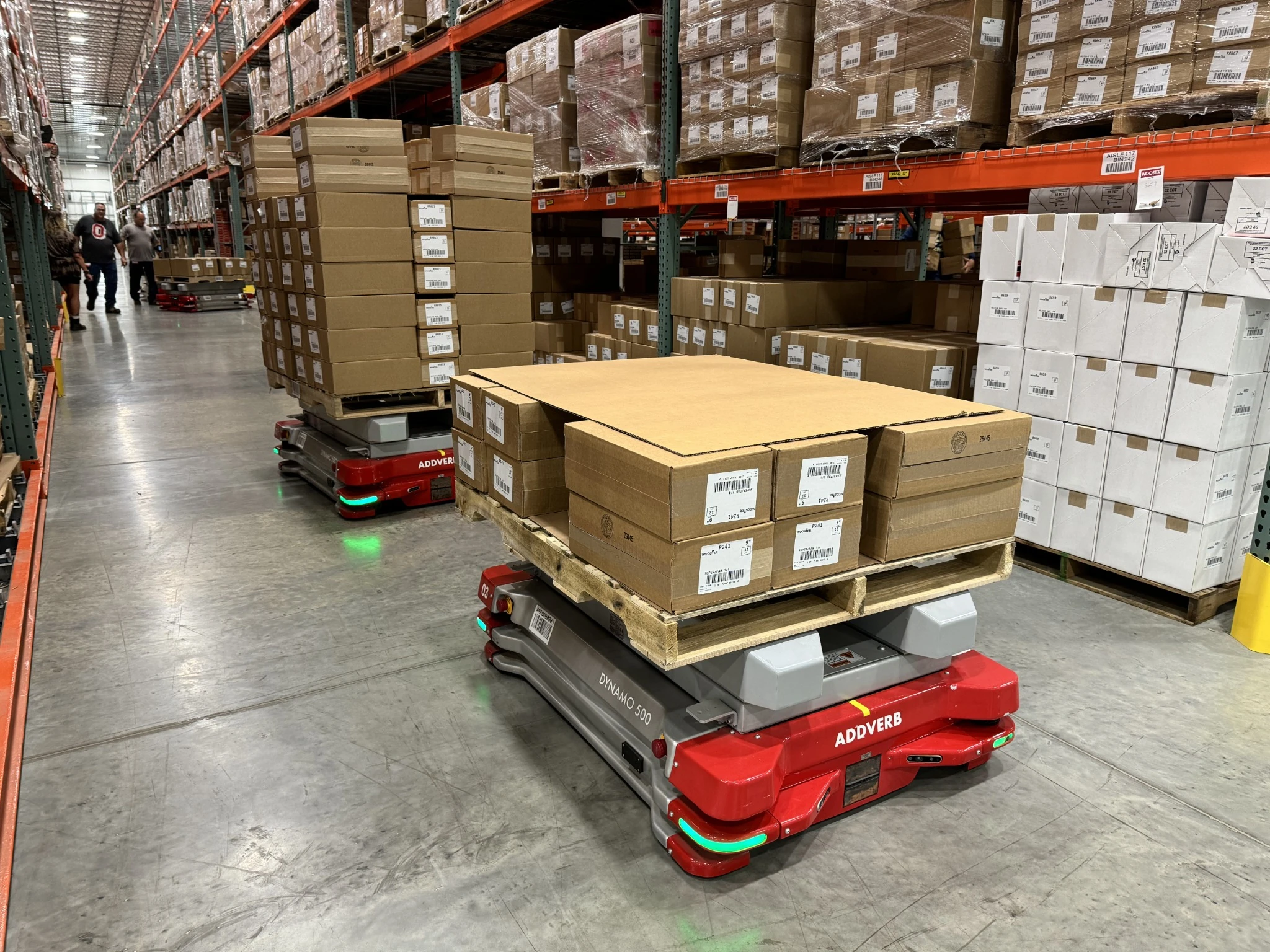
A brush company in Ohio ran into serious problems with their manual procedures. Wooster sought to increase overall efficiency and modernise its distribution procedures in order to meet the increasing demand and guarantee quicker material movement.
Solution
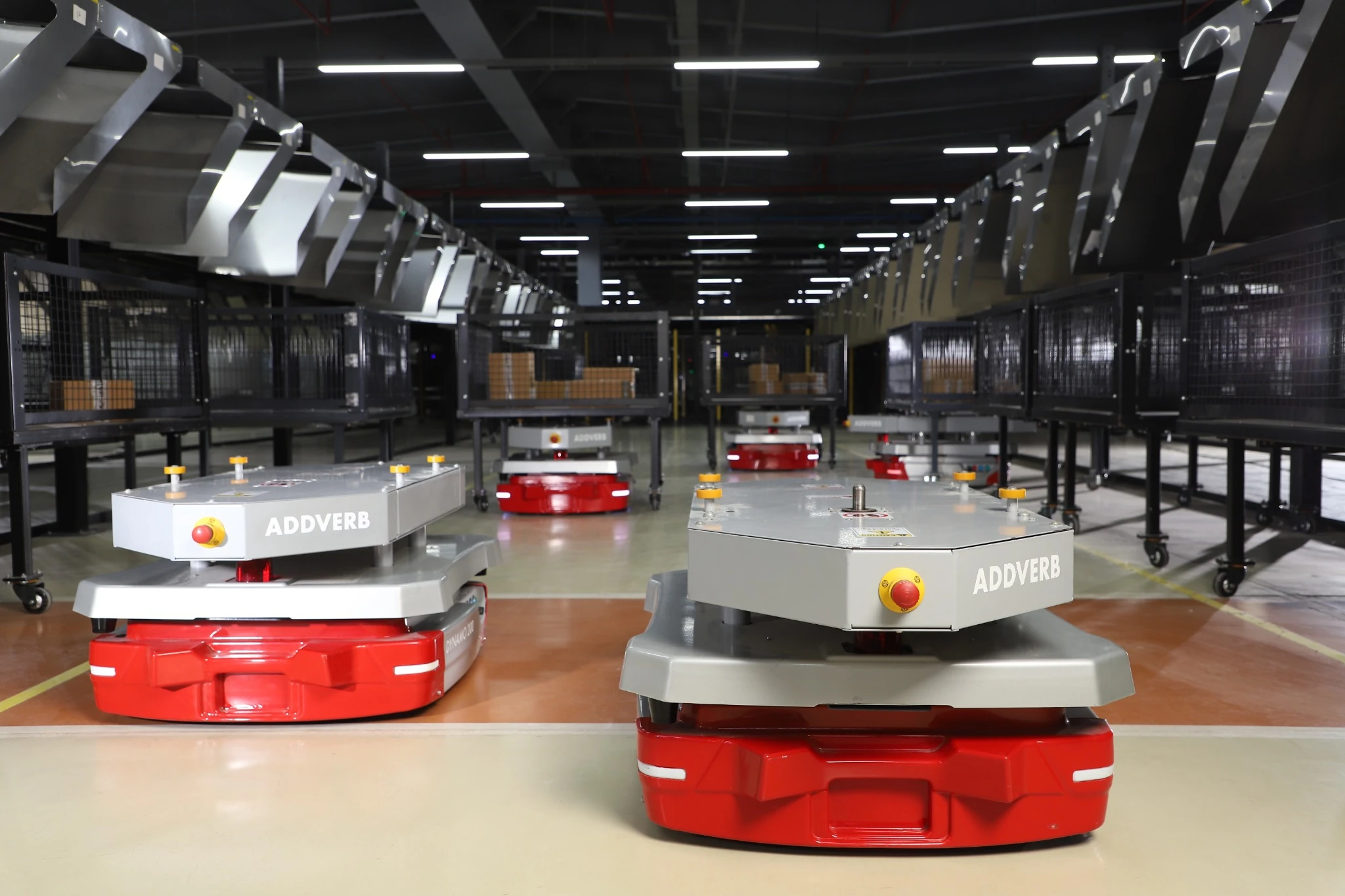
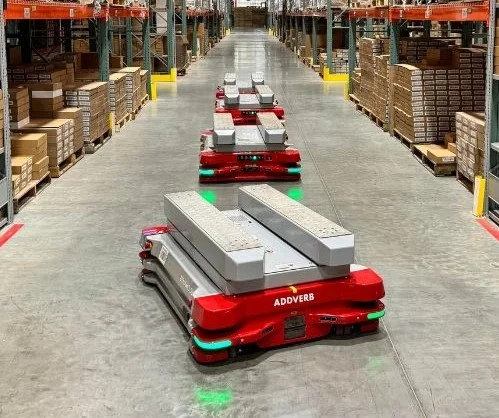
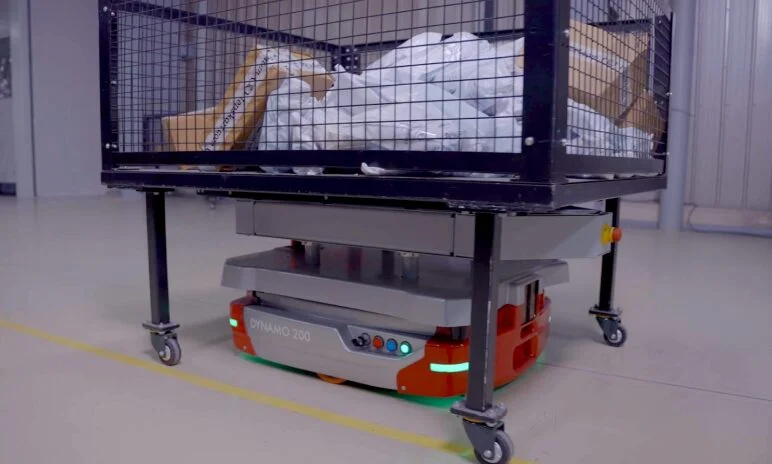
Addverb deployed thirteen of its Dynamo AMRs. In order to efficiently place products directly on the pallets, the AMRs helped pickers navigate the aisles. Returns and dispensing process was also streamlined by fully automated pallet stackers and de-stackers.
Impact
01
Reached a daily throughput of more than 100 order pallets.
02
Compared to manual operations, the operating capacity was doubled.
03
15,000 cases a day were successfully dispatched using AMRs.
4.2 Automating Operations in a 30,650 sq mtr. Warehouse
Robots Deployed
Zippy (AGV)Veloce (AGV)Dynamo (AMR)
Problem Statement
One of the world’s top sports brands required a cutting-edge warehouse automation system to oversee its omnichannel fulfilment business in Australia - efficiently handle returns, manage a high dispatch volume, and oversee a large number of SKUs.
Solution
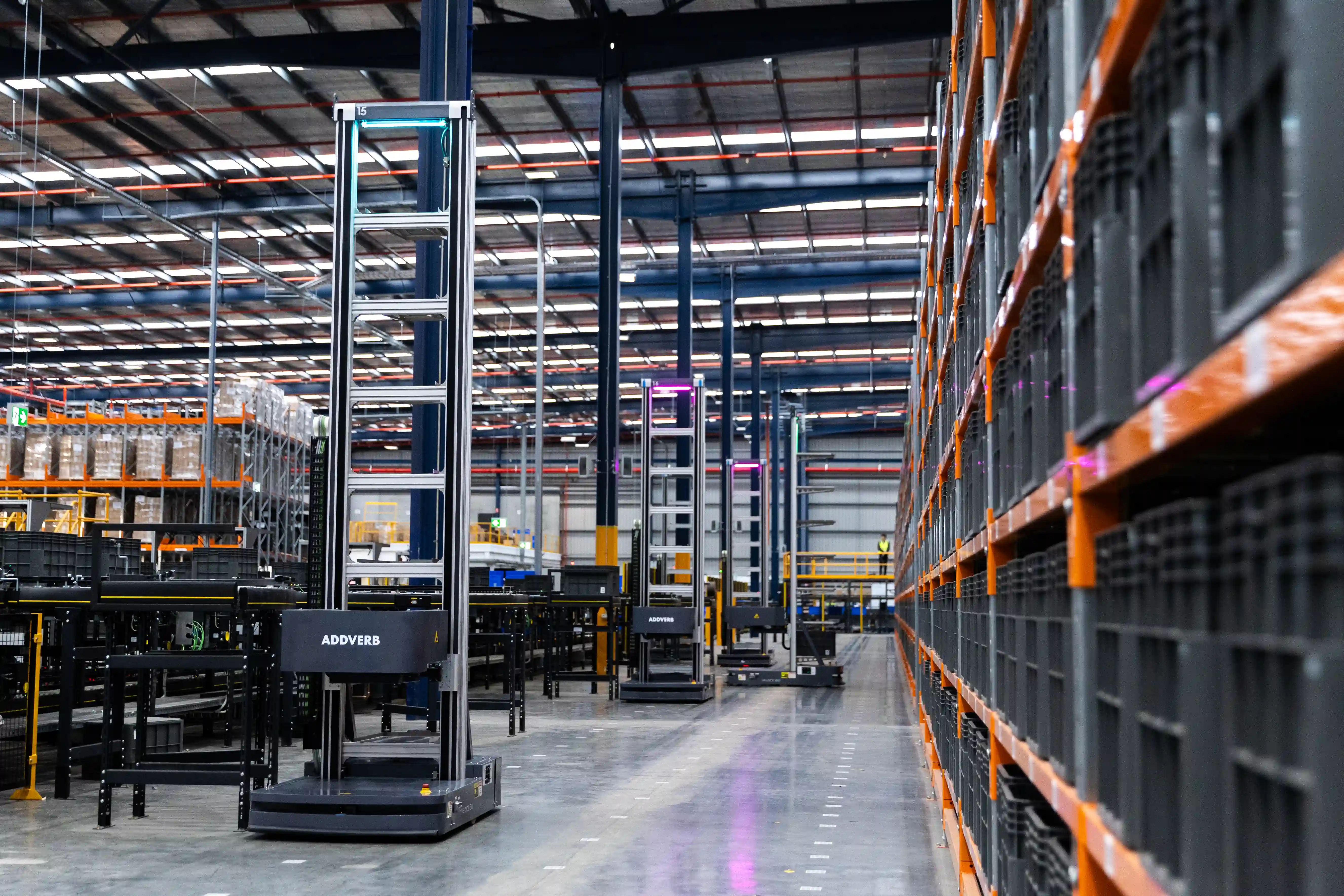
The robotic solution included sorting robots (AGVs) for 300 bin locations, Autonomous Mobile Robots (AMRs) for material movement in the warehouse, and Multi-Carton Robots (AGVs) system for expediting returns.
Impact
01
3,600 pieces are sorted per hour to 300 bin locations.
02
100,000 pieces are successfully dispatched to 2,500 distribution nodes, daily.
03
Achieved an outbound throughput of 420 cartons per hour per robot.
4.3 Asia’s Largest Eyewear Brand’s Omnichannel Fulfilment
Robots Deployed
Zippy (AGV)Dynamo (AMR)Sortie (AGV)
Problem Statement
Asia’s largest eyewear brand planned to increase production to meet the rapidly expanding demand. They needed an automation system that could combine production, warehousing, and distribution in order to meet their specific omnichannel fulfilment.
Solution
For orders placed in physical stores, SortIE, our vertical sorting robot, was used. A fleet of table-top robotic sorters, Zippy, was used to classify direct-to-consumer orders into chutes. To make sure the chutes are processed to the outbound area, Dynamo AMRs were deployed.
Impact
01
Order consolidation time was reduced from 2 days to 2.5 hours per order.
02
99.99% fulfilment accuracy was attained.
03
The ability to grow and serve up to 3,50,00,000 people in the future.
Conclusion: Outlining the Future of Automation in Warehouses
Automation in warehouses is at a turning point. Global supply chains are changing as a result of the shift from manual procedures to sophisticated robotics, from conventional Automated Guided Vehicles (AGVs) to adaptable Autonomous Mobile Robots (AMRs). Operational complexity, material flow variability, warehouse infrastructure, and long-term scalability objectives are some of the factors that influence the decision between AGVs and AMRs, as this whitepaper has examined.
AGVs continue to provide reliable performance for repetitive, structured tasks in controlled environments. AMRs, on the other hand, are spearheading the next wave of innovation because they provide the flexibility, intelligence, and dynamic routing that are necessary for the quick-paced omnichannel and e-commerce operations of today. In an effort to strike a balance between accuracy and adaptability, companies are increasingly adopting hybrid models that combine AGVs, AMRs, and other automated systems.
The real-world case studies show how robotics is no longer a new trend but rather a tried-and-tested solution that produces quantifiable results, such as increased resilience in supply chain operations, lower costs, increased throughput, and improved accuracy.
Definitions and Key terms
AMRs and AGVs
Autonomous Mobile Robots (AMRs) and Automated Guided Vehicles (AGVs) perform similar tasks. That is, they are capable of moving materials through industrial facilities. However, there are considerable differences between the two. Before we dive into the minute details, let's get ourselves familiar with the definitions and some key technical terms used throughout this whitepaper.
AMR: Autonomous Mobile RobotsAGV: Automated Guided Vehicles
Definitions
Automated Guided Vehicles (AGVs)
AGVs are industrial vehicles capable of performing material handling tasks with pre-programmed movement. They operate along fixed routes using external guidance systems like QR code markers, magnetic tape, wires, or predefined tracks.
Autonomous Mobile Robots (AMRs)
AMRs are self-navigating robots used for transporting materials in industrial and warehouse environments. They rely on onboard sensors, cameras, and software to move freely, detect obstacles, and plan paths without fixed infrastructure.
Key Technical Terms
Term
Meaning
LiDAR (Light Detection and Ranging)
A sensing technology that uses laser beams to measure distances and create detailed 3D maps of the environment, essential for obstacle detection and navigation.
SLAM (Simultaneous Localisation and Mapping)
An algorithmic process that allows a robot to build a map of an unknown environment while keeping track of its own location within it in real time.
QR Code Navigation
A method where robots use floor-placed QR codes to determine their position and make directional decisions, often used in AGVs for precise indoor navigation.
Obstacle Avoidance
The robot's ability to detect and manoeuvre around unexpected objects or people in real time, crucial for safe operation in shared human-robot environments.
Path Planning
The process by which a robot calculates the most efficient route from its starting point to its destination, factoring in real-time changes or obstacles.
Fleet Management System (FMS)
A software platform that coordinates and monitors multiple robots, ensuring efficient task allocation, traffic control, and performance analytics.