







Frequently Asked Questions
-
What is a rail guided vehicle (RGV)?
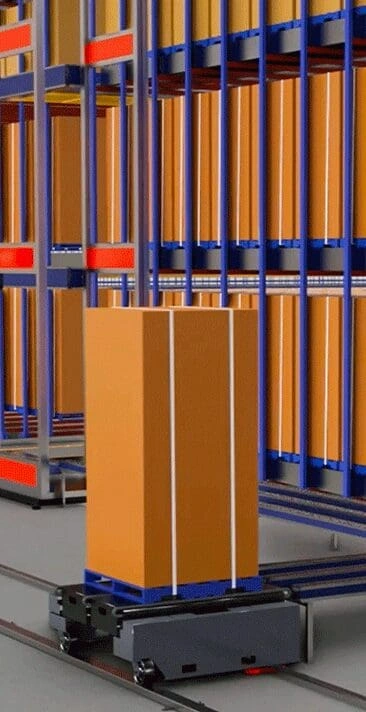
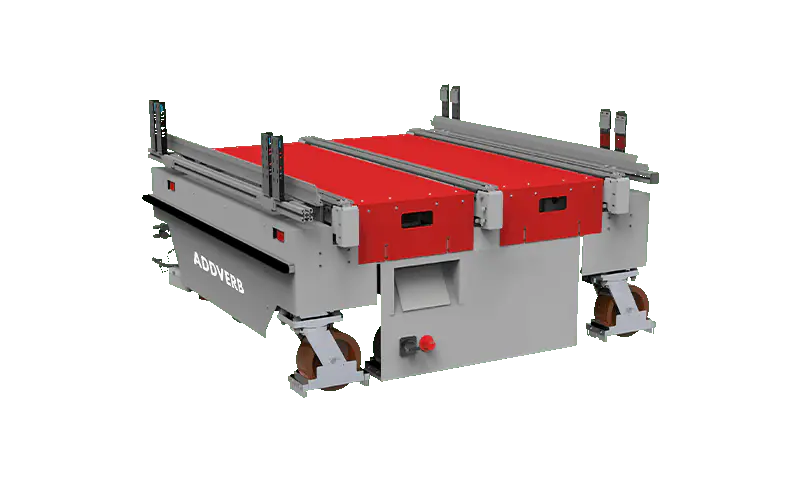
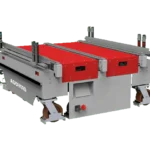
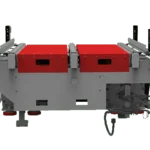
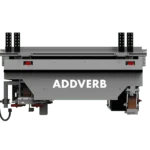
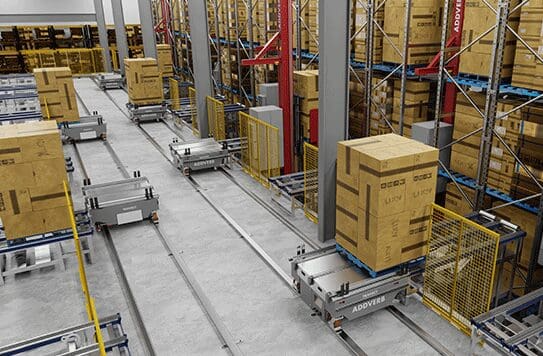
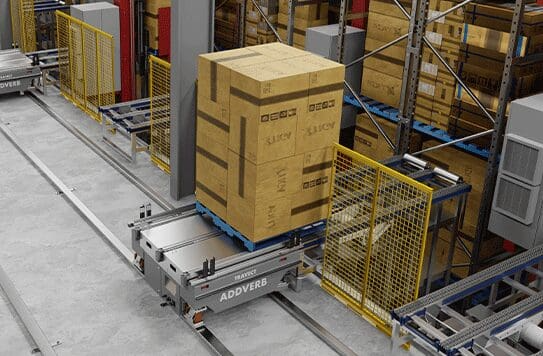
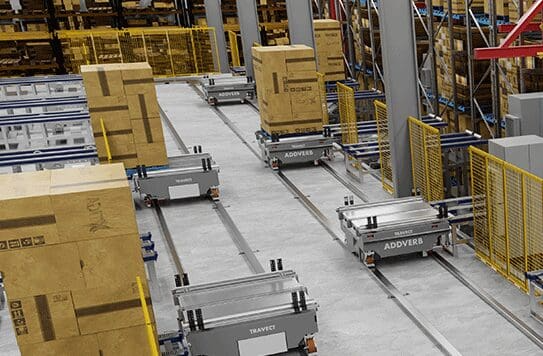
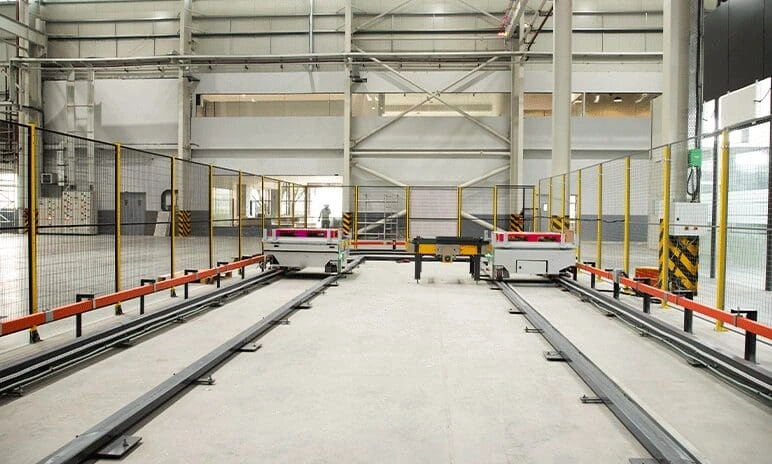
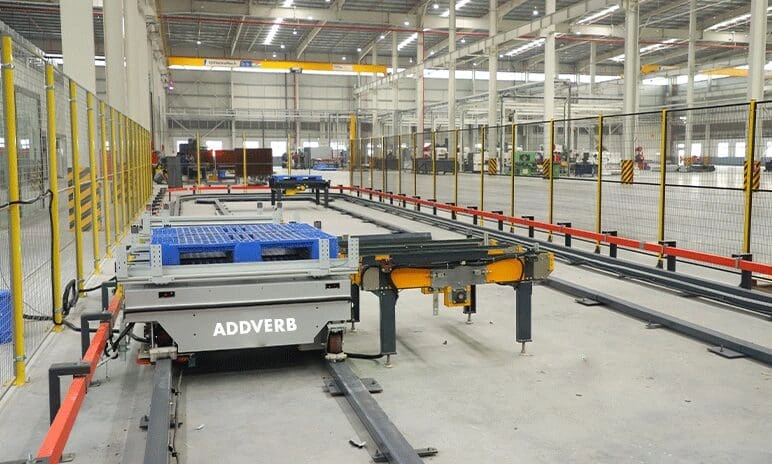
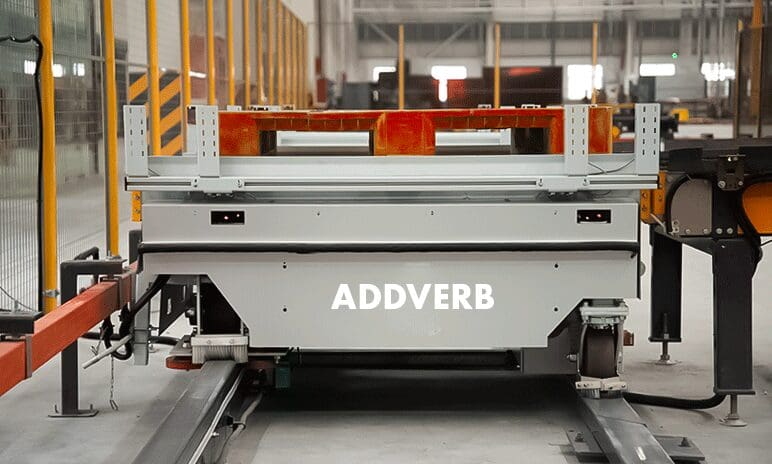
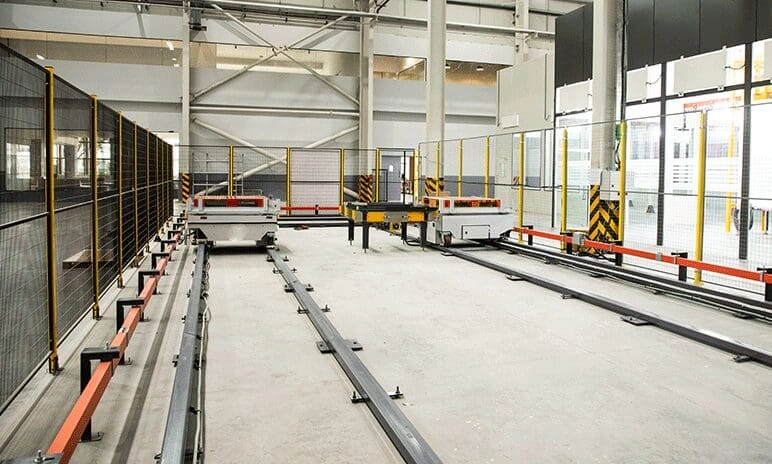
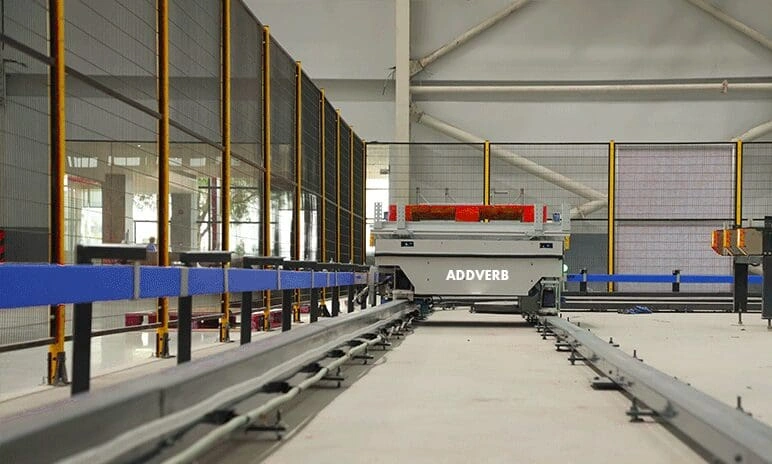
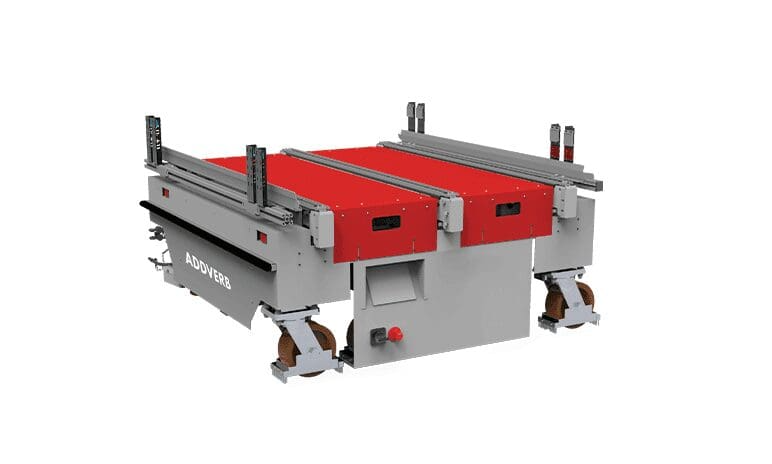
A rail guided vehicle (RGV) is an automated cart that runs on rails fixed to the floor, picking up pallets from one conveyor or station and delivering them to another along a set route. Addverb's Travect runs on a twin-rail loop, carries pallets up to 1,500 kg at up to 3 m/s and transfers loads directly to and from conveyors. Several RGVs can share one loop. -
What is the difference between an RGV and an AGV?
An RGV runs on fixed floor rails, which gives fast, highly predictable movement on a set route, while an AGV or AMR travels freely using floor guides or onboard navigation, which gives more routing flexibility but lower speed. Choose Addverb's Travect for repetitive, high-throughput pallet moves between fixed points. Choose an autonomous mobile robot or autonomous forklift when routes change or must share open floor. -
Is a rail guided vehicle better than a pallet conveyor?
A rail guided vehicle is often more economical than a pallet conveyor for linking several distant points, because one track loop and a few vehicles replace long runs of fixed conveyor and complex transfer junctions. Addverb's Travect moves pallets at up to 3 m/s, far faster than a typical pallet conveyor. Conveyors still suit short, continuous flows and buffering between machines. -
What are the specifications of the Travect rail guided vehicle?
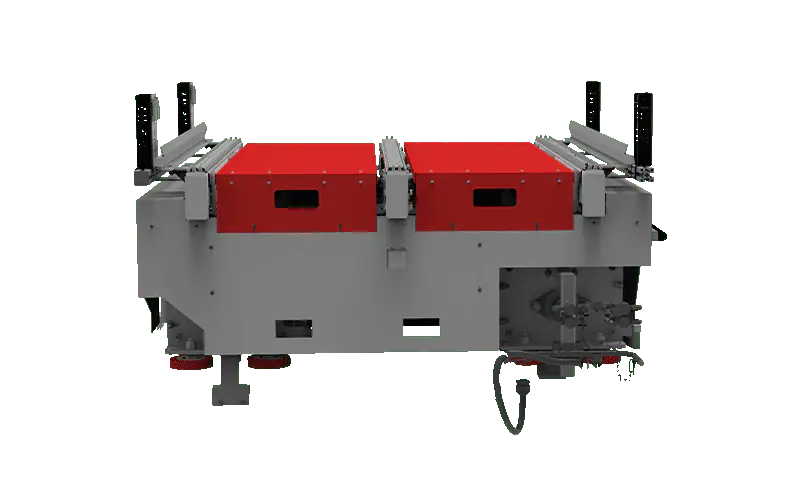
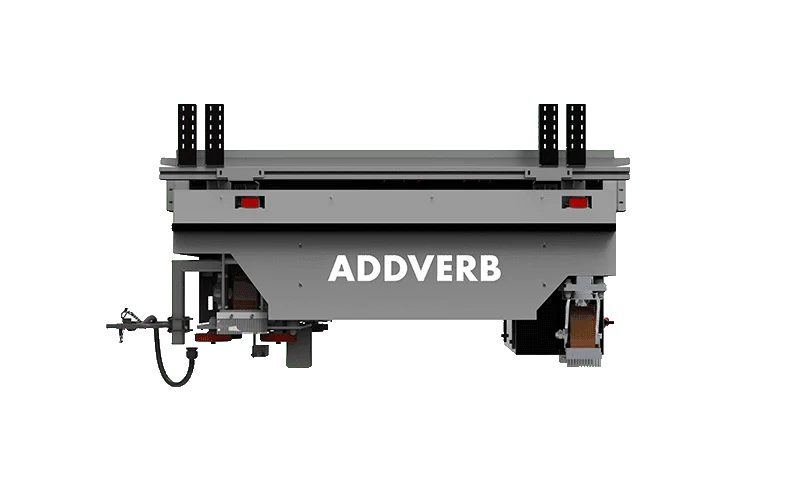
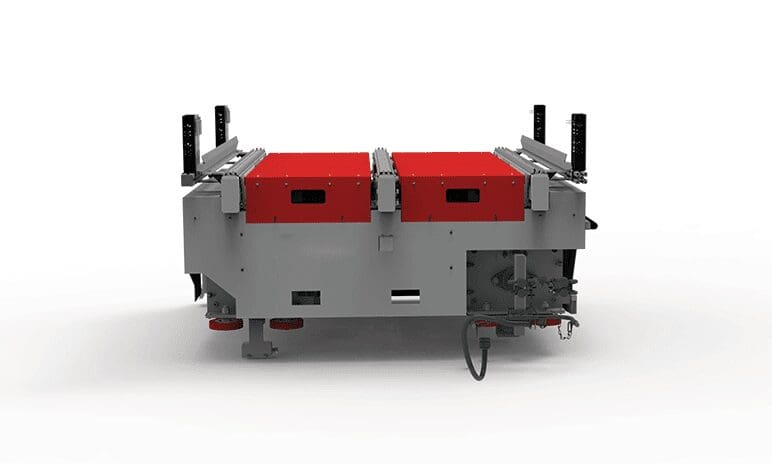
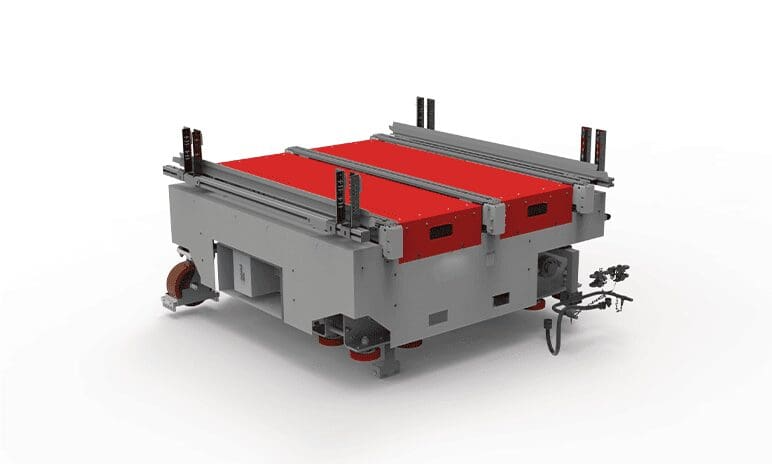
Addverb's Travect rail guided vehicle carries pallets up to 1,500 kg, travels at up to 3 m/s with 0.5 m/s² acceleration and runs on a track 850 mm wide. The vehicle weighs 500 kg, uses a 220 V single-phase AC supply and operates from +5 °C to +45 °C. Its fixed path keeps movement predictable, which lowers collision risk and operating cost. -
When is a rail guided vehicle not the right choice?
A rail guided vehicle is a poor fit when routes change often or loads must reach many unplanned locations, because it can only travel where rails are installed. Floor rails also need a dedicated path that people and forklifts must cross carefully. Travect operates from +5 °C to +45 °C, so freezers need another solution. For flexible routing, an autonomous mobile robot or autonomous forklift suits better.