Addverb Software Resources
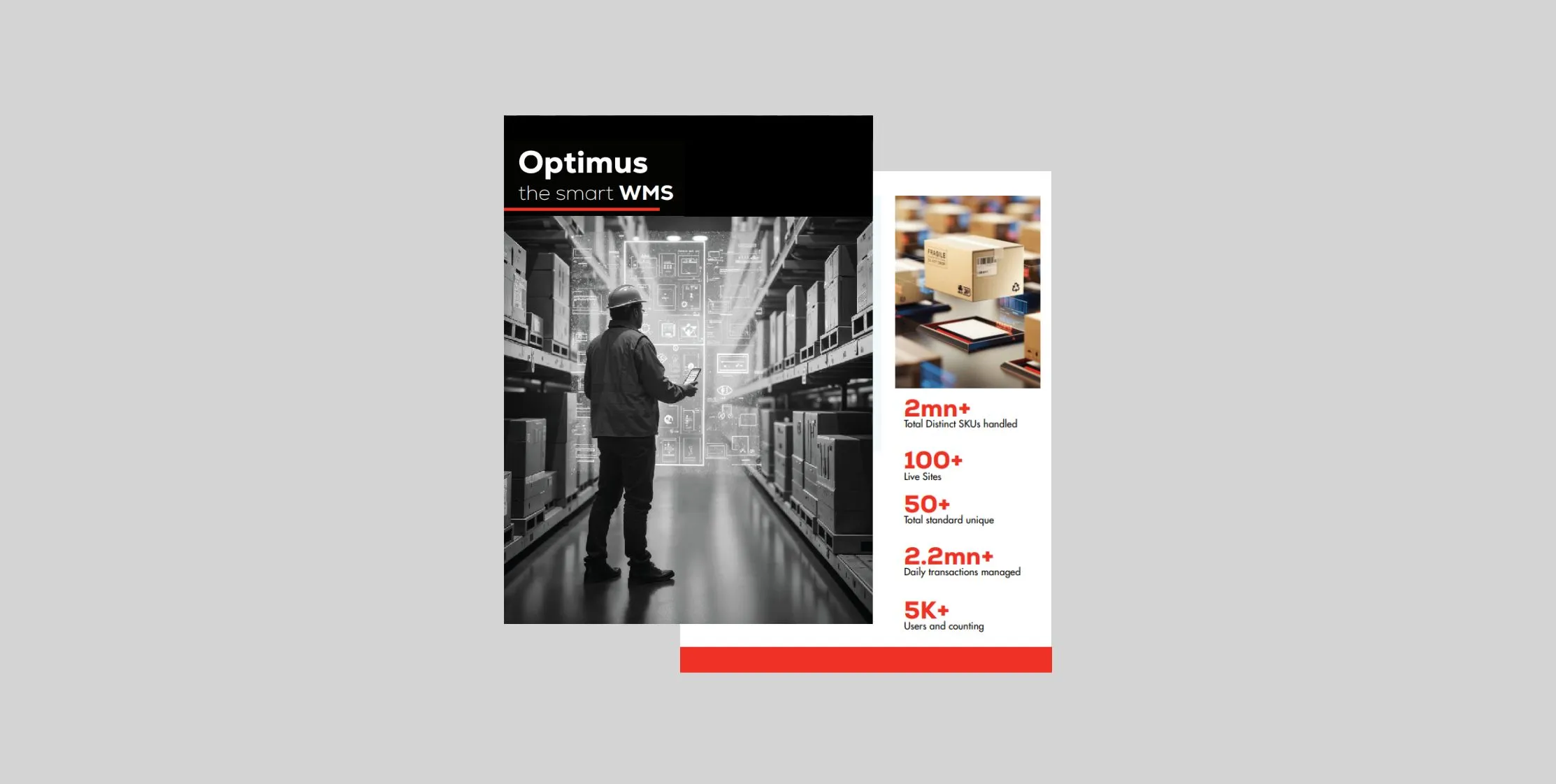
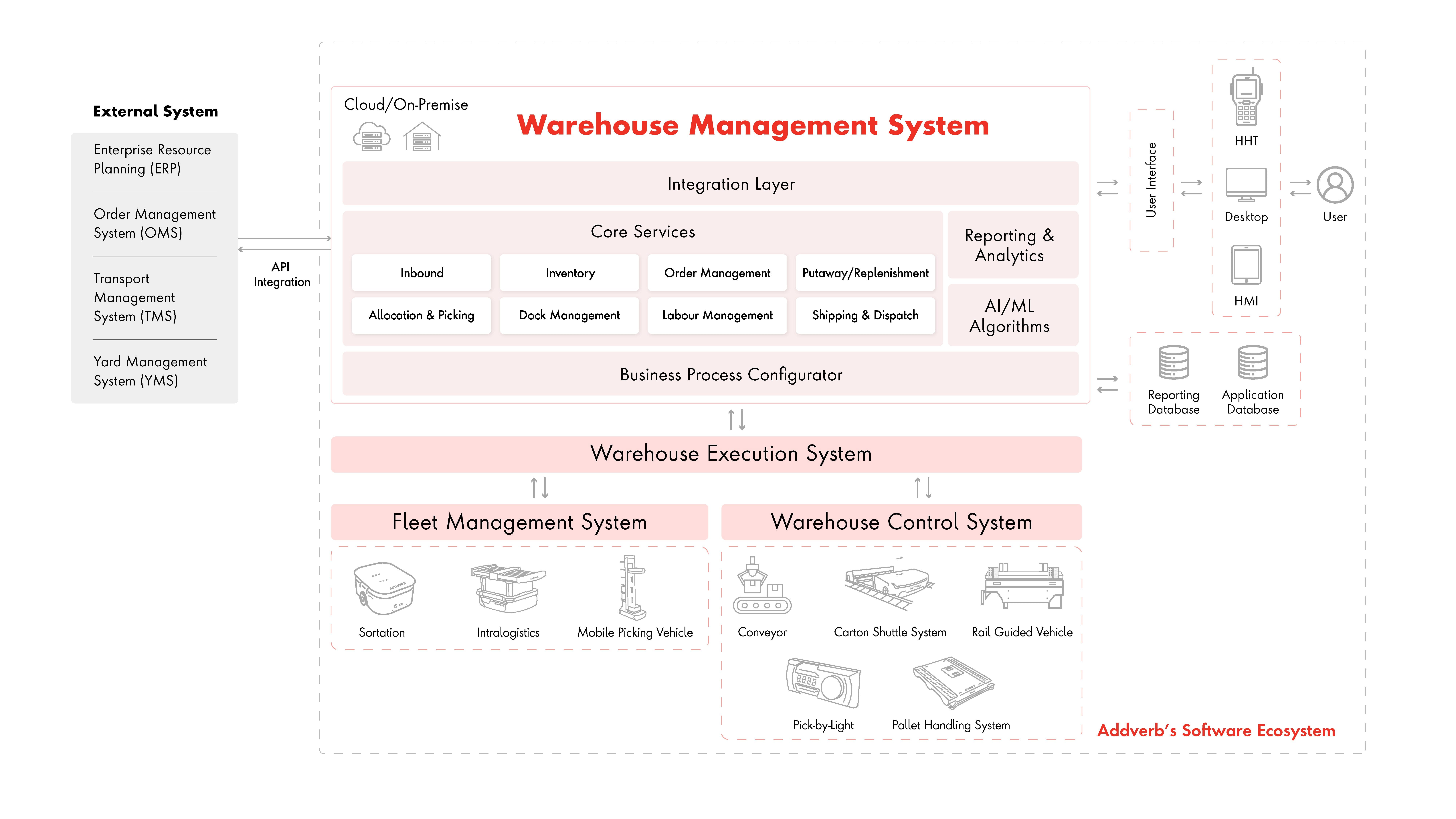
Warehouse Management system, Addverb's Optimus is a highly configurable WMS that employs cutting-edge practices to enhance the operational efficiency of your warehouses. By optimising resource utilisation and material flows, Optimus ensures streamlined operations and improved productivity. It effectively coordinates inbound and outbound logistics, enabling seamless flow of goods within the warehouse. With its robust inventory control capabilities, Optimus provides accurate and real-time visibility into stock levels, minimising stockouts and overstocks. The system efficiently manages resources and balances workload to maximise productivity. Moreover, Optimus is designed to be easily reconfigured to meet specific site requirements, ensuring adaptability and scalability. Optimus empowers warehouses with comprehensive control, agility, and visibility to drive operational excellence.
Optimus intelligently manages and optimizes the dock usage, considering factors such as shipment types, order priorities, available resources, and dock capacities.
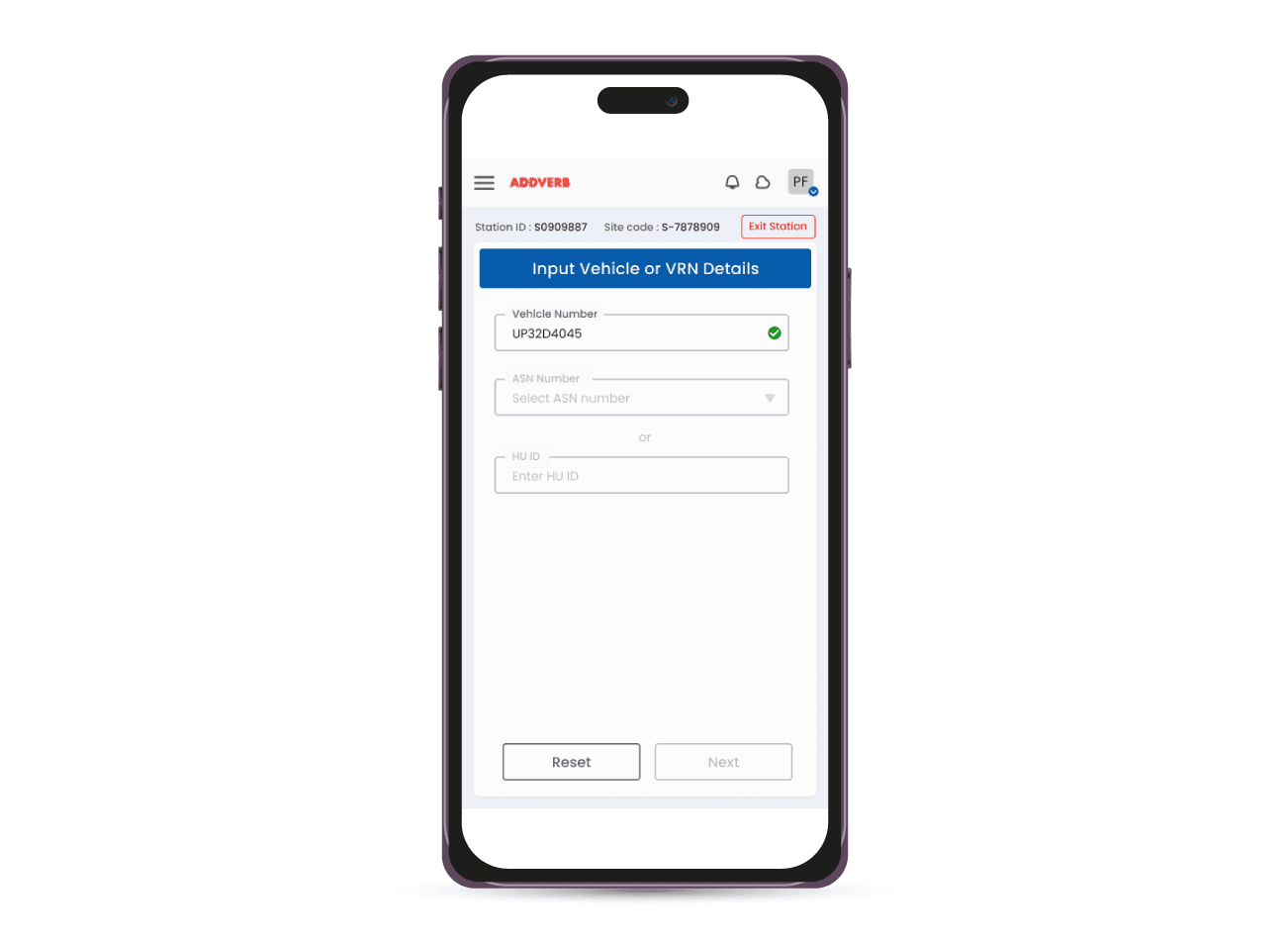
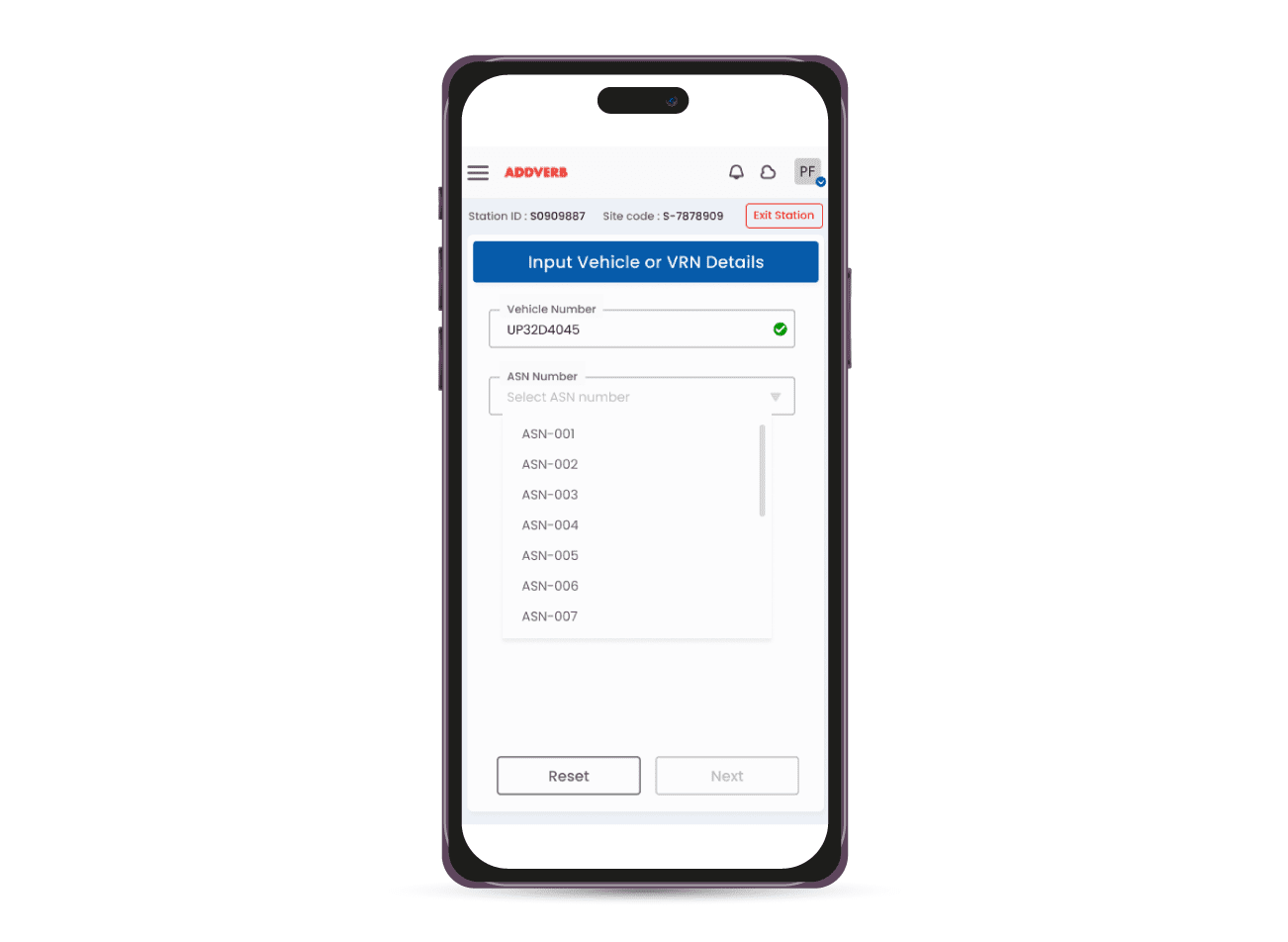
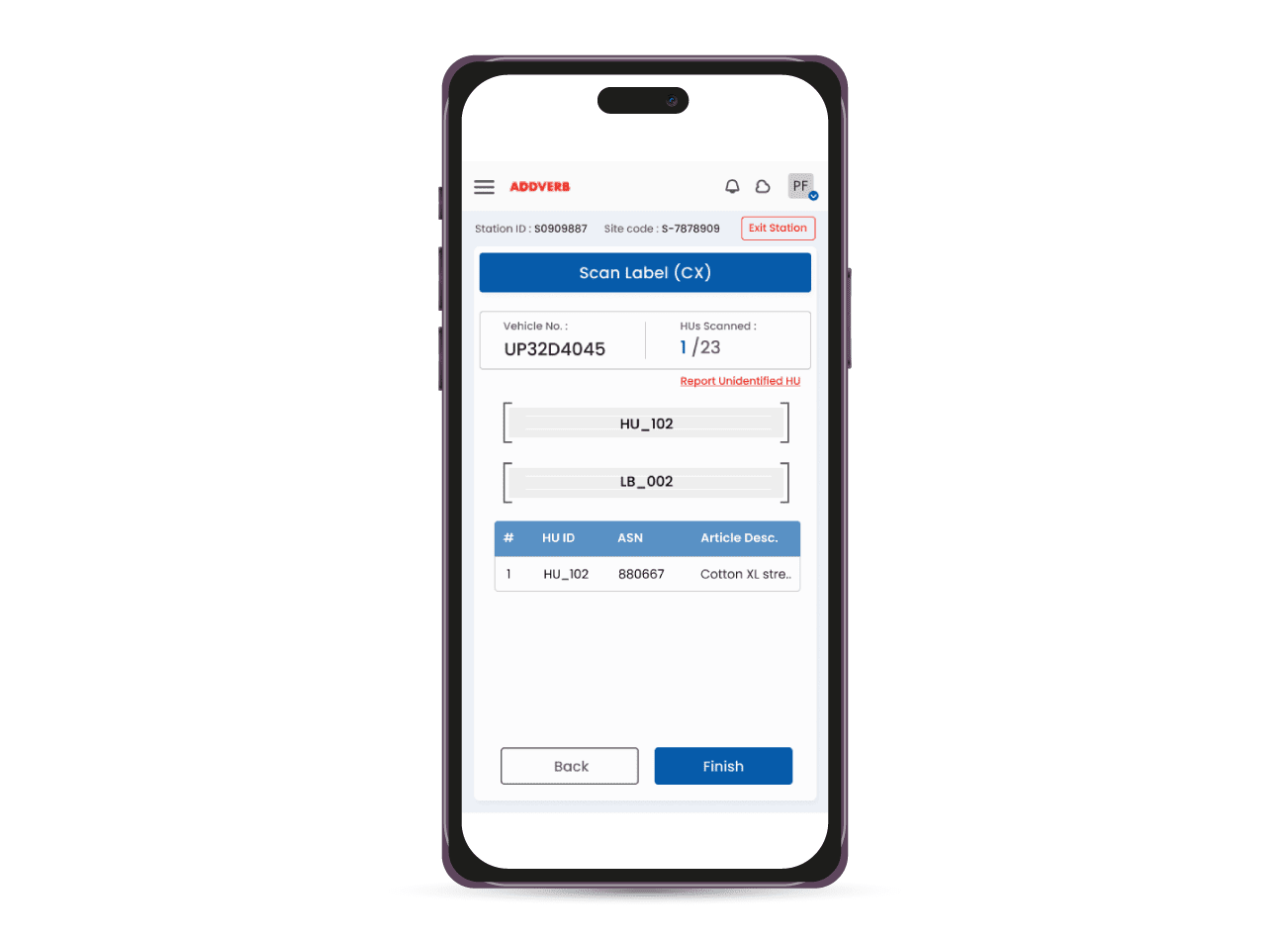
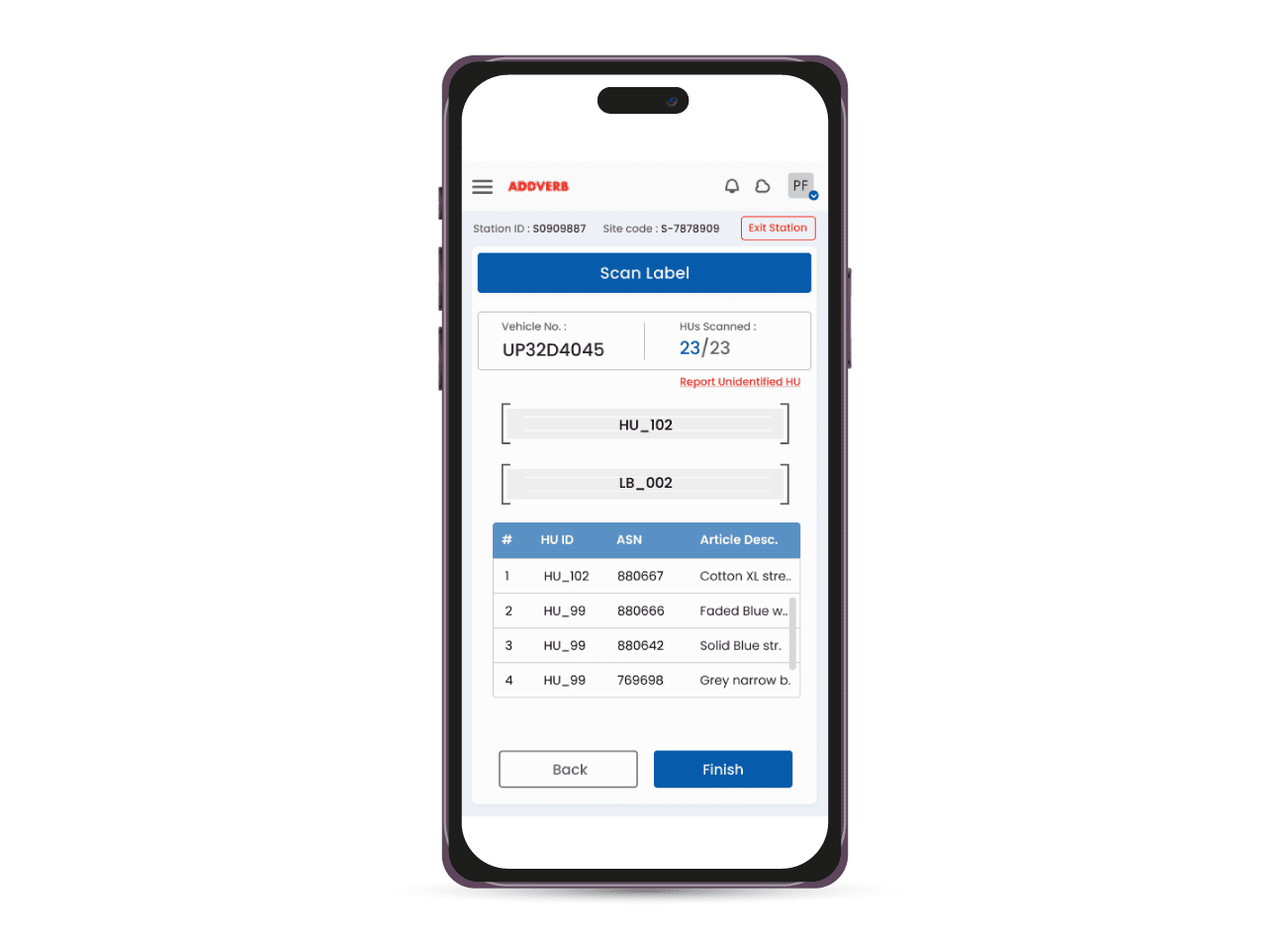
Optimus efficiently receives shipments, captures data, generates receipts, updates inventory, and automates quality inspections for streamlined operations.
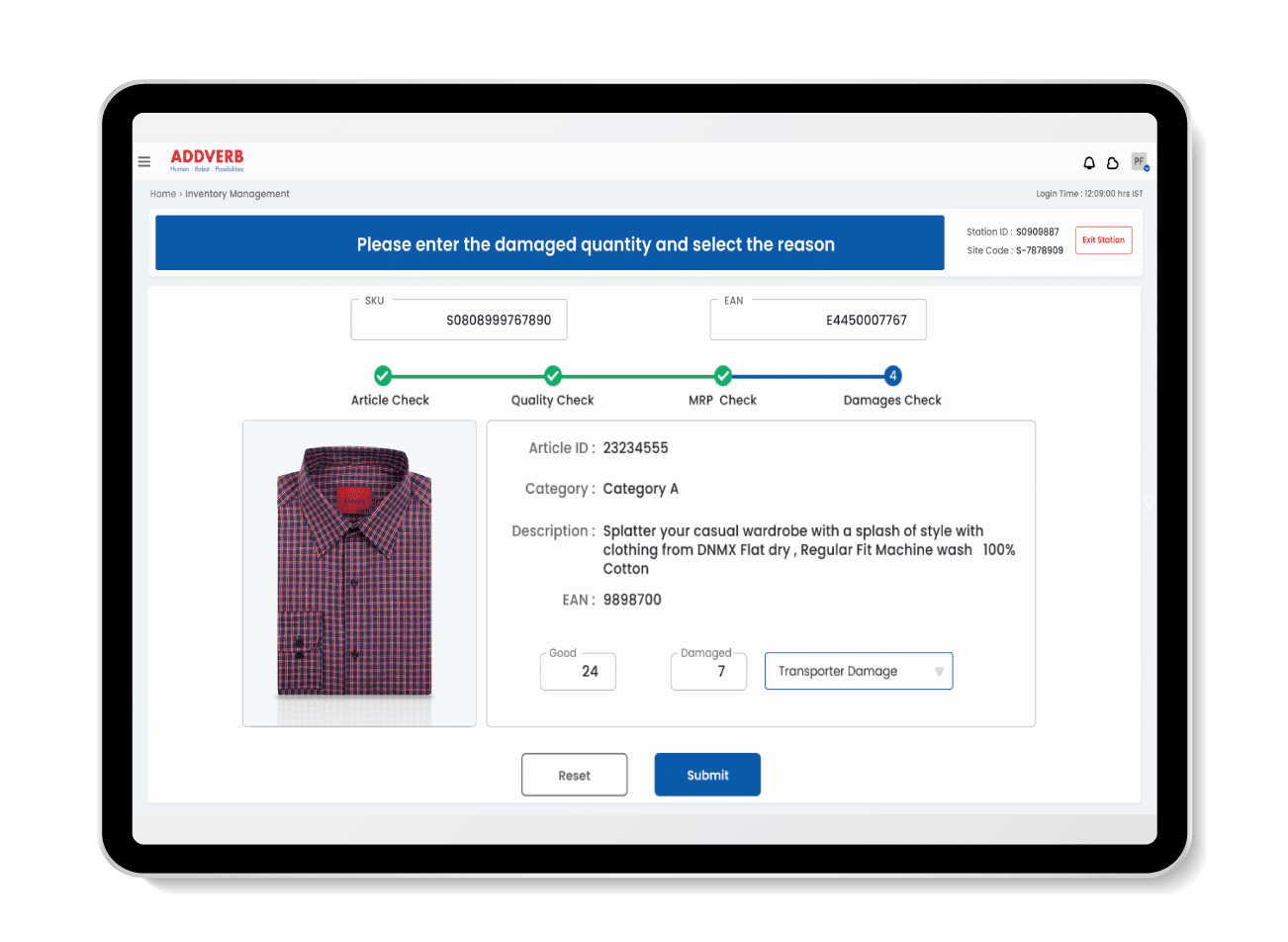
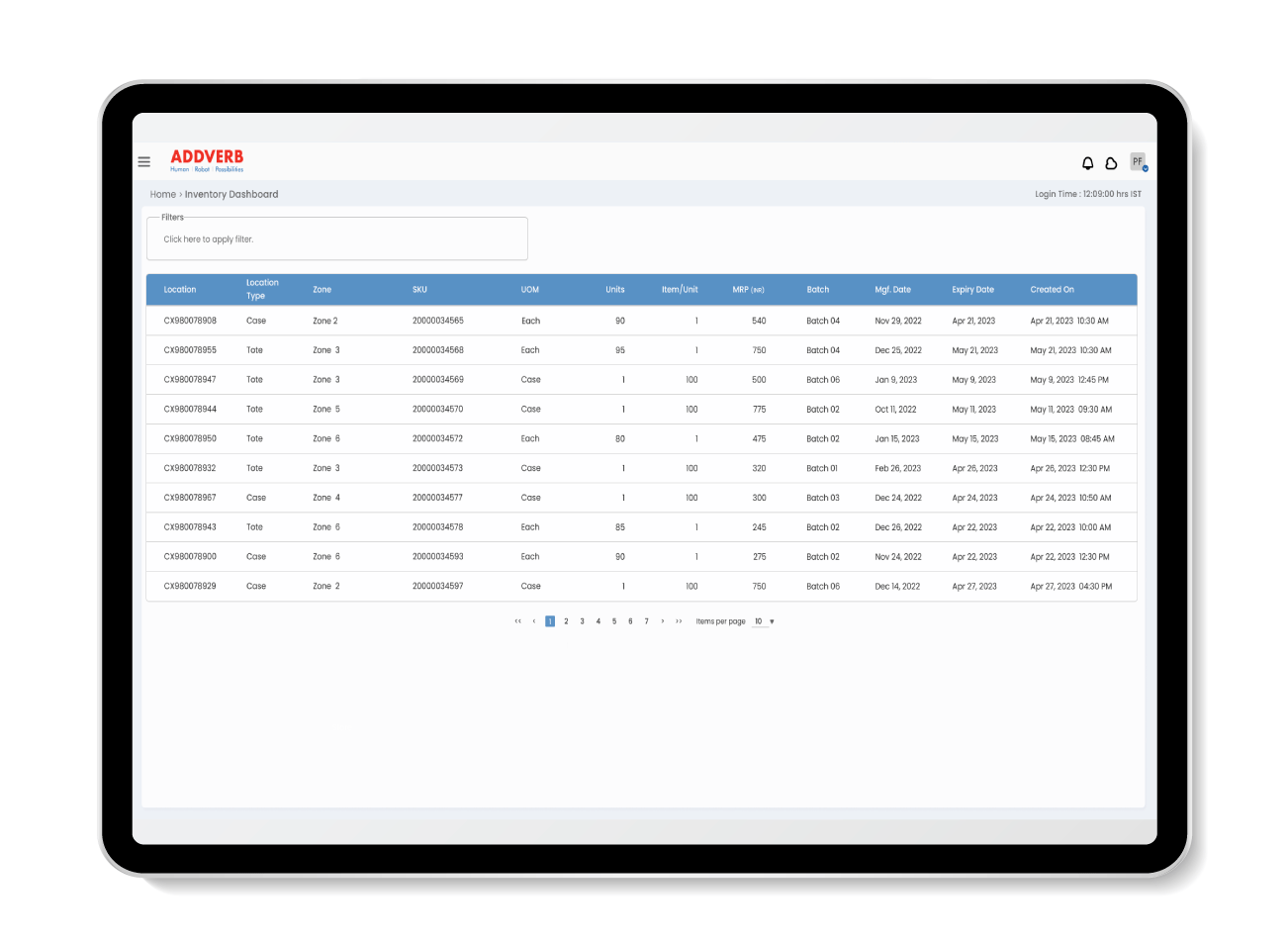
Optimus tracks inventory levels, locations, and movements in real-time, ensuring accurate stock visibility to facilitate inventory replenishment, cycle counting, and stock allocation.
Optimus receives and validates orders, allocates inventory, and tracks order status in real-time, from picking to packing to shipping, ensuring accurate and timely order fulfilment.
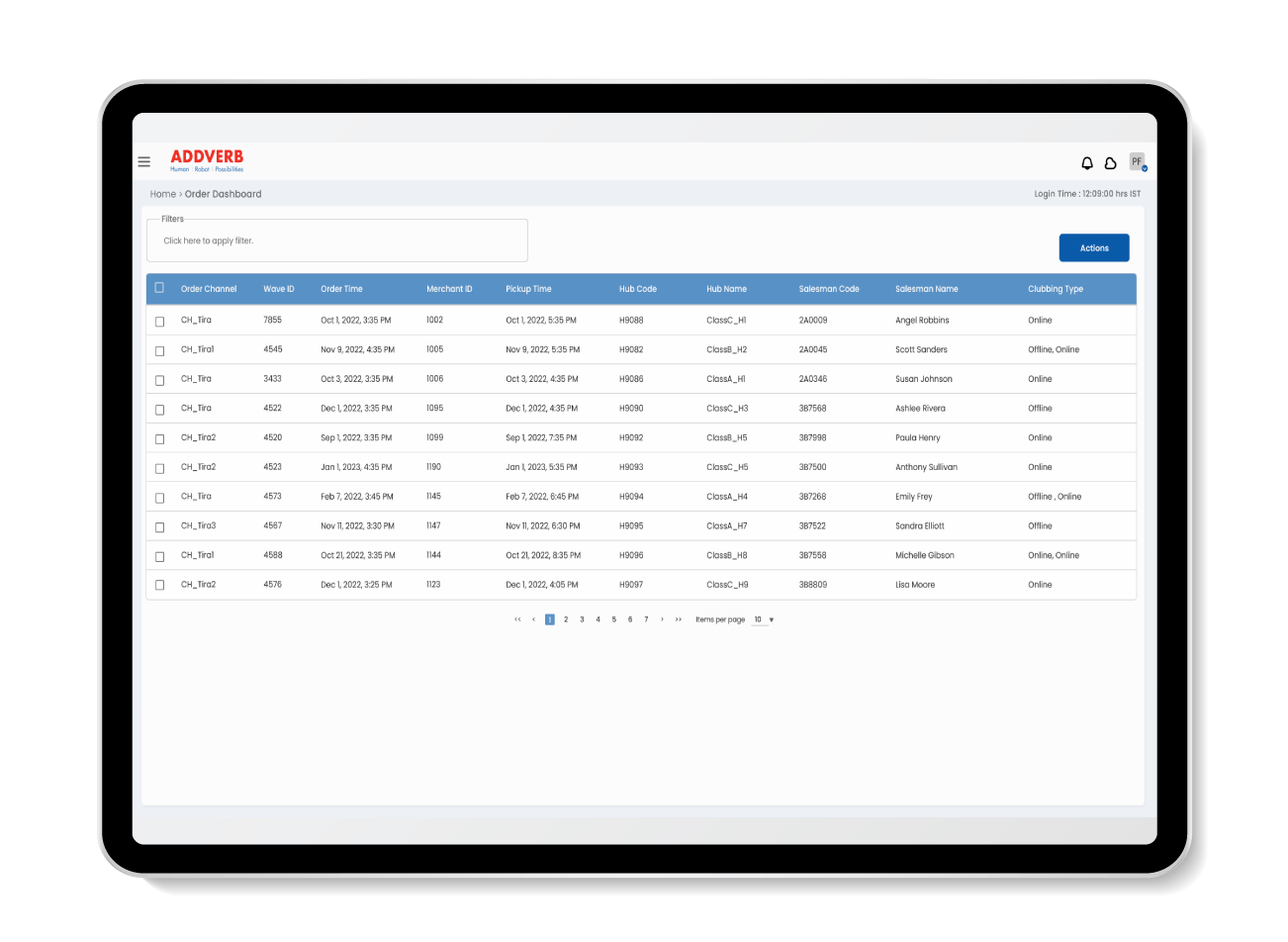
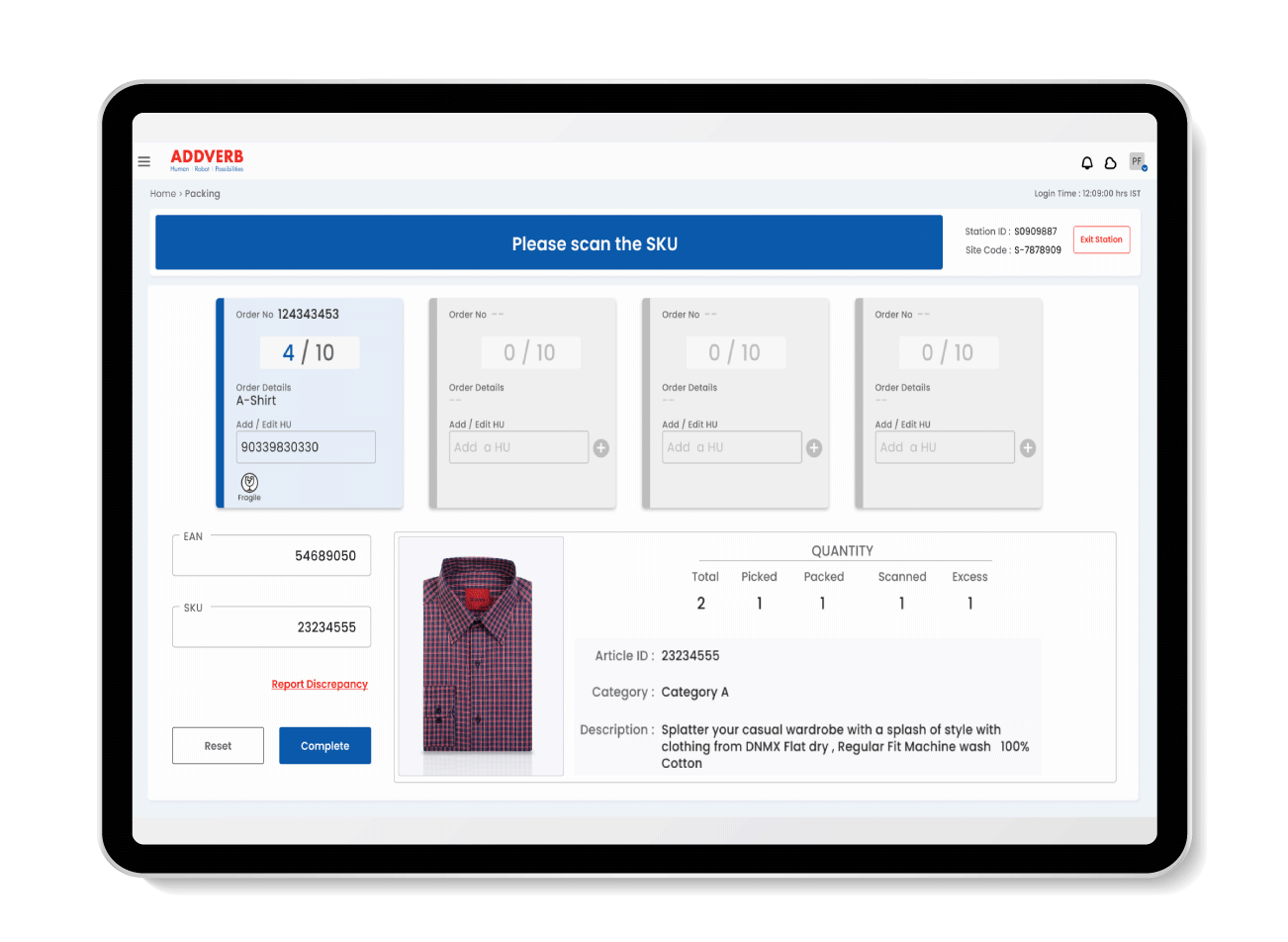
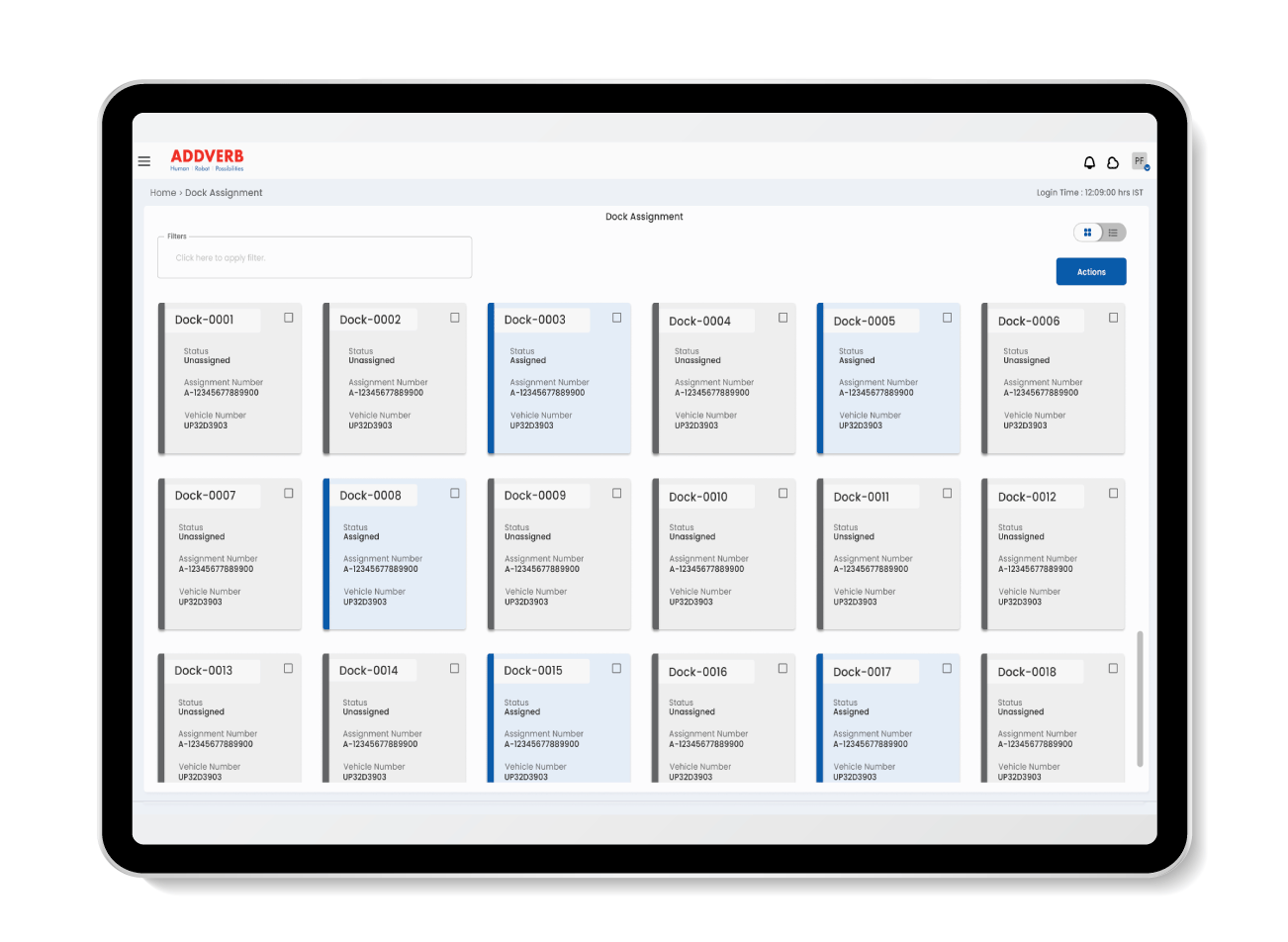
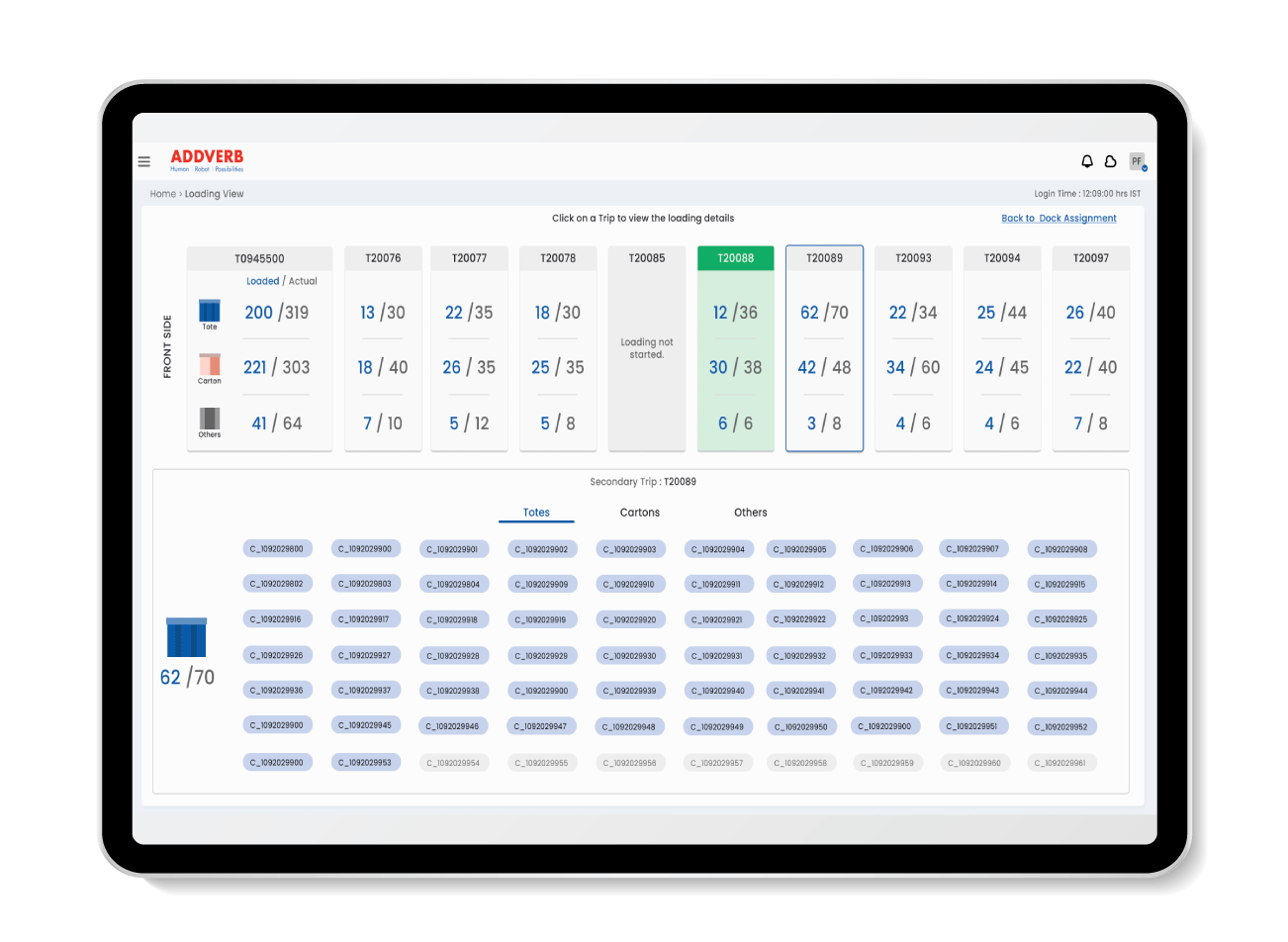
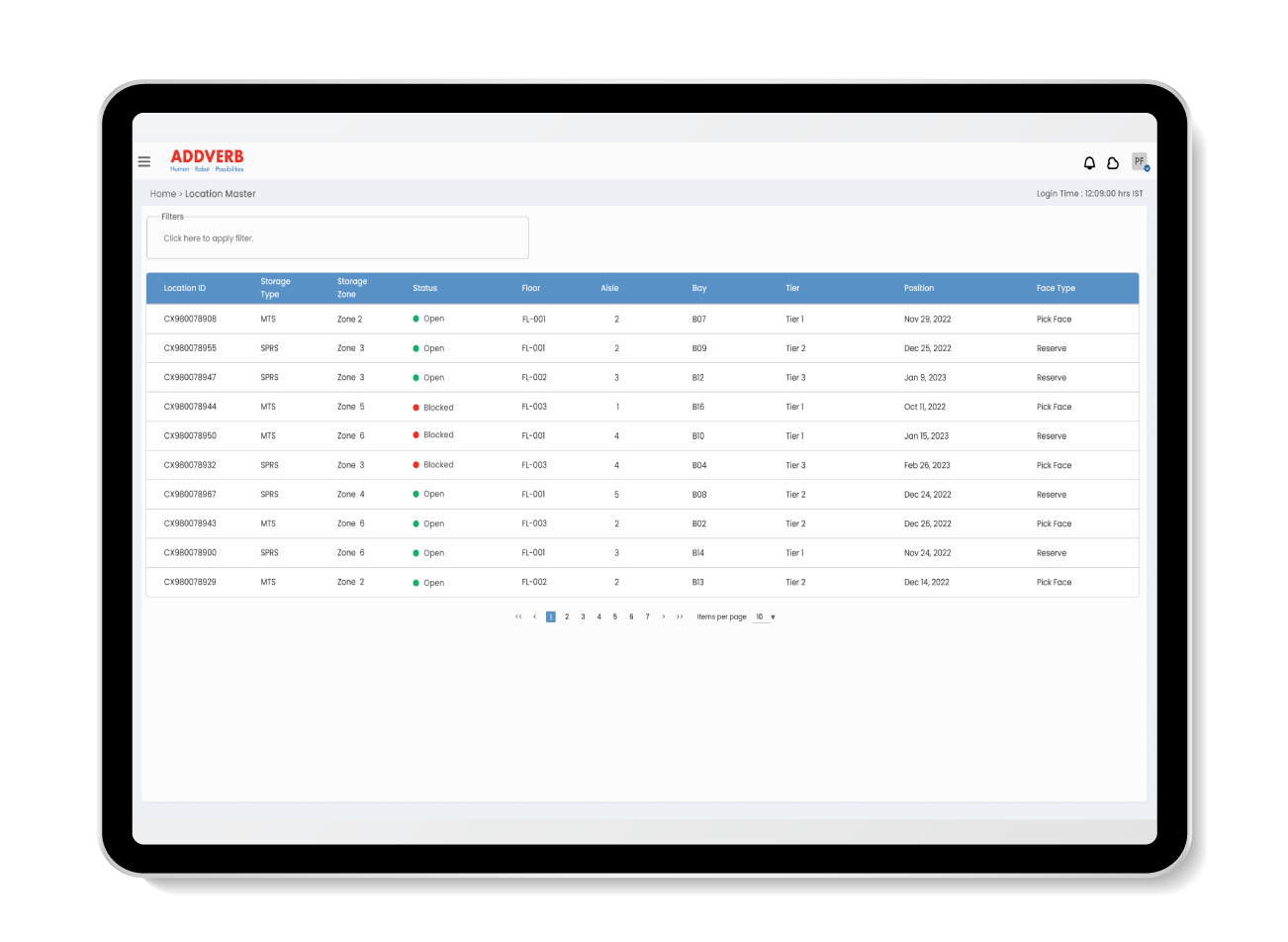
Optimus provides a systematic approach to managing warehouse locations by assigning unique identifiers, and optimising space utilisation.
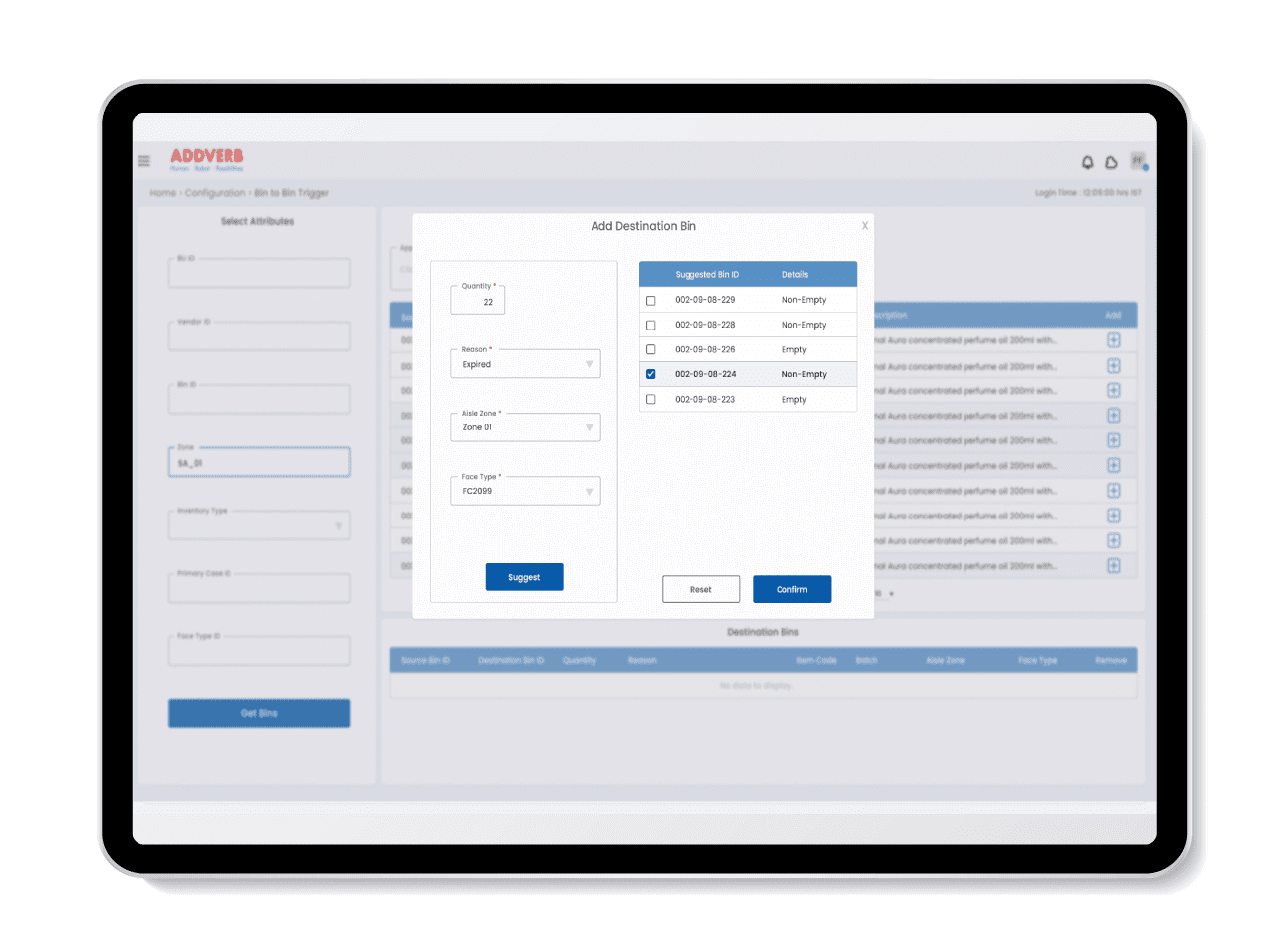
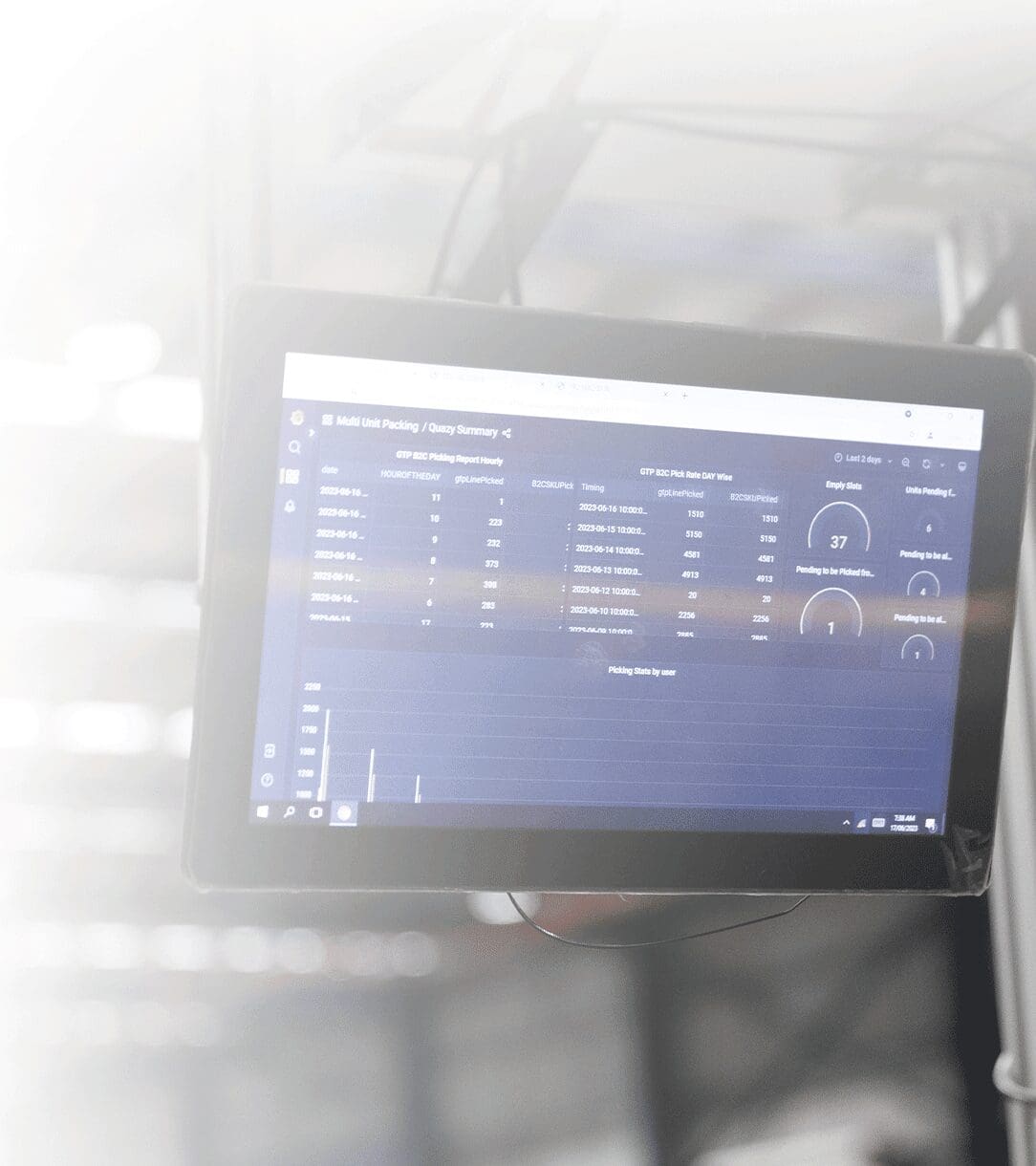
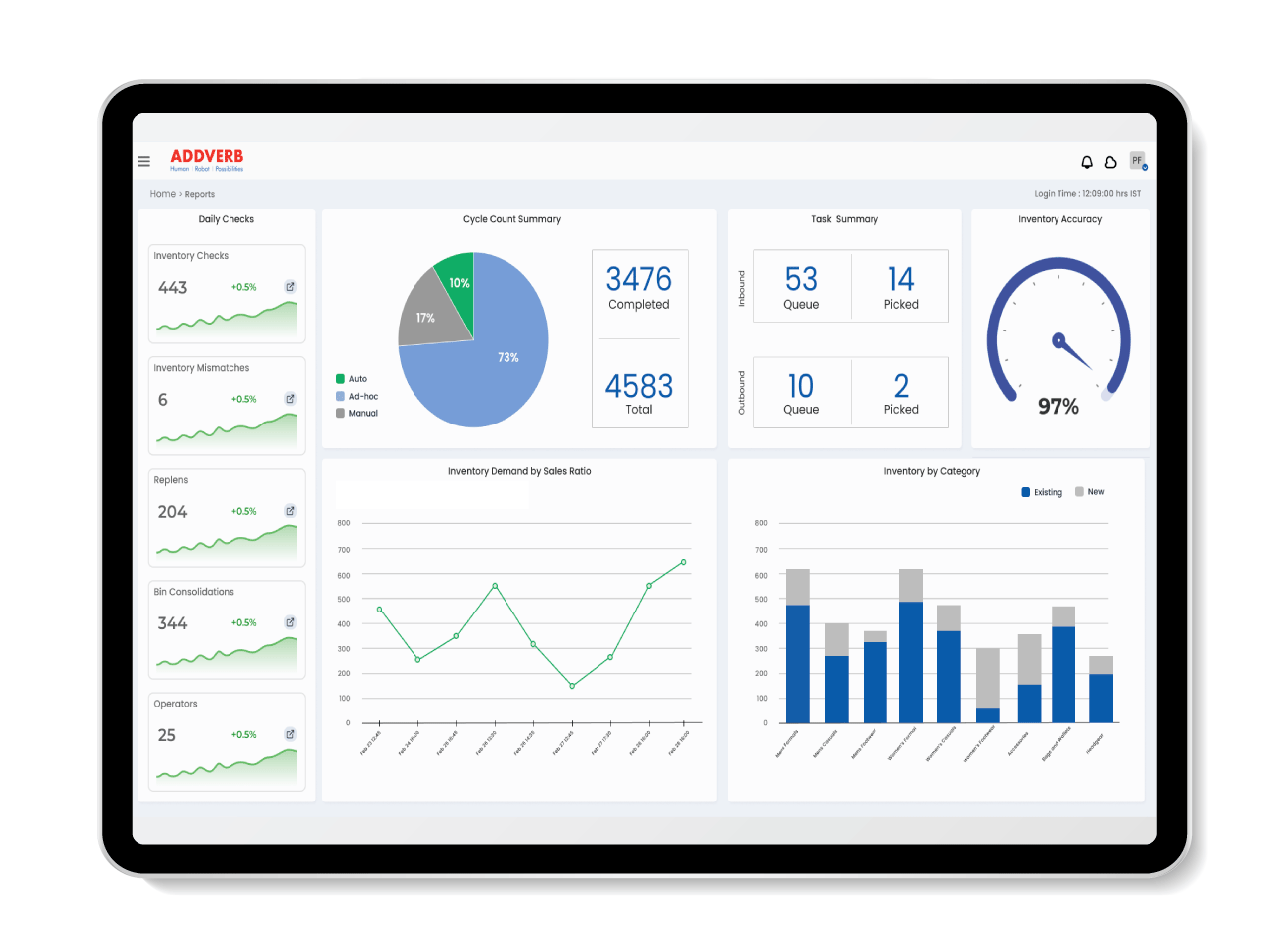
Optimus generates customisable reports, providing visibility into operational metrics, such as order accuracy, picking productivity, and inventory turnover.
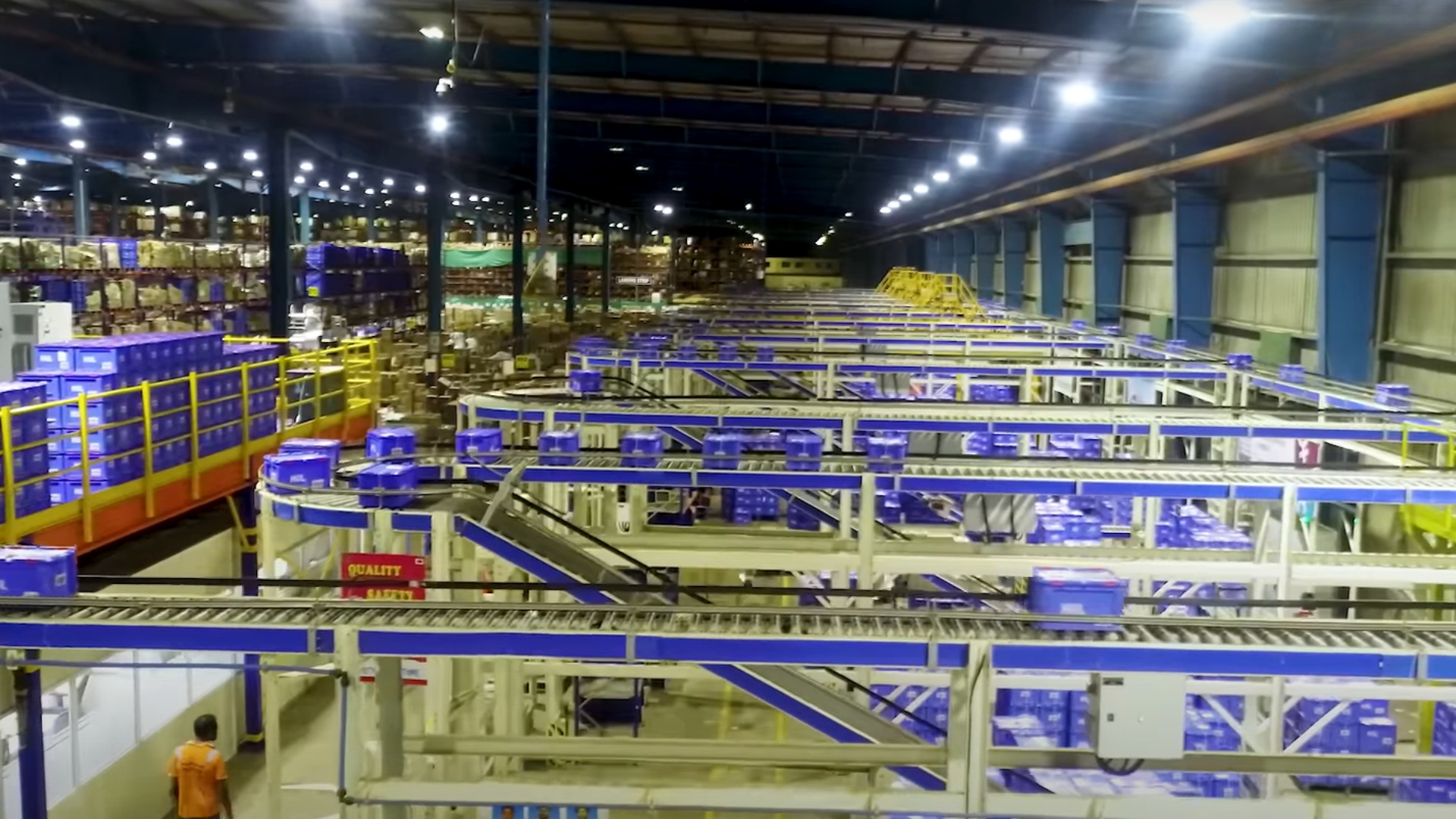
HUL adopted direct-to-retail automated DCs, to cater to consumers in rural and urban areas.
Read more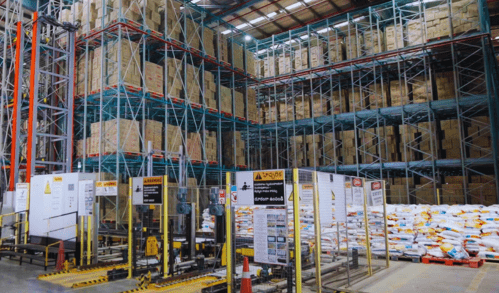
ITC implemented their largest CPG production plant in India addressing storage and throughput needs.
Read more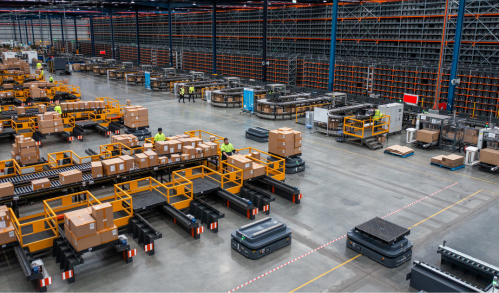
Maersk, a Leading 3PL player adopted automation for managing crossflow and break pack operations.
Read moreEnhances operational efficiency, reduces costs, improve order accuracy, and enable faster order fulfilment in a warehouse
Warehouse Execution System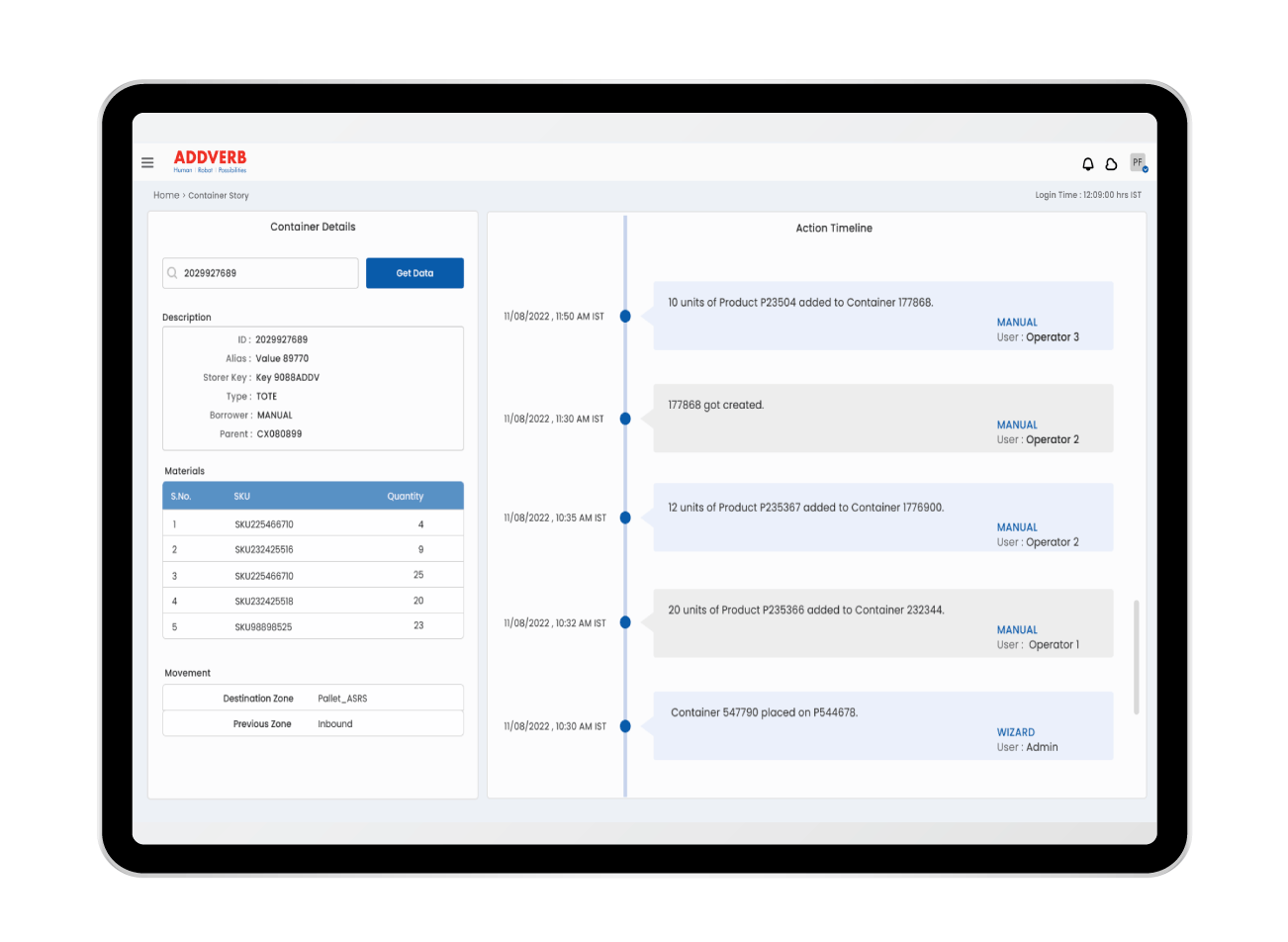
Enable faster material flow, reduce manual intervention, optimise resource utilisation, and ultimately contribute to improved warehouse productivity
Warehouse Control System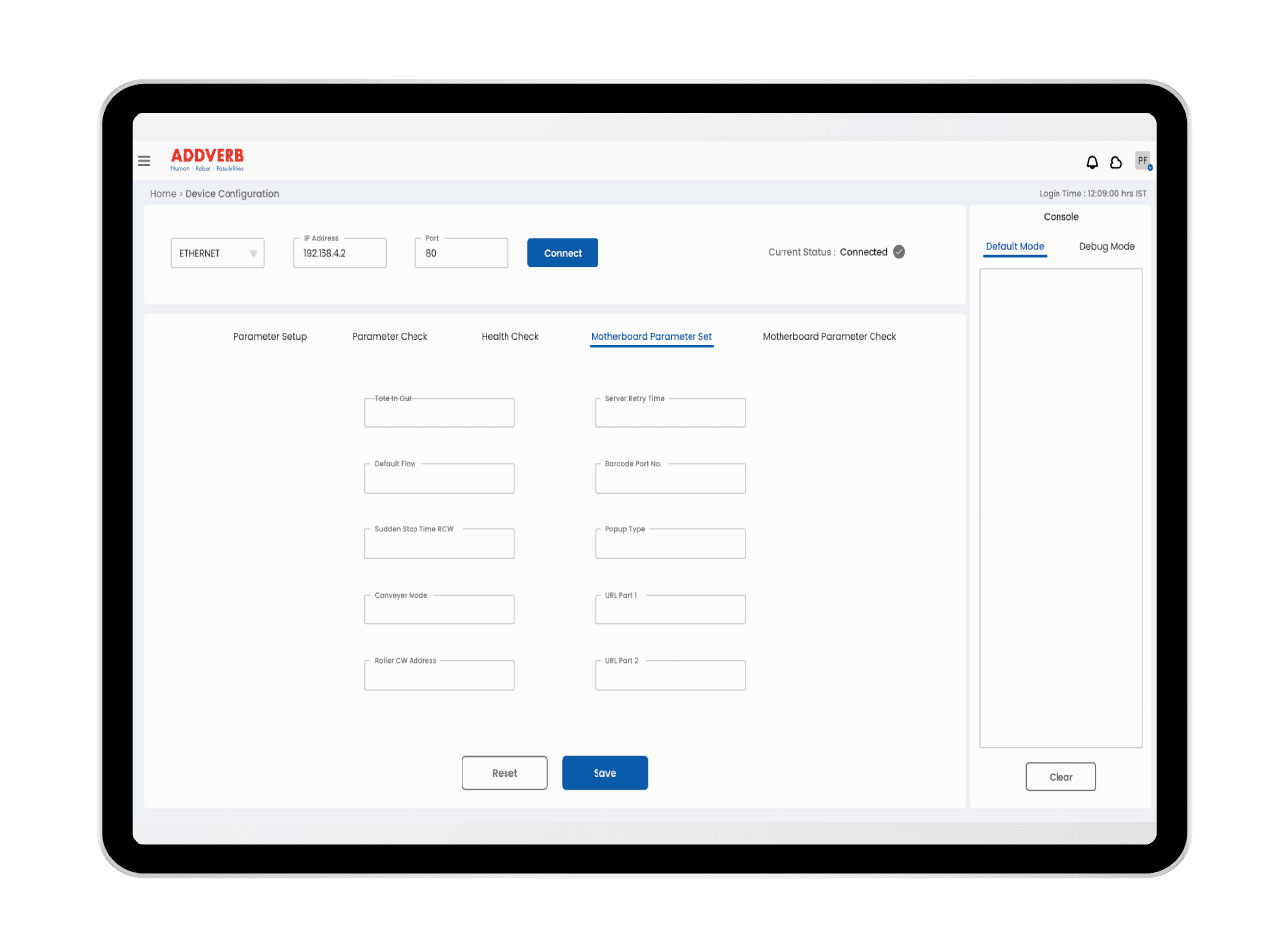
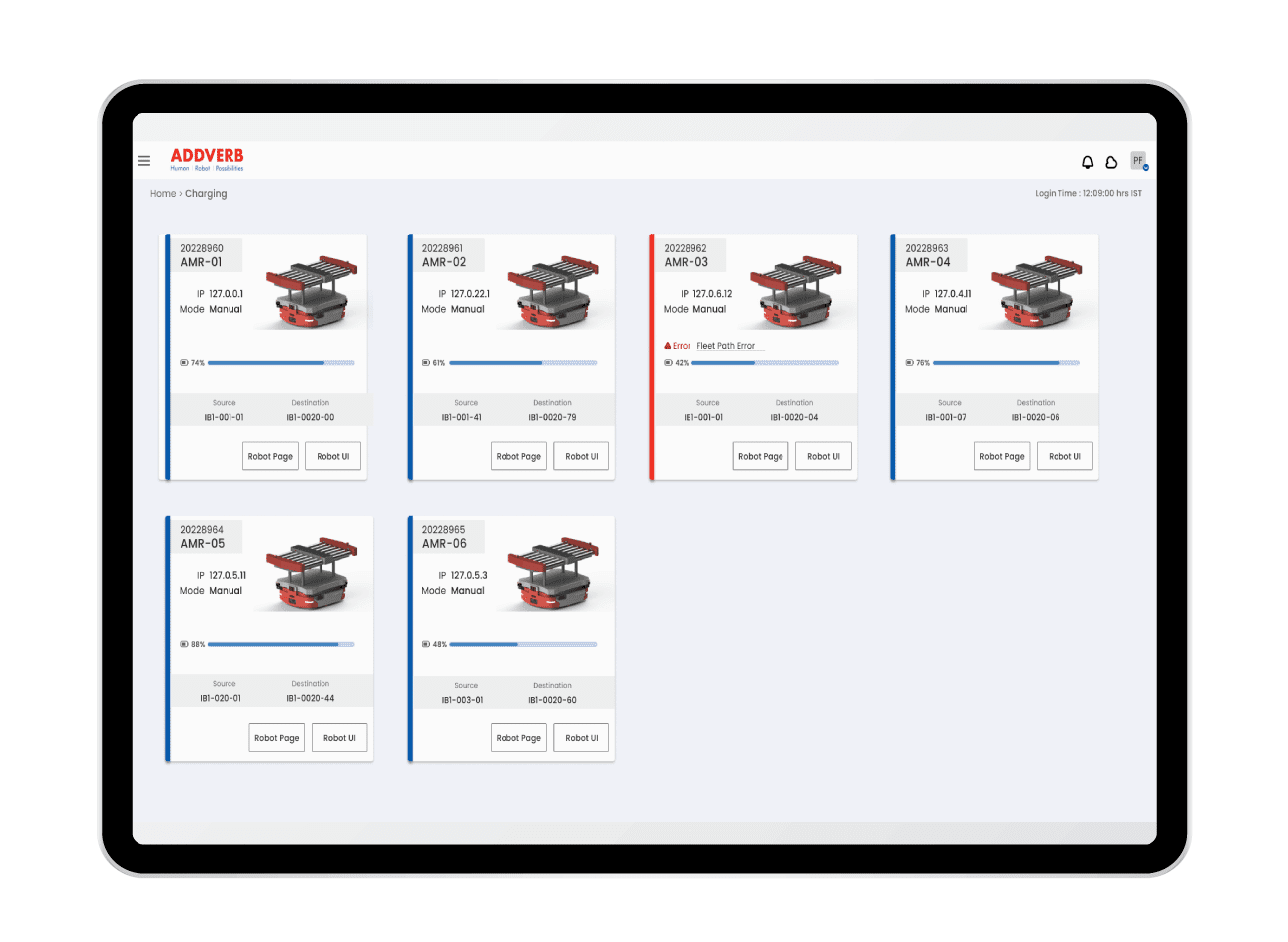
Optimise the utilisation of the robot fleet, enhance task efficiency, and improve overall operational productivity, for streamlined warehouse operations
Fleet Management System