






Frequently Asked Questions
-
What is a vertical sortation robot?
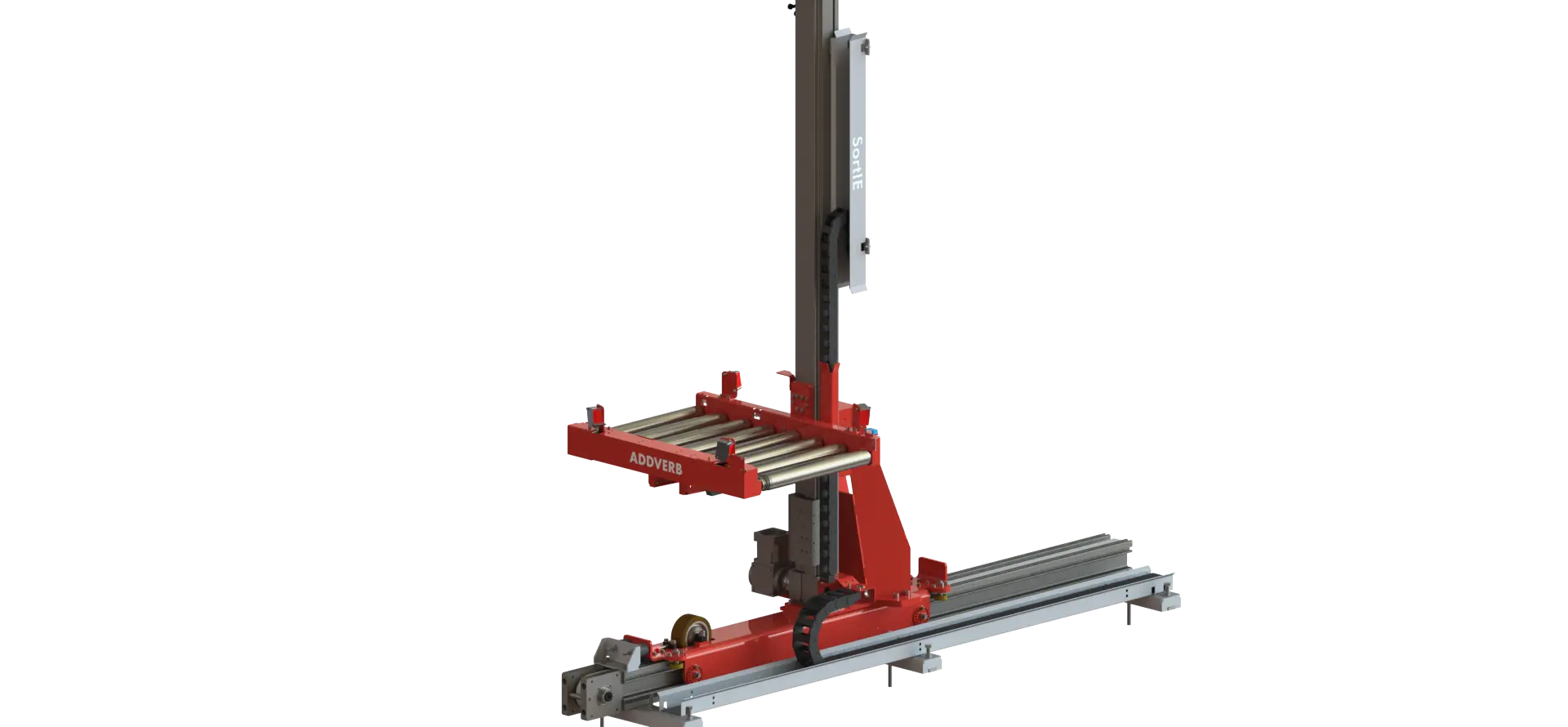
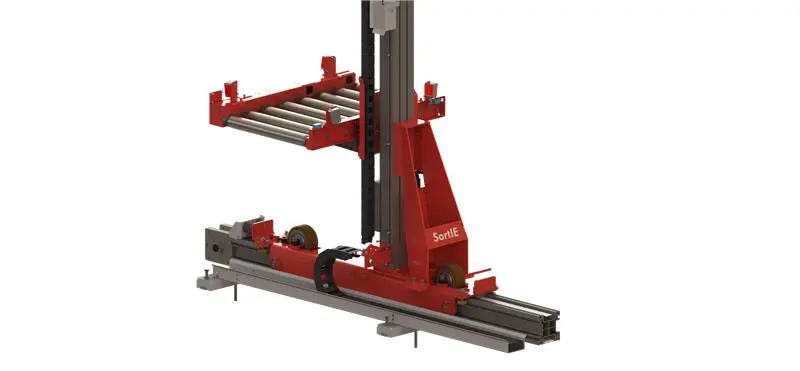
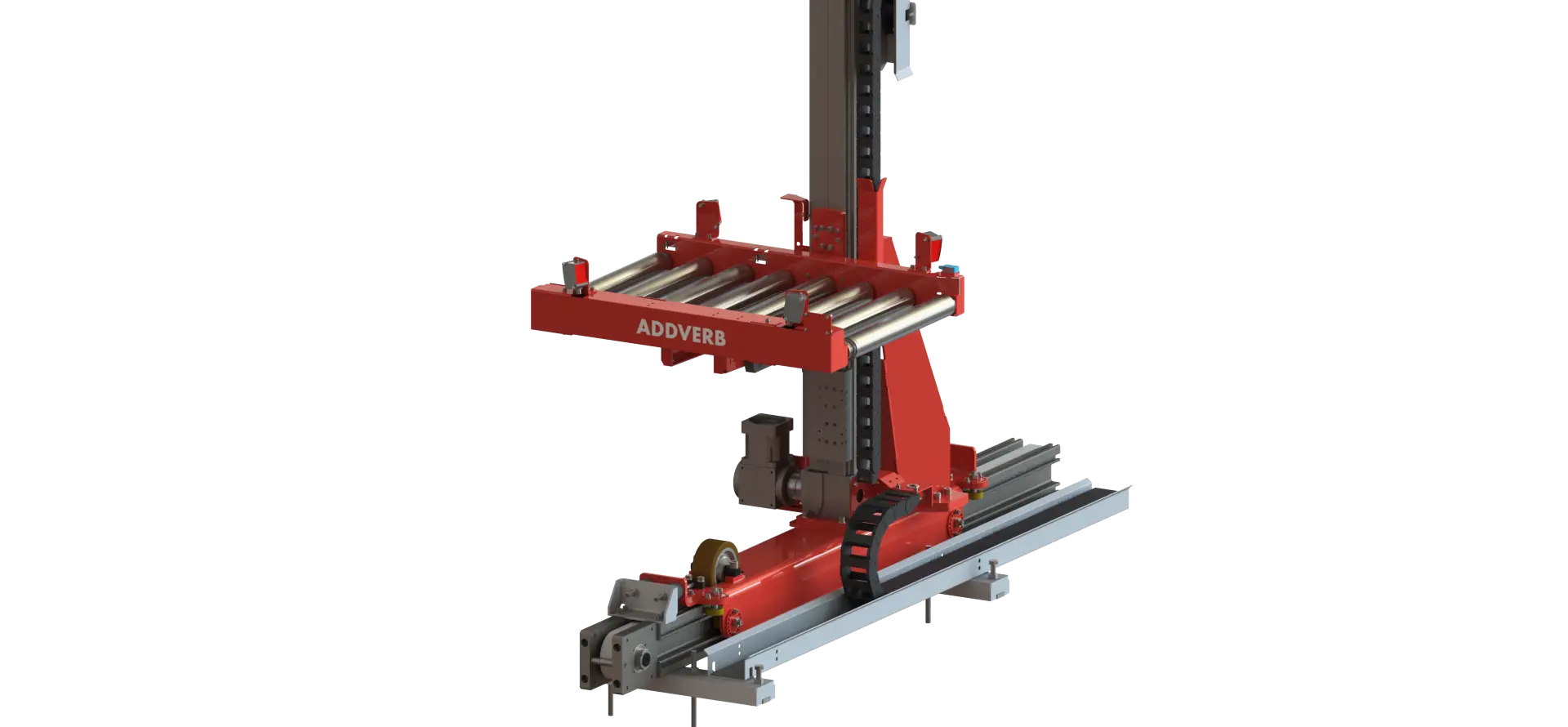
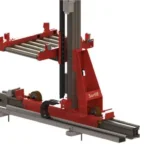
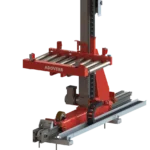
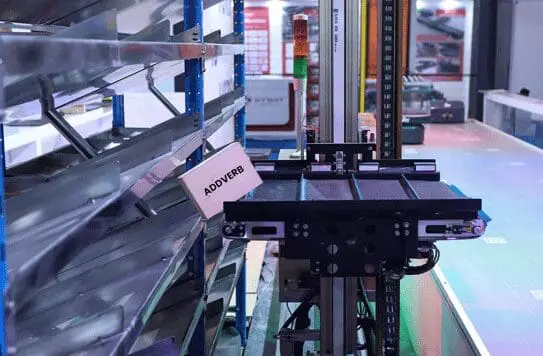
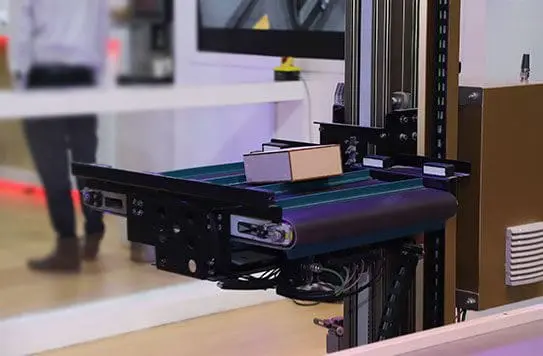
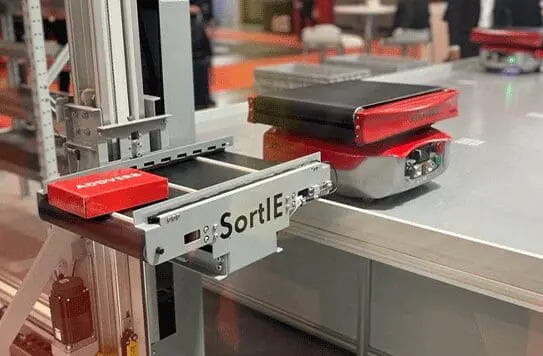
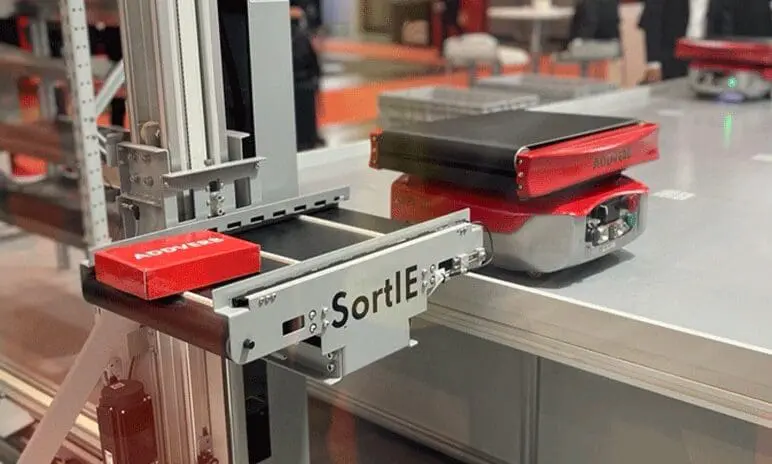
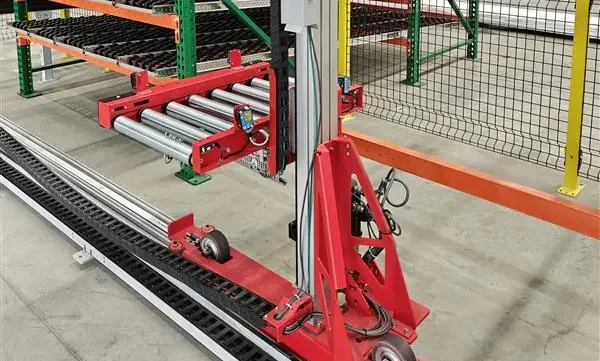
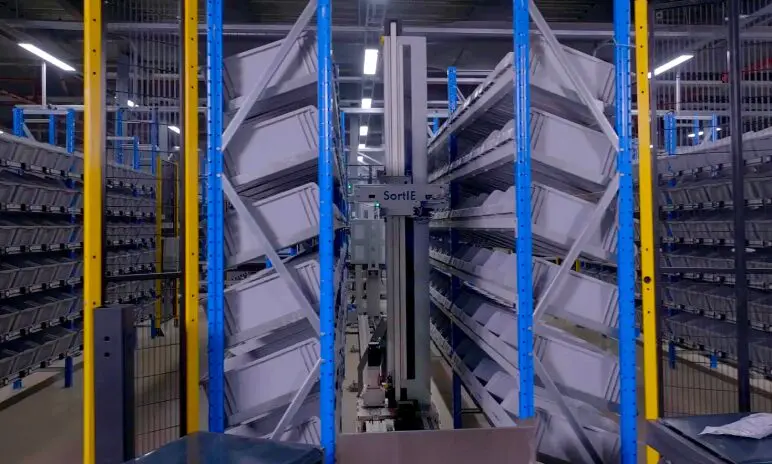
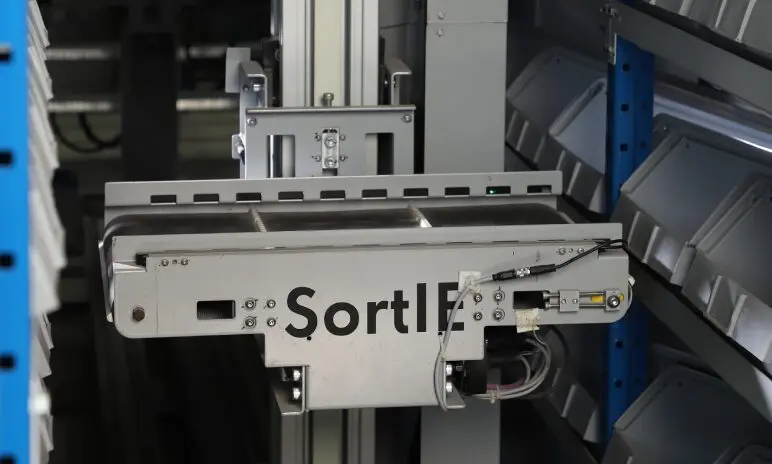
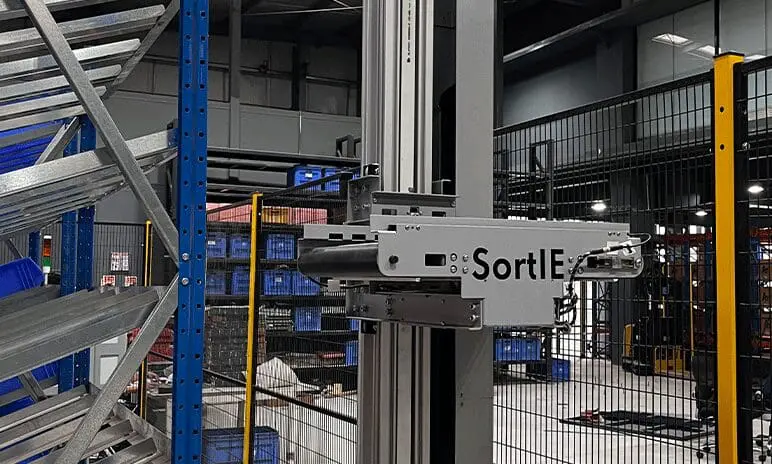
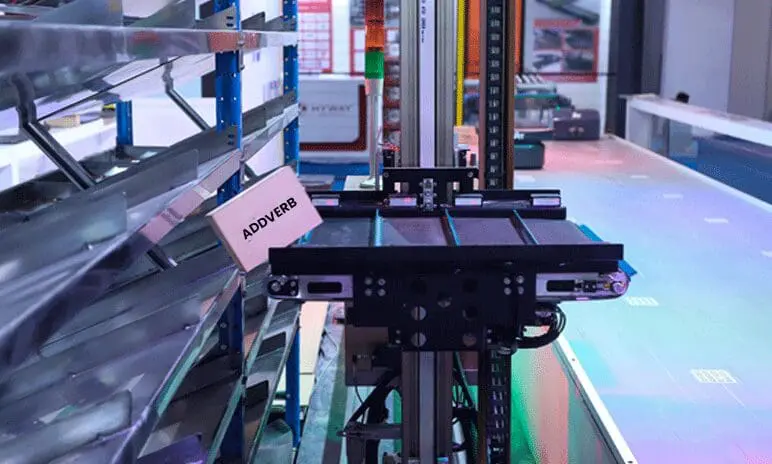
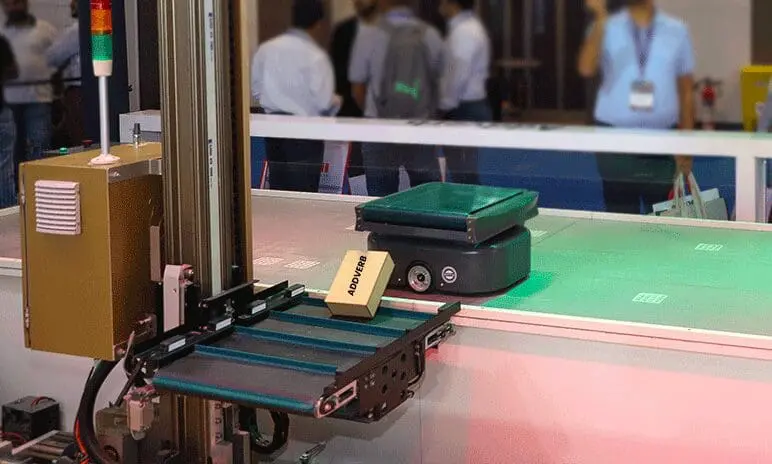
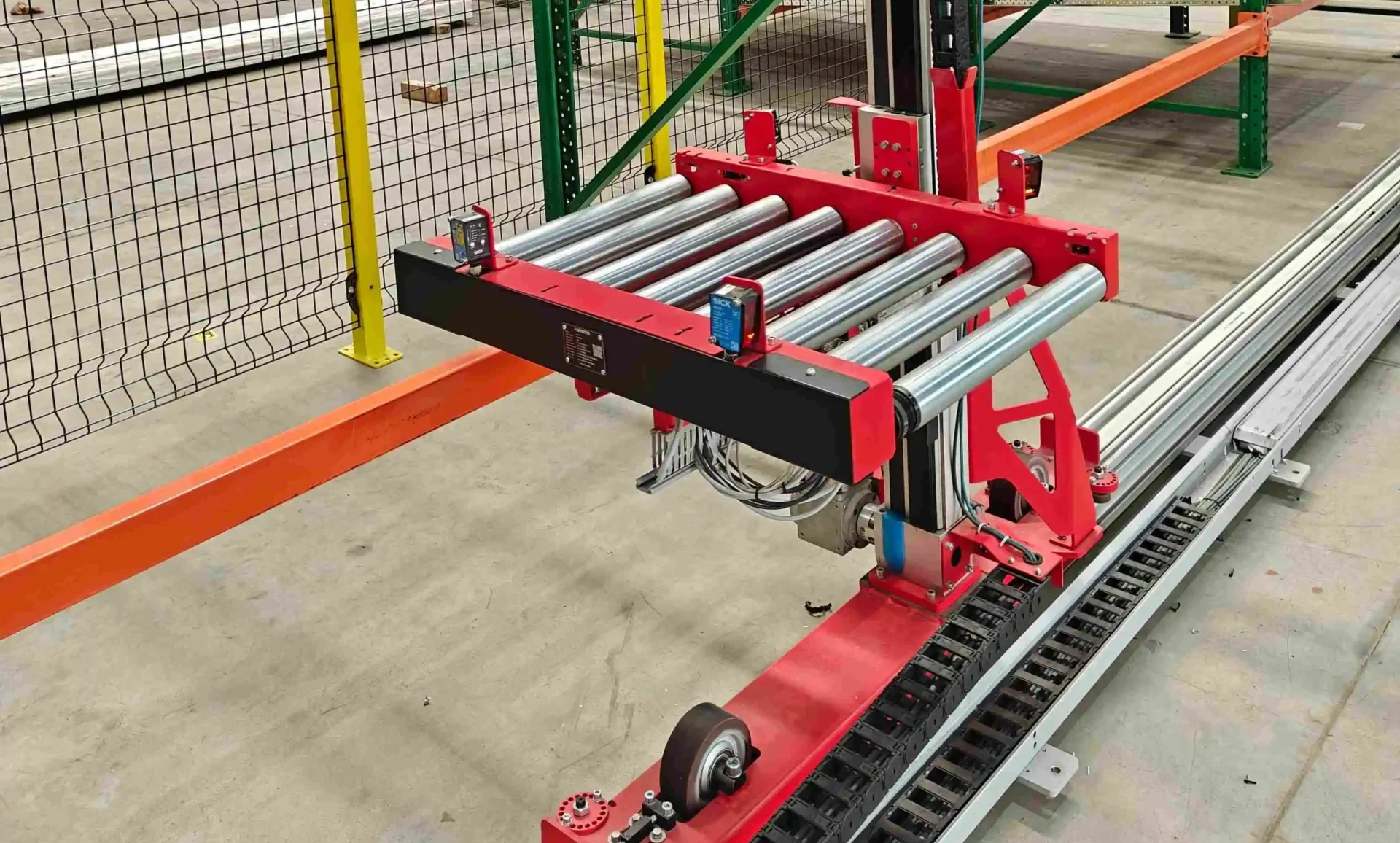
A vertical sortation robot is a track-mounted robot that travels along an aisle and up and down to place individual items into bins or put-wall locations at different heights. Addverb's SortIE runs on a dedicated track up to 15 m long, handles items up to 10 kg and uses a belt drive with precise motion control for accurate placement. Using height as well as length fits more sort destinations into a small footprint. -
How does a vertical sortation robot automate a put wall?
A vertical sortation robot automates a put wall by taking each scanned item and placing it into the correct order bin itself, so operators no longer walk the wall reading lights or labels. With SortIE, the robot travels along its track to the assigned bin at any height and deposits the item. Once every item for an order has arrived, an operator removes the completed order for packing, which separates sorting from packing work. -
Should I choose a vertical sortation robot or a floor-based robotic sorter?
Choose a vertical sortation robot such as SortIE for item-level order consolidation in a compact footprint, and a floor-based robotic sorter such as Zippy for high-volume parcel sorting to many outbound destinations. SortIE uses height to fit many put-wall locations into a short aisle, which suits e-commerce, fashion and returns operations. Zippy scales to thousands of destinations and up to 30,000 sorts per hour across an open floor or platform. -
Can a vertical sortation robot handle returns and put-away?
Yes, Addverb's SortIE automates the sorting and routing of returned items into their destination bins, and it also supports put-away by placing items into assigned storage locations at varied heights. Automating these flows cuts the manual handling and errors that build up when returns volumes rise after peak season. Because sort logic sits in software, you can change bin assignments as return rules or product ranges change. -
When is a vertical sortation robot not the right choice?
A vertical sortation robot is a poor fit for items heavier than 10 kg, bulky goods that do not fit a put-wall bin, or flows that need thousands of sorts per hour through a single aisle. SortIE also needs a fenced, dedicated track and operates only between +5 °C and +45 °C, which rules out freezer areas. For high-volume parcel sorting, a floor-based robotic sorter is usually the better choice.