





Industry Challenges for Consumer Goods

Industry challenges
»
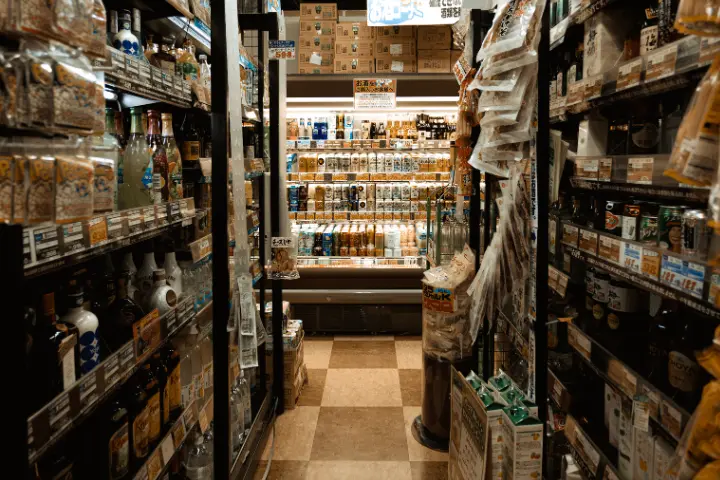
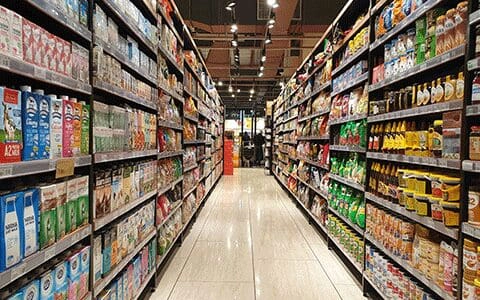
High SKU Complexity - Consumer goods warehouses face rising SKU counts growing around 20–30% every year, with diverse packaging like bags, cartons, and pouches. As warehouses move from full-pallet dispatch to mixed-case picking, case in-case out percentage is reducing with percentage of eaches picked increasing. This results in increase of mispicks, mislabelling, and dispatch delays.
»
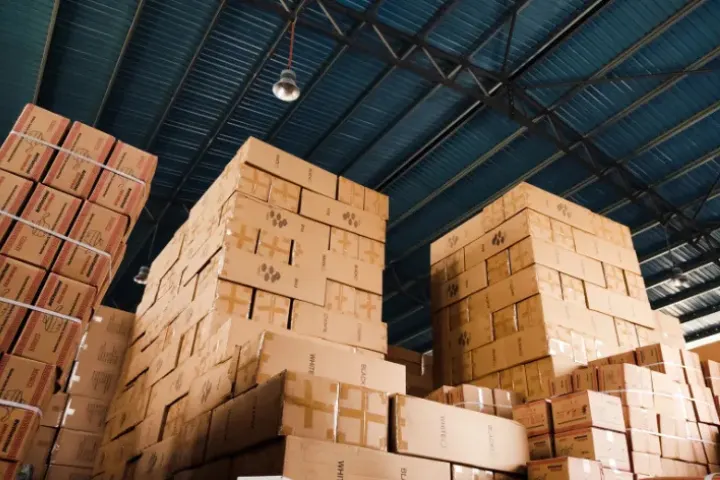
Promotional & Seasonal Volatility - Promotions and seasonal spikes can lead to demand spikes up to 300%. Manual operations are unable to scale, creating stock imbalances and delay in distribution. Reduced storage and packing capacity during these periods increase fulfilment errors and make future demand planning undependable.
»
Cold Chain Challenges - Short-shelf-life products with cold chain requirements requires accurate handling. Inadequate zoning, manual monitoring, and bulkier SKUs can result in misplaced inventory and experience 20-25% spoilage rate.
»
High Return Volumes & Damage Visibility - Returns from incorrect items or damaged products can overwhelm manual storage. Without visibility into returned SKUs condition, restocking is delayed. This increases waste and disrupts warehouse flow.
Industry challenges
»
Distributor-Centric Fulfilment Pressure - Distributor orders are becoming smaller, more frequent, and with diversified SKUs, demanding faster turnaround with minimal damage. Route-based sequencing is essential to maximise truck utilisation, but high assortment and reduced order size has made organised, timely fulfilment increasingly difficult.
»
Poor Traceability & Fragmented Data - Lack of batch-level tracking and disconnected ERP, WMS, or DMS systems impair recall efficiency and inventory accuracy. Manual reconciliation delays decision-making and reduces control over warehouse operations, posing risks in compliance and customer satisfaction.
»
Sequencing & Channel Complexity - Managing FIFO/FEFO sequencing across distributors, retail stores, e-commerce, and quick-commerce channels becomes increasingly complex with rising SKU variety. Mixed palletisation, varying order sizes, and fragmented storage zones (ambient, cold chain, food, non-food, aerosols) makes fulfilment extremely challenging.

Automation Solutions for Consumer Goods

Automated Picking

Enhanced Software

Conveyers

Material Movement

Carton Storage

Automated Storage

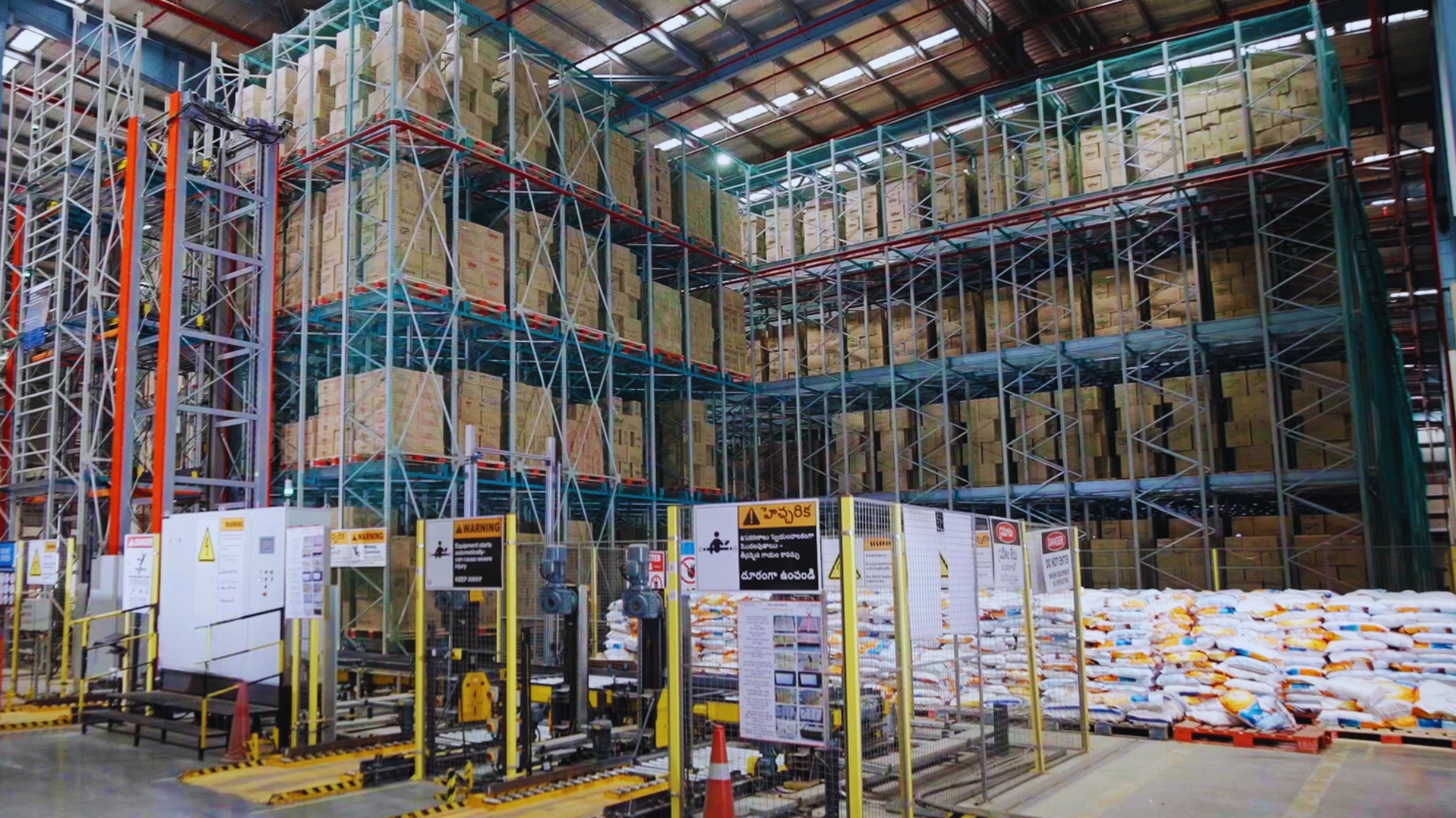
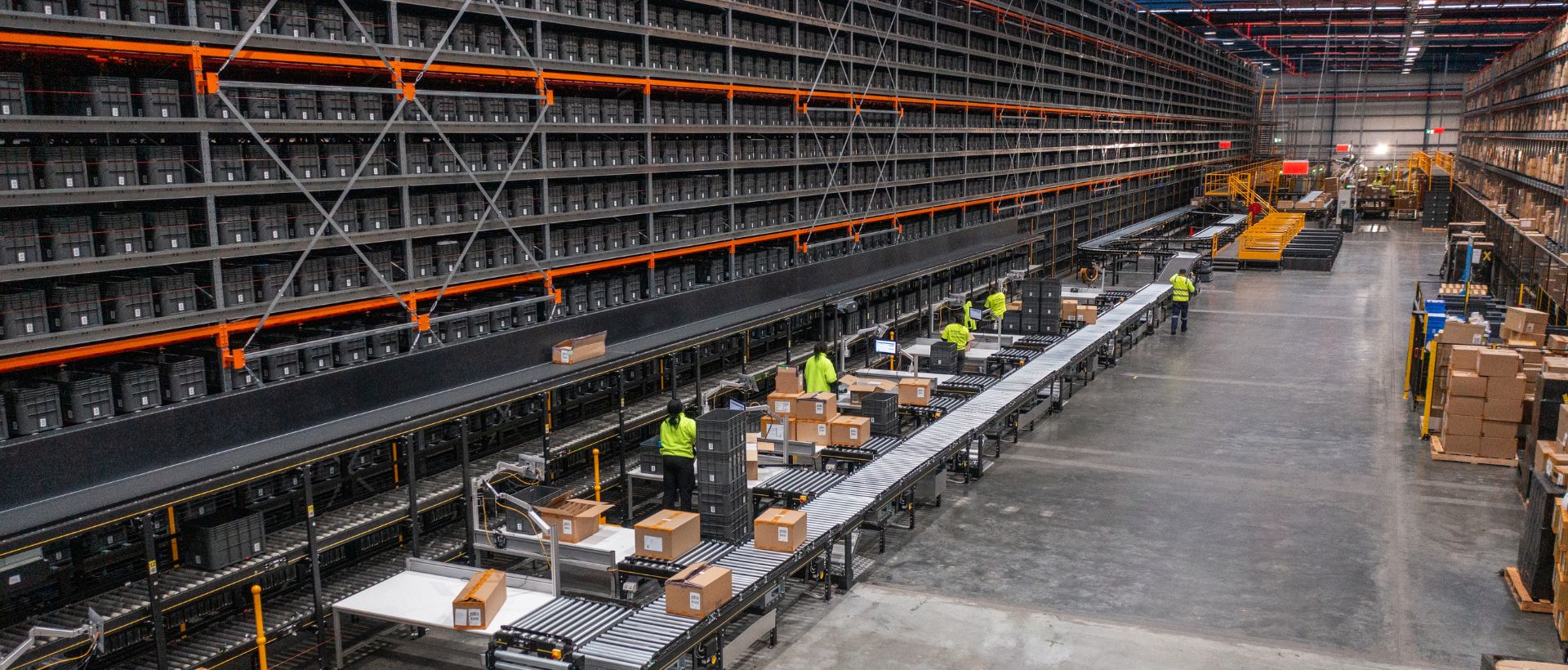
Zone, distribution or case level picking through a combination of shuttles and GTPs like Multi-level shuttles and GTPs for store or distributor level picking and AMR and autonomous forklift for case picking in manual rack or ground storage. Additionally, these solutions improve slotting efficiency, reduce mis-picks and mislabelling and enable faster fulfilment of mixed-case orders in FMCG warehouse environments.

Concinity, our WES, unifies ERP, WMS and DMS to provide real-time batch visibility for consumer goods warehouses. It facilitates FIFO/FEFO, shelf-life tracking, zone-level picking and accurate consolidation, decreasing expiry-related wastage and manual reconciliation while increasing fulfilment accuracy and decision-making.

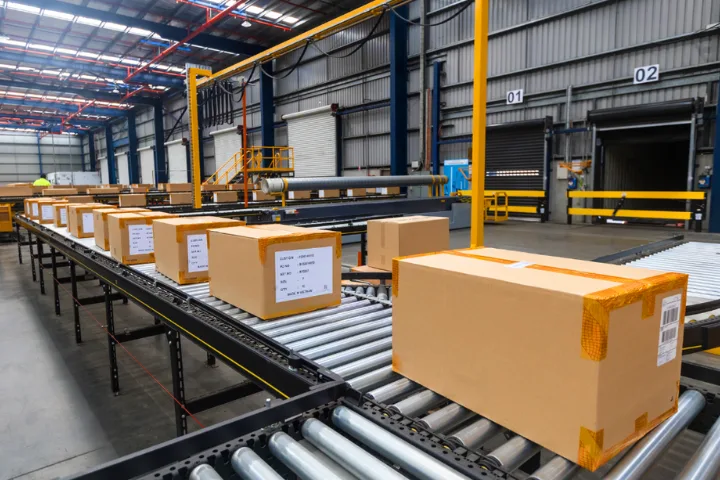
Addverb’s Vertical Lifts and Conveyor systems automate pallet, carton and tote movement across different levels, facilitating 24/7 high-speed transfers, accurate routing, and reduced manual workload. This ensures faster, error-free fulfilment during peak promotional season, and recurring distributor orders in FMCG warehouses.

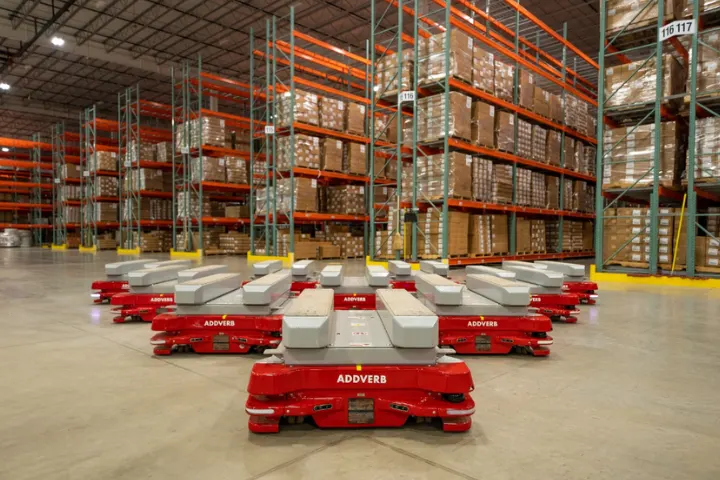
Our Autonomous Mobile Robot (Dynamo) and Autonomous Forklift (FlowT) scales FMCG peak operations by automating pallet movement and assisting operators in case picking across manual or ground storage. They decrease congestion, accelerate distributor order processing and improve throughput during promotional and seasonal demand peaks.

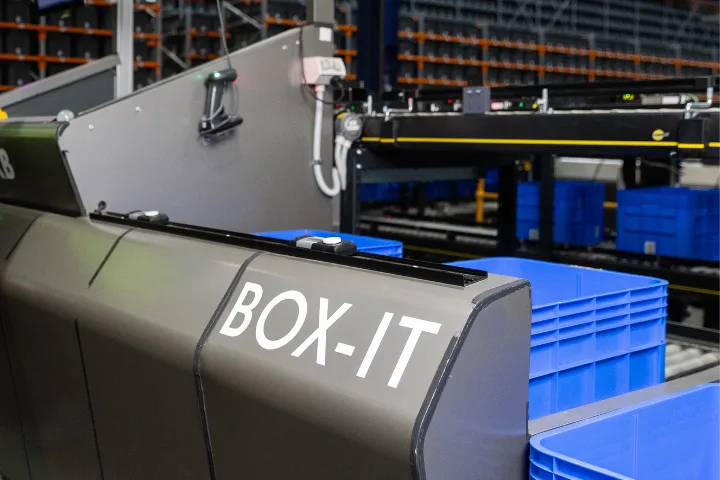
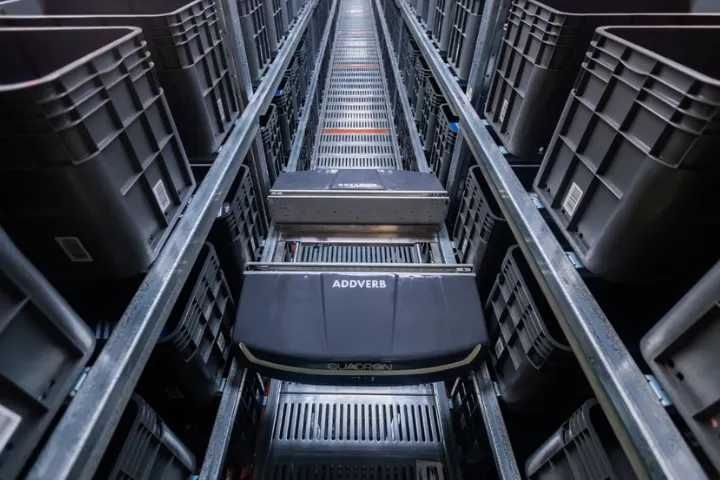
Quadron, our high-density carton shuttle, streamlines CPG returns with carton-level storage and rapid retrieval. Combined with Multi-Level Shuttles (Medius), it enables condition-based segregation and route/store-wise sortation, speeding up restocking, reducing manual handling and restoring smooth warehouse flow during high return spikes.

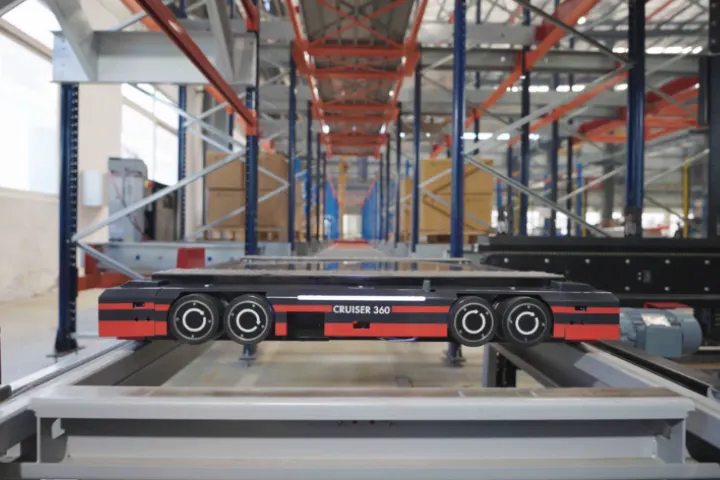
Addverb’s mother child shuttle (Multipro) and 4 way pallet shuttle (Cruiser 360) enable dense SKU storage with accurate FIFO/FEFO sequencing, while pallet GTPs streamline mixed palletization and route-based truck sequencing, ensuring faster, error-free fulfilment across all order types.

Solutions Finder

Your biggest challenge?
Managing a high volume and variety of SKUs across multiple store formats
Cold Chain Storage and temperature control Challenges
Effectively managing demand variability, seasonal patterns, and reverse logistics
Scaling operations efficiently , Inventory Management and Order Accuracy
Sequencing & Channel Complexity

Download our Brochure

Download

Are you looking for a solution?

Contact Us

Why Choose Addverb for Consumer Goods ?

Empowering Industries with Automation

Handling a wide array of SKUs with varying shelf life and storage requirements, the complexity of the Consumer goods (CPG) industry demands a warehouse automation solution to streamline operations. Read our case study to understand innovative solutions offered by Addverb.

...
Featured blog
Consumer Goods Warehousings Challenges, Solutions, and Automation

The retail automation market will grow by more than 10% from 2024 to 2032, witnessing a compound annual growth rate (CAGR) with a valuation of over USD 25 billion by 2023.  Growth in automated intelligence te...

Products for Consumer Goods

Our extensive product portfolio helps us design customised solutions for varying industry requirements.

Other Industries

Frequently Asked Questions

  • 1. Why is automation important for consumer goods warehousing?

    Automation supports high-mix, high-volume operations by improving order accuracy, reducing fulfillment time, and enabling faster SKU movement across large inventories. It helps consumer goods brands meet fluctuating demand and tight delivery windows while lowering operational costs.

  • 2. What is the timeframe for preparing for automation in a pharmaceutical warehouse?

    Timeframes vary by warehouse layout, temperature-controlled areas, and qualification. Modular systems like ASRS, AMRs, and robotic pallet shuttles can be deployed in phases over several months during which operations can continue smoothly, and with full compliance with good distribution practices (GDP) throughout the integration.

  • 3. Can Addverb automation manage temperature-sensitive and high-value pharmaceutical SKUs?

    Yes. Addverb’s ASRS, cold-chain AMRs, and controlled-environment handling systems properly store and move vaccines, active pharmaceutical ingredients (APIs), formulations, and high-value medications. Temperature monitoring with minimal manual touchpoints preserves product integrity throughout all zones.

  • 4. How do Addverb systems minimize errors and ensure compliance and end-to-end traceability?

    Addverb’s WMS works with barcoding, RFID, batch/lot tracking, and temperature logs to provide visibility throughout the supply chain. This system also ensures good manufacturing practice (GMP)/good distribution practice (GDP) compliance, facilitates audit trails, and allows for fast and accurate recalls when required

  • 5. Can automation enhance accuracy and reduce errors in Pharma order fulfilment?

    Yes. Automated order picking, robotic sortation, and guided workflows guarantee appropriate handling of SKUs, reduce cross-contamination, and maintain accuracy in hospital, distributor, and e-commerce Pharma orders when used properly. Automated systems also allow real-time checks throughout the process to ensure zero picking deviation.