



ON THIS PAGE
In any warehouse, space directly affects how fast orders move because when the layout is clear, and inventory is placed thoughtfully, teams spend less time searching and more time picking, which has a direct impact on ecommerce order fulfillment. Good planning plays a key role when it comes to reducing unwanted delays, preventing congestion, and keeping operations steady at all times.
Using storage zones wisely and making full use of vertical height allows warehouses to store more without crowding the floor. According to Zipdo’s education report, automated storage and retrieval systems (ASRS) can increase storage density by 50–70% compared with traditional setups, allowing businesses to make better use of their existing space rather than expanding the building. Faster retrieval and organised storage strengthen overall ecommerce warehouse fulfilment, and help meet rising order volumes.
What Are the Key Space Challenges in E-Commerce Warehouses?
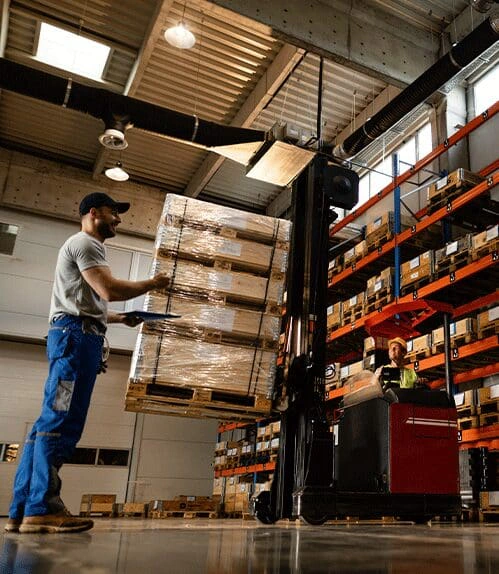
One of the most common issues during warehouse space optimization is handling a large variety of SKUs. E-commerce warehouses handle products of different sizes and demand levels, and if these are not placed correctly, aisles become crowded and picking slows down. Maintaining FIFO (First-In-First-Out) inventory helps ensure that older stock moves out first while keeping fast-moving items easily accessible, supporting smooth operations and maintaining both efficiency and compliance.
Overstocking and irregular replenishment often reduce available space because when slotting decisions are not structured, vertical height is underused, and access paths get blocked. Such small inefficiencies affect productivity to a greater extent, which is why a practical combination of layout discipline and automation is required.
What Are the Best Techniques for Warehouse Space Optimisation?
Strong warehouse space optimisation starts with simple planning because a well-defined layout and clear SKU placement makes it easier for facilities to reduce travel time and improve picking speed. Even small adjustments in slotting strategy can create noticeable improvements.
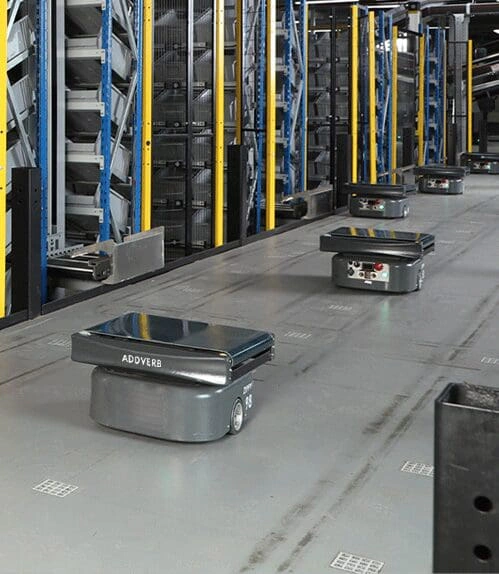
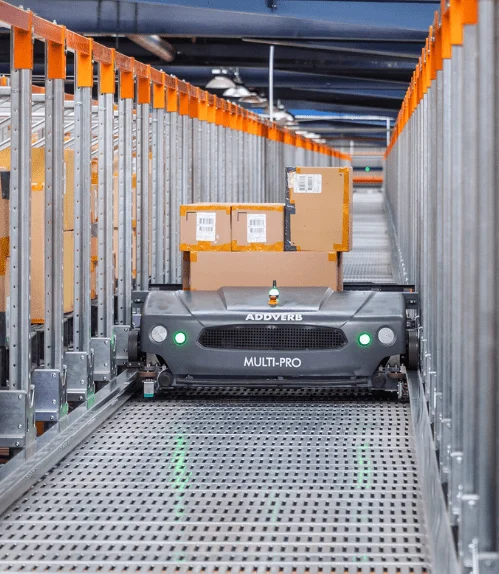
Implementing Automated Storage and Retrieval Systems (ASRS), like Addverb’s Multi-Pro (Mother-Child Shuttle ASRS), helps warehouses to optimise both vertical and horizontal space usage. These systems automate storage and retrieval while reducing manual handling, which brings consistency to operations.
Placing fast-moving SKUs closer to dispatch zones and grouping products by size and demand keeps operations balanced. When layout planning and automation work together, warehouses can increase storage density without affecting speed.
How Can Automation Maximise Storage Space in E-Commerce Warehouses?
Automation changes how space is used inside a warehouse. Instead of wide aisles for manual forklifts, systems can operate in tighter spaces and reach higher levels.
- Addverb’s 4 Way pallet shuttle(Cruiser 360) works efficiently within narrow aisles, allowing higher storage density without increasing floor area.
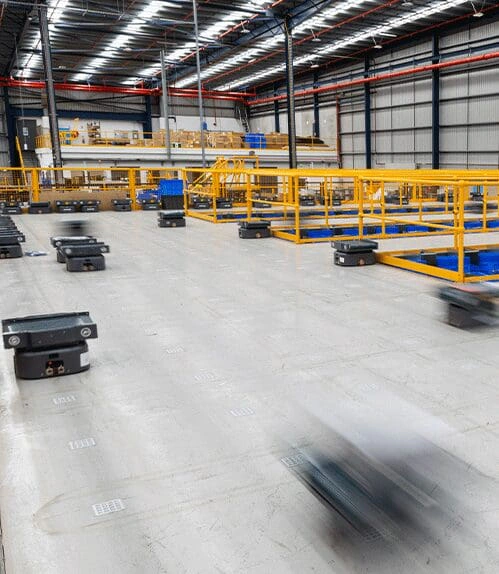
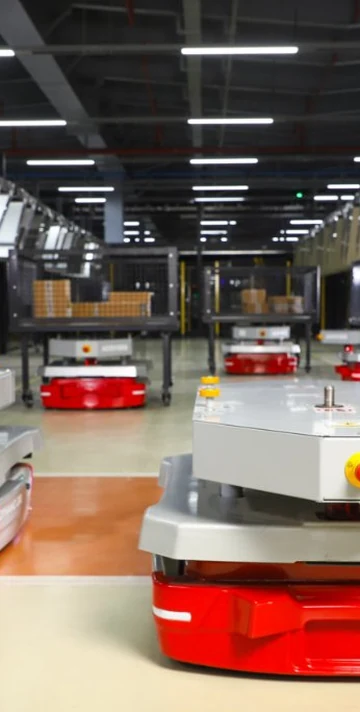
- Robotic shuttles and Autonomous Mobile Robots (AMRs) move goods directly to where they are needed, improving overall throughput.
According to Zipdo, automated systems reduce order picking errors by 60–80% and cut fulfilment time by around 50%. This way, warehouses are able to process orders more accurately and strengthen ecommerce warehouse fulfillment.
Warehouse Storage Efficiency: Before vs After Automation
Here is the warehouse storage efficiency before and after the implementation of ASRS & Shuttles:
| Metric | Before Automation | After ASRS & Shuttle Implementation |
| Space Utilisation | Moderate | Higher |
| Order Picking Time | Higher | Reduced |
| Inventory Density | Lower | Higher |
| Required Storage Space | Standard Layout | Reduced |
How Can Last-Mile Delivery Be Supported Through Space Optimisation?
Warehouse space planning does not just affect internal operations, it also influences ecommerce last mile delivery. When picking, packing, and staging areas are organised, orders leave the warehouse on time.
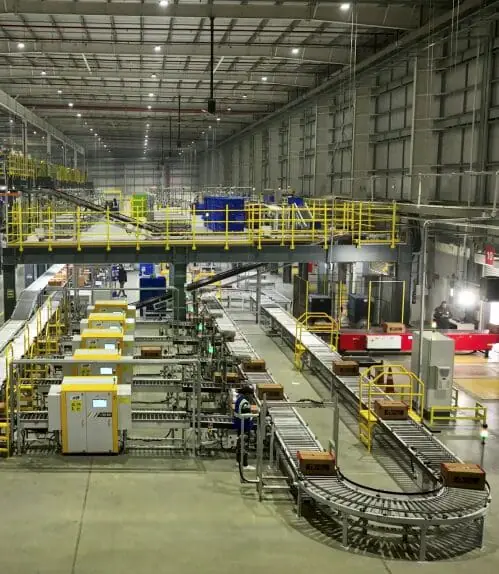
Addverb’s Veloce (Multi-Carton Picking Robot) increases picking speed while keeping cartons arranged correctly, enabling teams to meet dispatch schedules and avoid last-minute rush. When workflows are smooth and space is not congested, errors decrease, supporting reliable dispatch and improving delivery performance.
How Addverb Helps Warehouses With Space Optimisation?
Addverb has implemented solutions that improve how warehouses use available space.
At ITC’s fully automated high-density storage plant, the facility’s main goal was to improve its storage and processing capacity. Addverb deployed multi-deep ASRS shuttles to maximise both vertical and horizontal space. This enabled the warehouse to store more pallets within the same footprint while increasing inbound throughput to 135 pallets/hour and outbound throughput to 160 pallets/hour.
At PAR Pharma, the challenges included manual picking processes, limited storage capacity, labour shortages and insufficient product traceability. Addverb implemented a multi-deep storage system that combines crane ASRS and pallet shuttles. Storage density was optimised with 4,050 multi-deep storage positions, demonstrating effective warehouse space optimisation in a live pharmaceutical environment.
Conclusion
Efficient layouts, proper vertical usage, and automation together strengthen ecommerce order fulfillment. By using Addverb’s Multi-Pro and Medius, warehouses can expand storage capacity without expanding the building.
Better space planning reduces unnecessary travel, supports timely dispatch, and lowers operational strain. Automation increases density and maintains a consistent workflow, helping warehouses stay prepared for growing e-commerce demand.
FAQs
Q1: What is warehouse space optimization?
Warehouse space optimization means organising storage in a way that maximises available area. It focuses on improving layout and increasing storage density so operations remain smooth at all times.
Q2: How to optimize space in a warehouse?
Space can be optimised by using vertical storage systems, structured racks, and automated solutions such as Addverb’s Multi-Pro. Clear slotting strategies and better aisle planning allow more inventory to be stored without disrupting efficiency.
Q3: How can vertical space be used effectively in warehouses?
Vertical height can be utilised through multi-level shuttle systems, such as Addverb’s Medius and pallet shuttle systems, which allow warehouses to store more goods vertically.
Q4: How does warehouse space optimization speed up order fulfillment?
When products are stored logically, and travel distances are shorter, picking becomes a lot faster. Automation systems like Addverb’s Veloce and Dynamo work alongside space planning to streamline dispatch while enhancing overall ecommerce order fulfillment.
Q5: How does WMS help with warehouse space optimization?
A Warehouse Management System (WMS) effectively tracks inventory movement and assigns storage locations, ensuring that the products are placed correctly. It also supports automation and helps maintain a steady workflow across the warehouse.