






Frequently Asked Questions
-
What is a robotic sorter and how does it work?
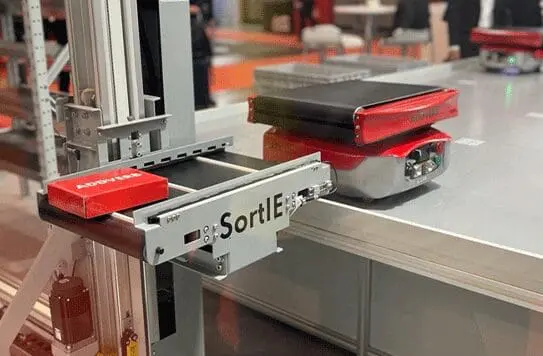
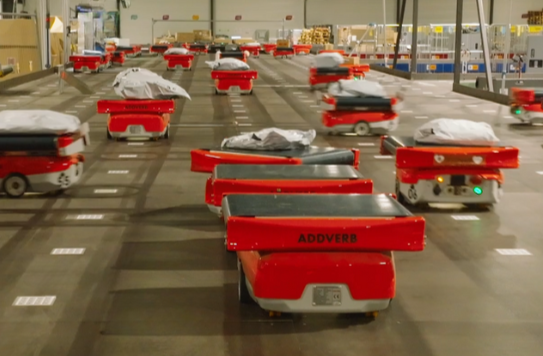
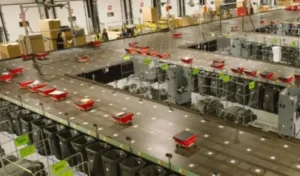
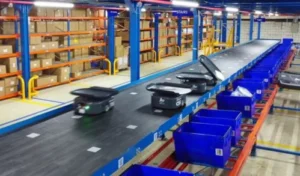
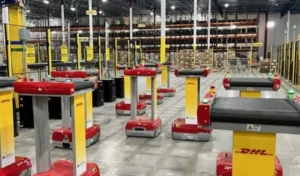
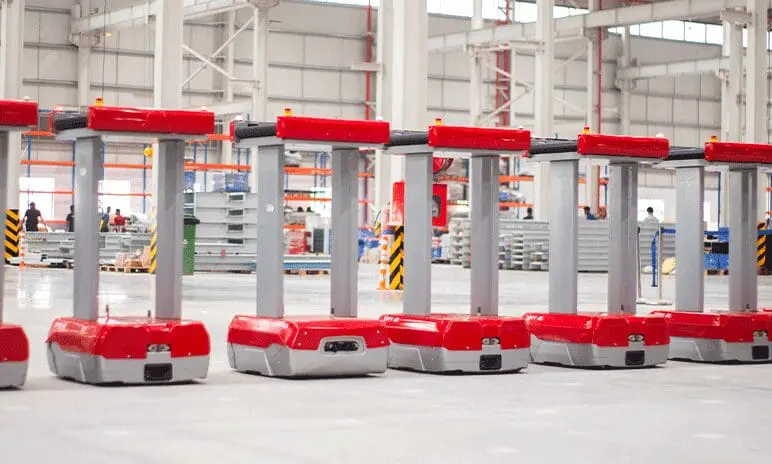
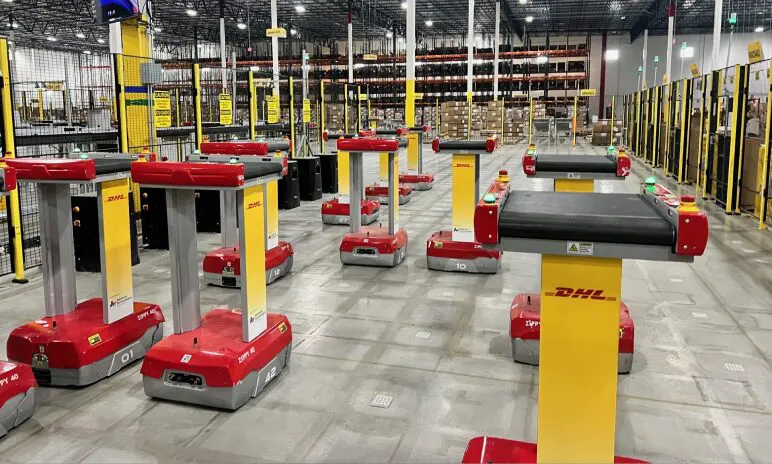
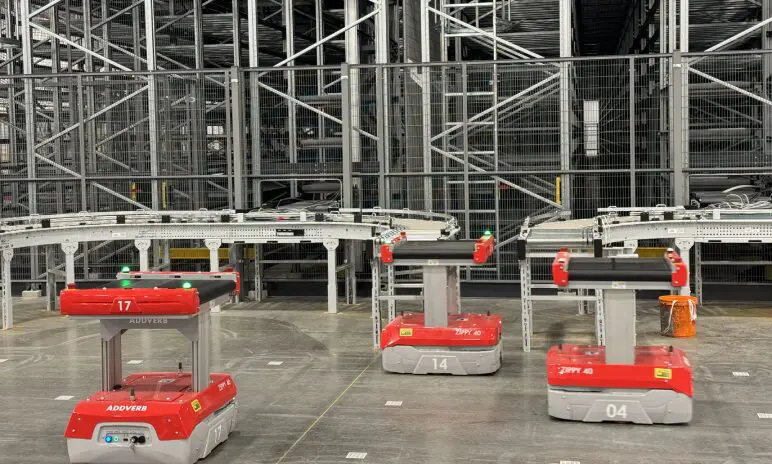
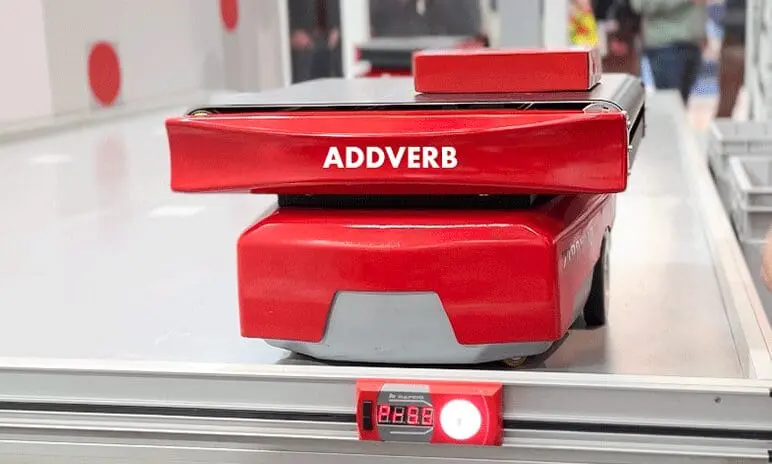
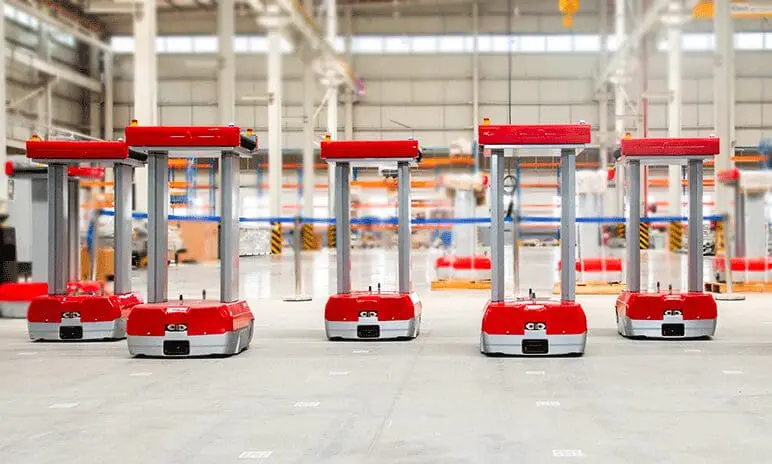
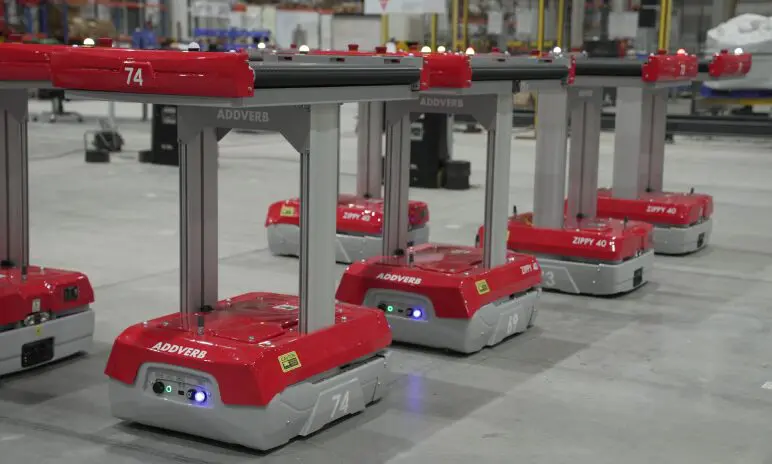
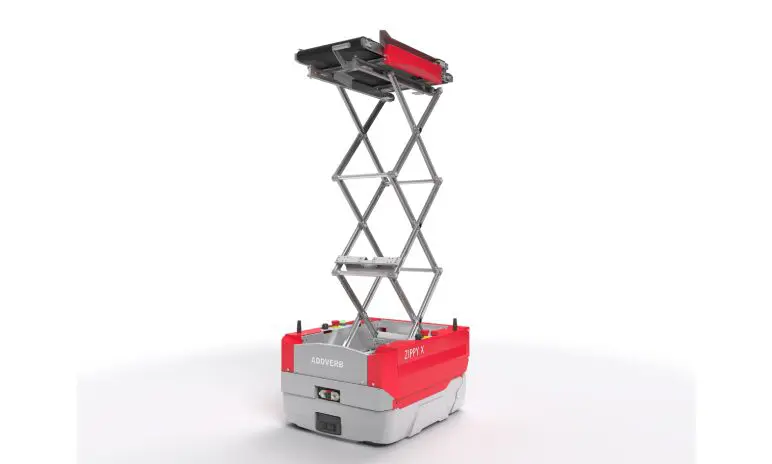
A robotic sorter is a fleet of sorting robots that each carry a parcel from an induction station to its destination chute or bin, replacing fixed sorting conveyors with independent, software-routed robots. Addverb's Zippy robots scan each parcel at induction, follow ground markers to the right destination and drop the parcel into its chute. A fleet management system assigns routes, manages traffic and reroutes robots around obstacles in real time. -
How many parcels per hour can a robotic sortation system sort?
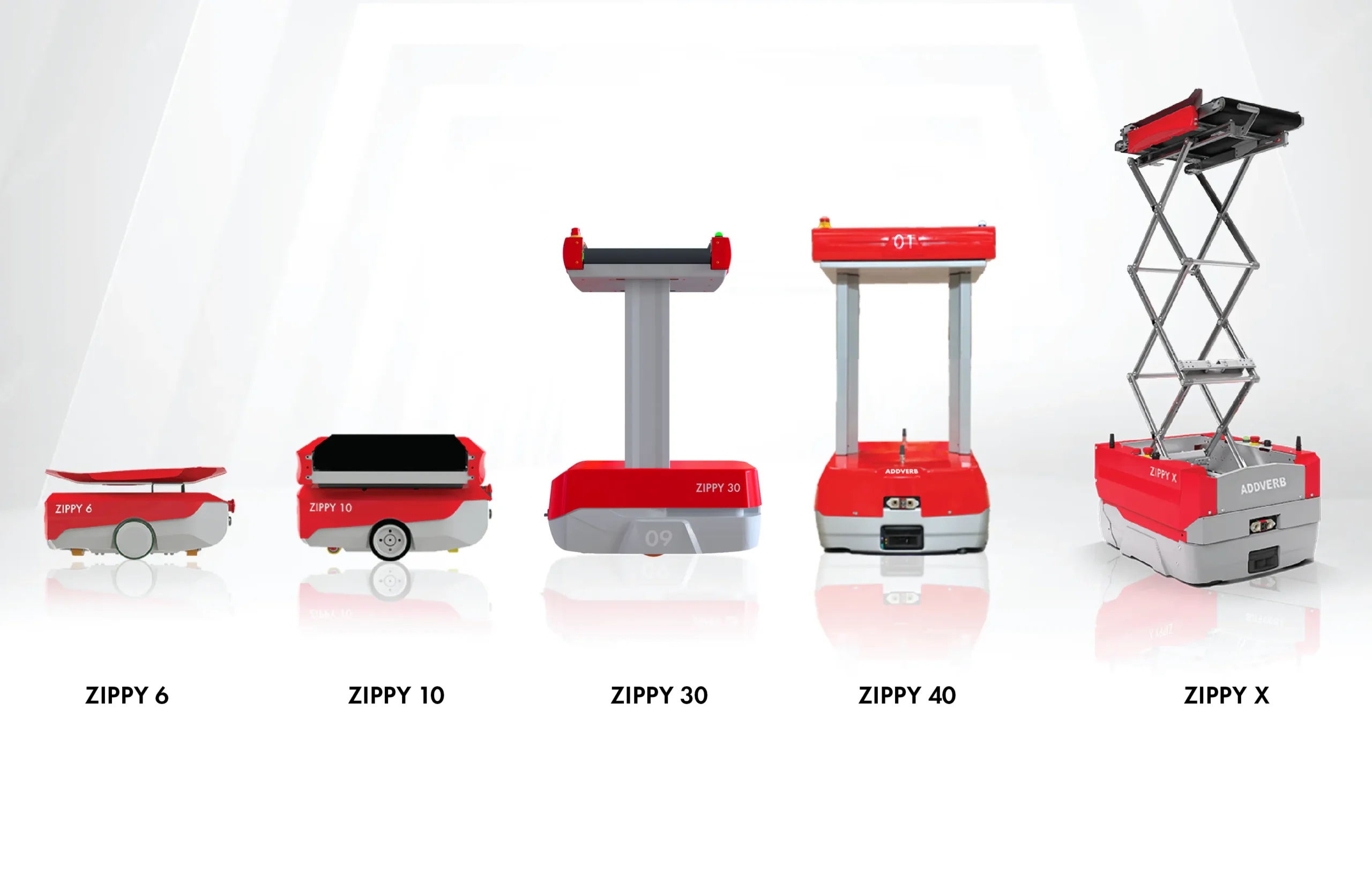
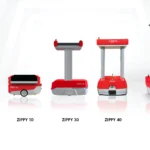
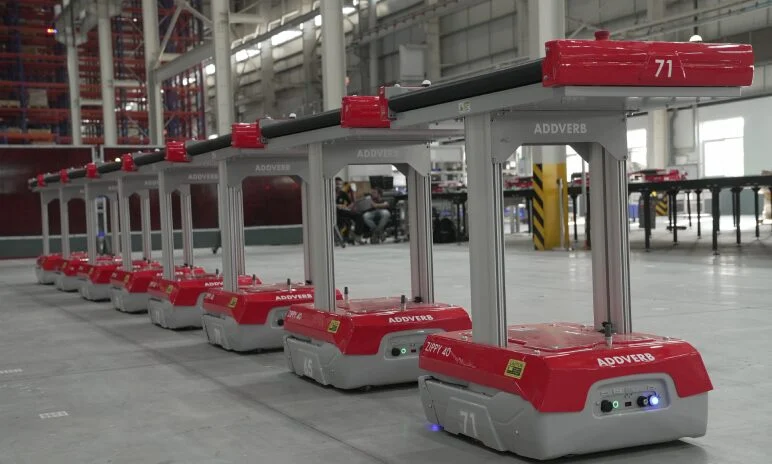
A robotic sortation system's throughput scales with fleet size, and Addverb's Zippy can deliver up to 30,000 sorts per hour across thousands of bin destinations in a large deployment. At Mondial Relay in France, 72 Zippy 10 robots sort over 3,000 parcels per hour at 99.99% accuracy, expanding the site from about 6 to 7 destinations to 280. To scale up your system, add zippy robots to raise capacity for peak season instead of rebuilding the system. -
What is the difference between a robotic sorter and a cross-belt sorter?
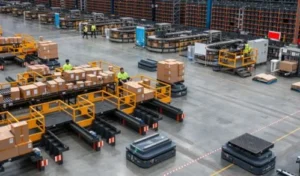
A cross-belt sorter is a fixed conveyor loop that diverts items into chutes, while a robotic sorter uses independent sorting robots, so you change capacity and layout by adding or rerouting robots. Fixed loop sorters suit very stable, high-volume flows in a dedicated building. Robotic sorters suit growing or seasonal volumes and space-constrained sites, and they avoid a single point of failure: one Zippy stopping does not halt the rest of the fleet. -
How much does a robotic sorting system cost?
The cost of a robotic sorting system depends on throughput, number of destinations, parcel size mix and whether robots run at ground level or on a table-top platform, so Addverb sizes and prices each Zippy system per site. Because capacity comes from robot count, you can start with the fleet you need today and add robots later. Addverb has also delivered Zippy on a Robot-as-a-Service (RaaS) model, as at Mondial Relay, which turns upfront capital into an operating cost. -
When is a Zippy not the right choice?
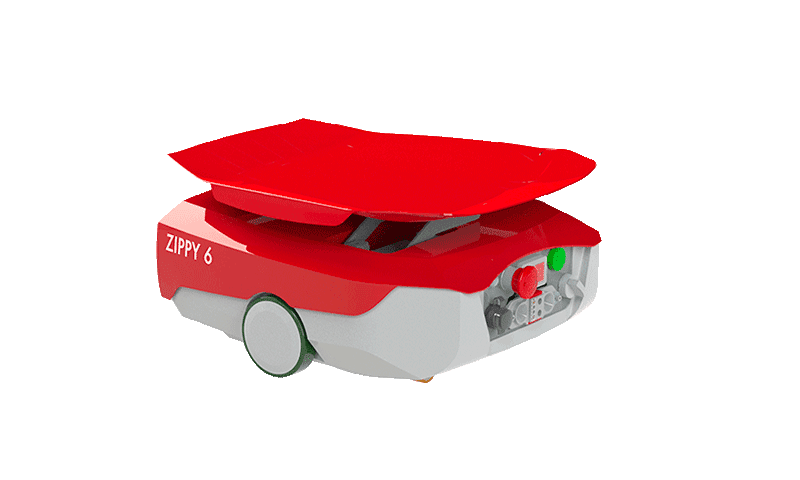
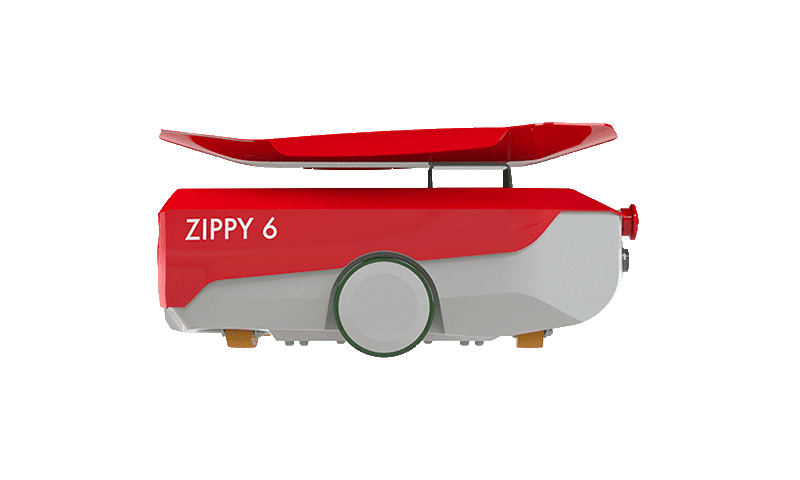
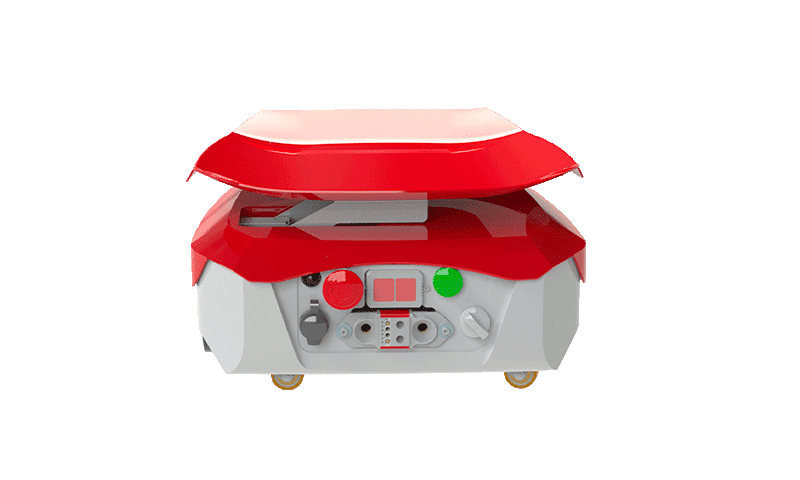
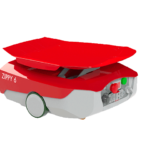
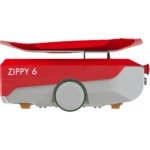
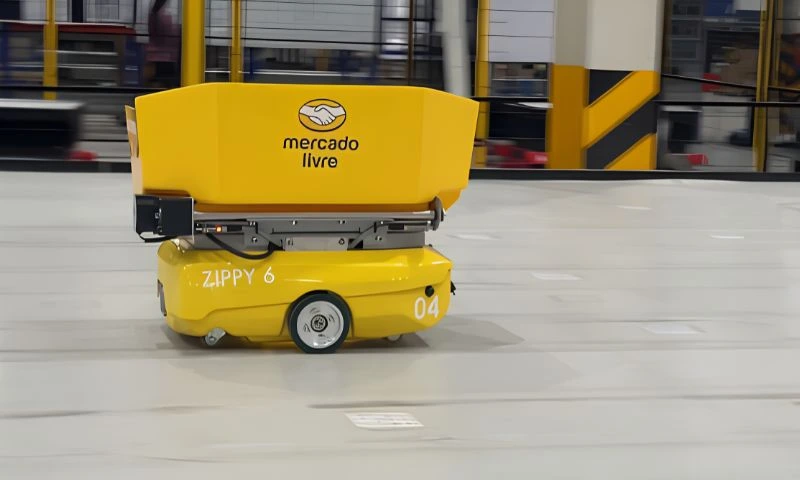
A robotic sorter - Zippy is a poor fit for bulky, very heavy or non-conveyable items that exceed the robot's rated payload, which starts at 6 kg on the Zippy 6 and rises on larger models. It also needs a flat floor or a table-top platform with room for the destination grid. Sites with a mix of large and small items often run bulky goods on a separate conveyor or manual line and send small parcels through the robots.