




Industry Challenges for Grocery Warehouse

Industry challenges
»
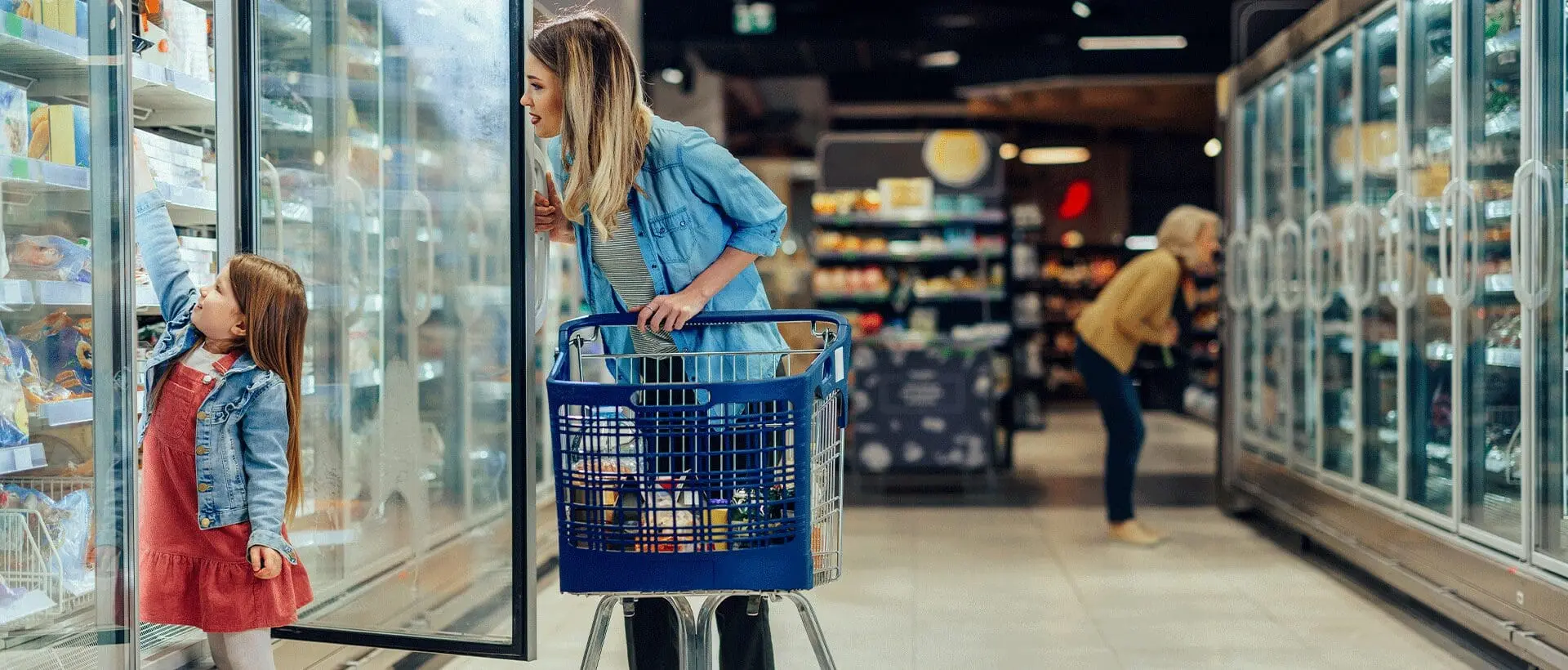
Temperature & Environment Management - Maintaining optimal temperature across ambient, chilled and frozen zones is critical. Space constraints, frequent door openings and power outages often lead to product spoilage and compliance risks.
»
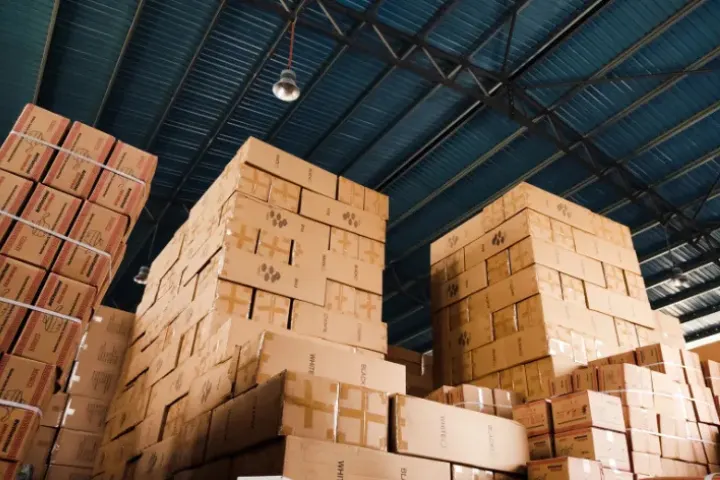
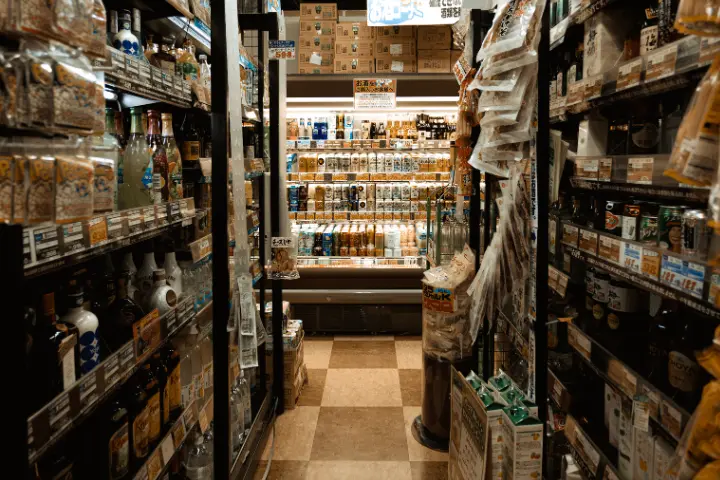
Storage & Inventory Management - Grocery warehouses handle high SKU mix with varying shelf-life and expiry dates. Small-size lots and varied case weights complicate the storage and increases FEFO (First Expired, First Out) error resulting in annual inventory write-offs.
»
Real-Time Tracking & Transparency - Fragmented systems result in unreliable real time inventory tracking, making it difficult to forecast requirements especially for warehouses with multiple outbound channels and dark stores.
»
Manual Handling - Moving goods between temperature zones is labour-intensive process and leads to errors in order consolidation. Mixed-category orders and short dock windows slow down operations and raise contamination risks.
Industry challenges
»
Perishable goods Handling - Short shelf lives and tight restocking timelines make inspecting and reallocating perishables a challenging task. Inventory errors lead to waste and compliance issues.
»
SKU Variability & Seasonal Demand Peaks - Diverse SKUs with varying sizes and weights complicate storage. Moreover, seasonal spikes may intensify forecasting errors and buffer inventory.
»
Order Fulfillment & Q-Com Challenges - Rapid order changes, 10-min SLAs, and hyperlocal demand strains picking and dispatch. Additionally, dark store replenishment and multiple channels add to congestion.

Automation Solutions for Grocery warehouse

Automated Storage

AI enabled Software

PTL + Conveyers

(GTP) Picking Stations

Material Movement

Digital Twin

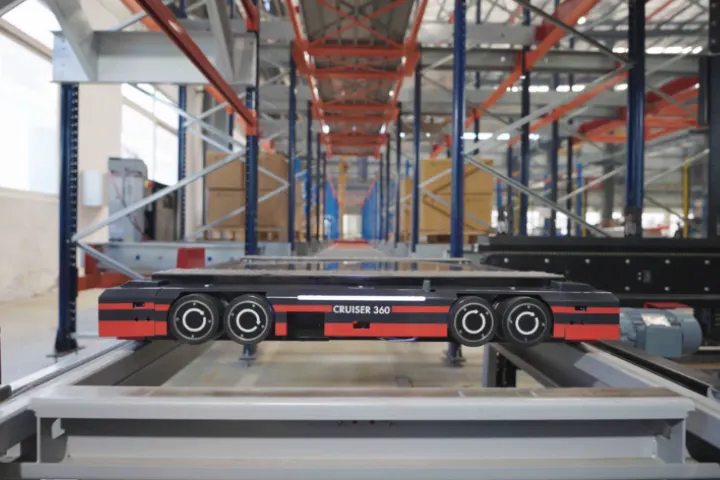
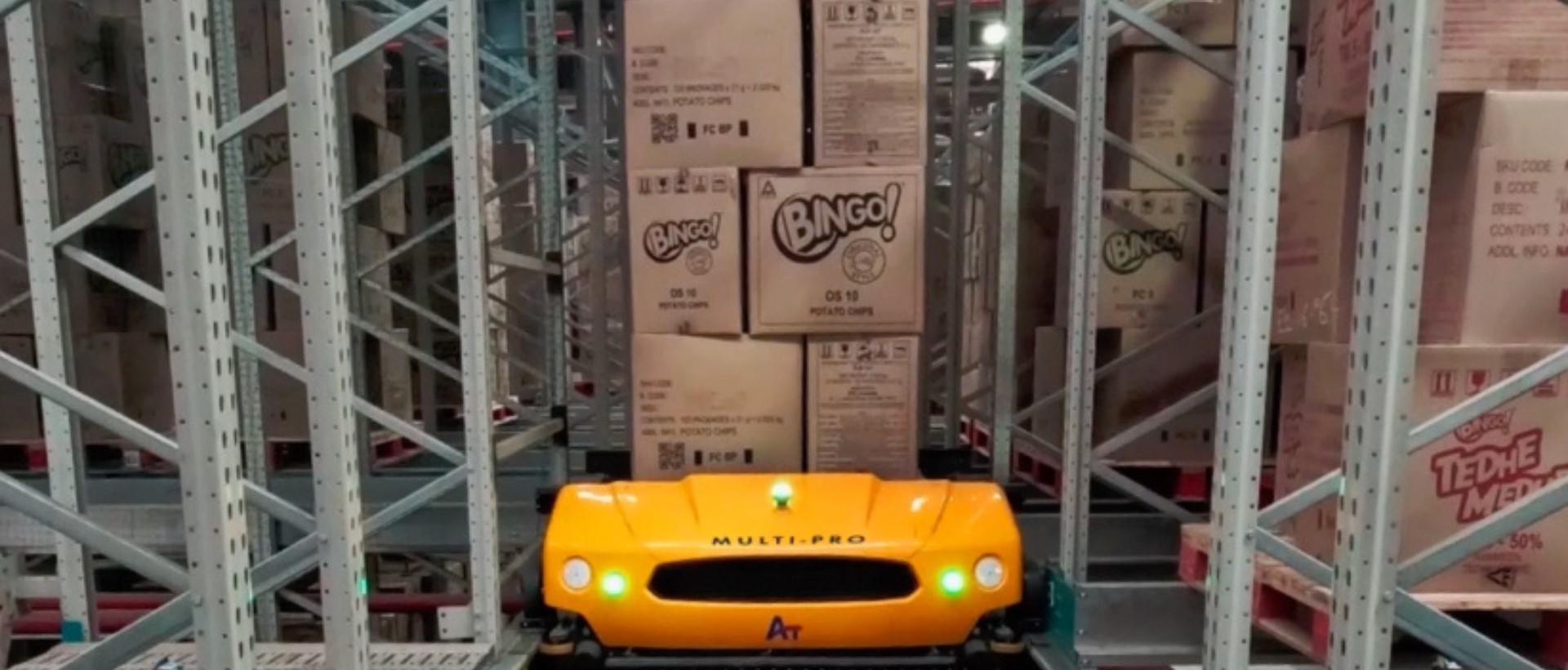
Addverb’s Mother Child Shuttle and 4 Way Pallet Shuttles, provide temperature-controlled dense storage for full pallet and case picking with FIFO/FEFO compliance resulting in minimal spoilage. Solutions like carton shuttles provide high-density carton storage in pick ready format, which also helps in faster each (unit) picking. Together, these systems improve warehouse throughput and optimise buffer storage across diverse SKU profiles.

Addverb’s software suite delivers real time inventory and expiry management across all zones and sales channels. It ensures data consistency and enforces FEFO/FIFO protocols to minimise waste and errors. It integrates with existing ERP systems and improves demand forecasting and enable seamless omnichannel management.

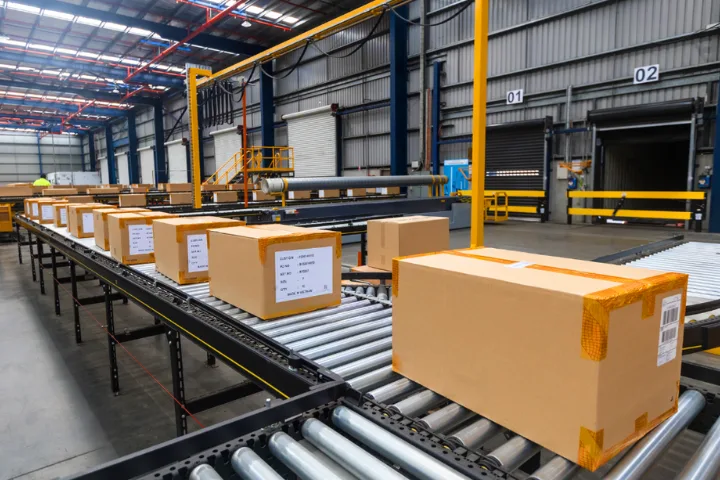
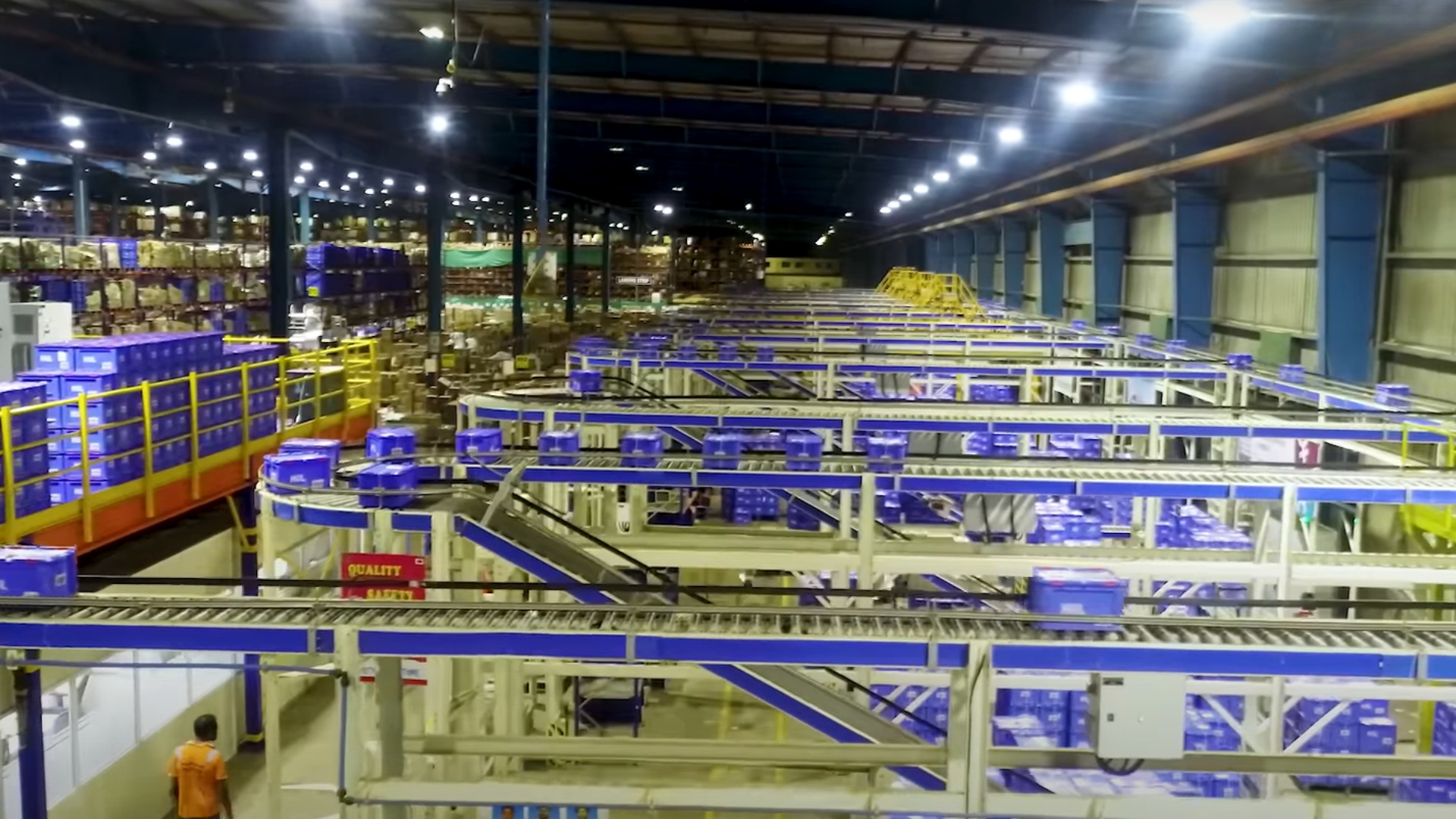
Our Pick to light sorting solution combined with conveyers provide a scalable solution for low throughput scenarios. This streamlines the replenishment of local stores and darkstores based on location-specific order consolidation. This helps respond quickly to hyperlocal fulfilment needs.

Our Horizontal Carousel automation system (HOCA) and GTP stations + Carton shuttles offers unit picking, enabling a compact, ergonomic solution for high throughput, low ceiling height and multi-SKU operations. It reduces picking overhead, speeds up fulfilment and ensures order accuracy. Its design eliminates double counting and forecasting errors, making it reliable choice for fast-paced grocery distribution centres.

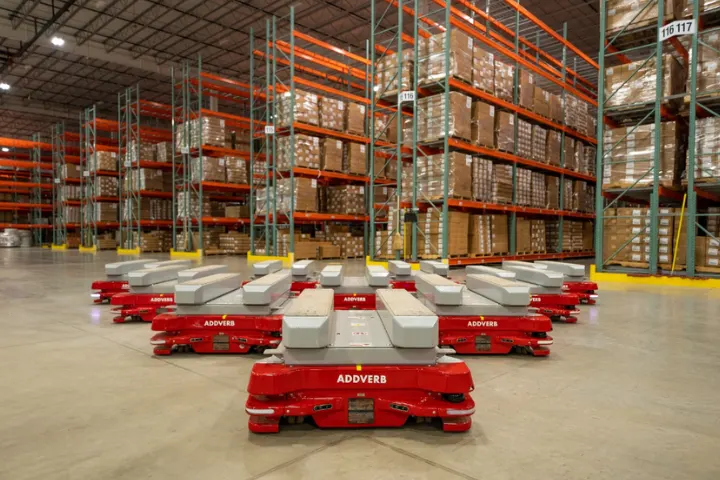
Addverb's autonomous mobile robot (AMRs) and robotic pallet mover navigates warehouse aisles handling loads up to 2500 Kgs without human intervention. These robots streamline pallet transfers across inbound, outbound and reverse logistics zones, take care of final sortation of boxes by case conveyers, reducing manual bottlenecks and improving route efficiency movements.

Addverb’s Digital Twin platform simulates warehouse operations using real-time data to model inventory flow, seasonal demand shifts and operational bottlenecks. It enables proactive planning for SKU surges, Quick commerce fluctuations and dark store expansions by visualising and ensuring smooth integeration.

Solutions Finder

Your biggest challenge?
Low margins and demand fluctuations
Omnichannel – all issues as these must handle both systems, balancing inventory
Fulfillment, packing and holding, cases vs individual is a beast to manage
Managing sequencing challenges to ensure quick commerce
Perishable items requiring cold storage  

Download our Brochure

Download

Are you looking for a solution?

Contact Us

Why Choose Addverb?

Empowering Industries with Automation

With the rise of multiple store formats, Grocery warehouse industry needs distribution centre automation solution to improve order accuracy, increase efficiency, and reduce operational costs. Read our case study to understand innovative solutions offered by Addverb

...
Featured blog
Automation in the Food and Beverage Industry

The food and beverage industry stands at the forefront of a transformative wave powered by robotics in an age where technology continuously reshapes our world. Robotics is revolutionizing every facet of food productio...

Products for Grocery

Our extensive product portfolio helps us design customised solutions for varying industry requirements.

Other Industries

Frequently Asked Questions

  • 1. What factors determine the cost of automating a grocery warehouse?

    The cost depends on warehouse size, temperature zones (ambient, chilled, frozen), SKU variety, and order throughput. Grocery operations have strict freshness, expiry, and segregation requirements, so automation solutions are custom-designed for each facility. For an exact cost estimate, please get in touch wih our experts.

  • 2. How long will the automation process in grocery fulfillment take?

    Lead time depends on the storage zones and the SKU rotation's velocity for fulfillment complexity. Modular processes, such as automated palletizers or storage and retrieval systems (ASRS) are feasible, such as modular systems for high-velocity SKUs, or AMRs for replenishment to stores, can go live in a matter of months, and phased roll-outs can allow continuous operations in different temperature zones.

  • 3. Will automation work for perishables, frozen, and fast-moving grocery SKUs?

    Yes. Addverb has cold chain compatible AMRs, palletizers, and ASRS systems in multi-temperature zones. Our systems pick products based on FEFO or expiry-based picking, and can handle perishables frozen products, including temperature-controlled processing for fresh and perishable products.

  • 4. How will grocery warehouses manage higher demand from special events, festivals, and weekend spikes?

    Addverb has modular robotic picking systems and fleets of AMRs that can increase throughput during events like black Friday, Thanksgiving, or summer outdoor season surges. Intelligent batching and APC Pick modules can be re-programmed to operate efficiently, improving flexibility in higher demand situations.

  • 5. Can automation support omnichannel grocery operations (store + online)?

    Yes. Addverb’s automated systems enable simultaneous handling of store replenishment, dark-store picking, and online order processing. Integrated software coordinates bulk movement, micro-fulfillment, and last-mile ready orders—delivering high accuracy and faster fulfillment for omni-channel grocery retail.