



ON THIS PAGE
Why do only 20% of the 200,000+ large warehouses in the United States have automation, and what’s holding the rest back?
The answer is, of course, layered and somewhat complex. Niche industry requirements, a perceived distrust of “robots,” and the list goes on. It is estimated that in the United States, there are over 190,000 warehouses with an average size of 218,000 square feet. There are also over 1 million warehouses in the U.S. when the average size drops to around 17,000 square feet.
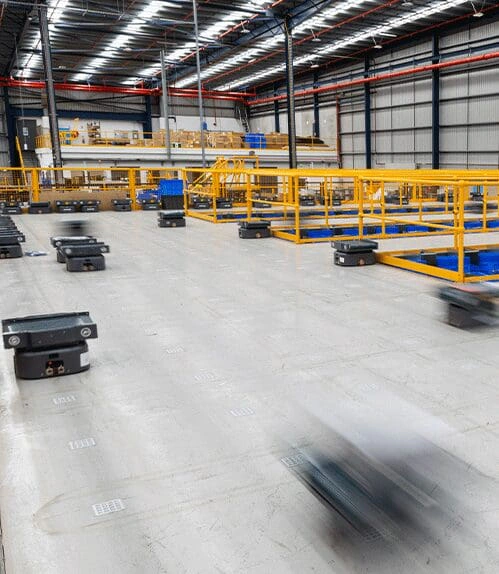
One of those perceived “barriers” to automation is the belief that introducing automation will disrupt, slow down, or stop current operations from serving existing customers and meeting daily order requirements. This blog aims to dispel that myth by highlighting the advantages of implementing warehouse robotic automation through a phased implementation approach within effective warehouse planning.
Why Is Warehouse Planning Critical Before Implementing Automation?
Effective warehouse planning ensures that automation delivers real operational value instead of creating new inefficiencies. Without proper planning, businesses often face disrupted workflows, poor layout utilization, and underperforming automation systems.
By aligning warehouse layout, process flow, and capacity planning, organizations can implement automation in phases while maintaining operational continuity and preparing for scalable growth.
Prior Warehouse Planning vs No Planning: Key Differences
| Differentiators | Without Warehouse Planning | With Warehouse Planning |
|---|---|---|
| Process Flow | Bottlenecks and delays | Optimized warehouse process flow |
| Layout Efficiency | Poor space utilization | Efficient warehouse layout design |
| Automation Fit | Misaligned systems | Proper integration of ASRS, AMR, and other warehouse solutions. |
| Scalability | Difficult to expand | Supports phased implementation |
| Operational Continuity | High risk of disruption | Smooth, disruption-free operations |
6 questions you should ask while planning Warehouse Automation?
Addverb prides itself on helping clients solve highly complex challenges. Whether working on a new greenfield build or an existing brownfield operation, one of our team’s primary goals is to implement software and hardware solutions that are strategic, tailored to specific requirements, and remain disruption-free for existing operations.
Below are six key warehouse planning questions that help warehouse distribution professionals automate operations while maintaining ongoing performance:
1. How to identify operational bottlenecks that can be automated?
Conduct a needs assessment internally to analyze current workflows, identify pain points and bottlenecks, and ensure you have measurable benchmarks for your current operation and your future warehouse capacity planning goals and warehouse process flow.
2. How to choose the Right Automation Partner for your Warehouse?
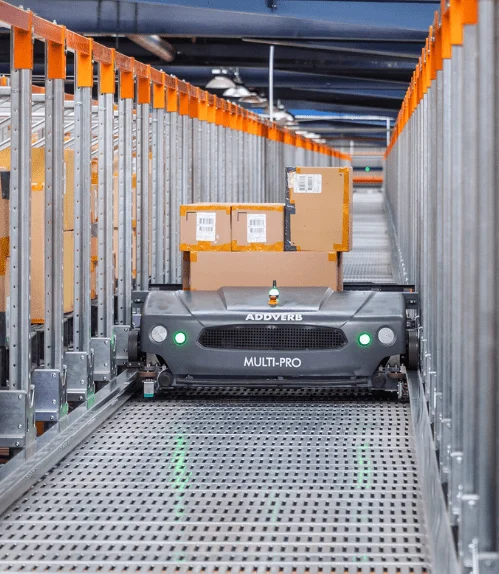
A true partner like Addverb can help solve challenges in unique ways, conduct site reviews for optimal warehouse layout design and warehouse floor plan efficiency, and recommend solutions such as ASRS systems like 4-Way Pallet Shuttle (enabling high-density storage and multi-directional pallet movement) based on operational requirements.
3. How to identify hardware and software needs while planning warehouse automation?
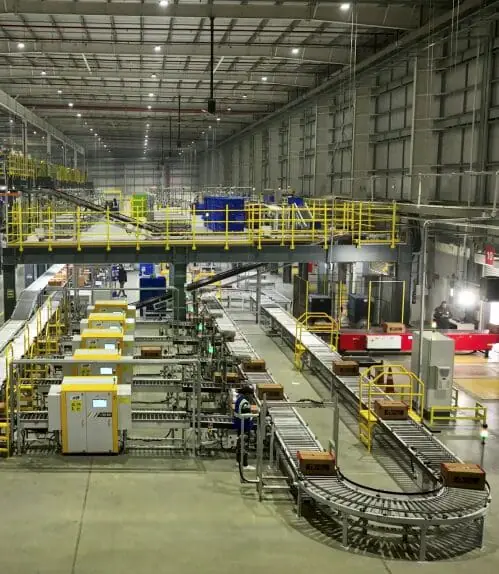
It’s vital to evaluate operations including flow and inventory requirements, ensuring your automation strategy incorporates ASRS solutions, warehouse management system process flow, and technologies like sorting robots for high-speed, accurate material handling to support future growth.
4. Which operations must continue without disruption during automation implementation?
For many existing brownfield warehouse operations, the best way to implement automation without disruption is through an operation-based “needs” approach. Start by automating just your picking, sorting, or material movement.
This phased implementation allows you to improve correct product flow in warehouse operations while maintaining continuity. From there, expanding into other areas becomes easier and more manageable, ensuring a smooth transition across your warehouse floor layout.
5. What should your automation partner know about your warehouse operations?
Communicate your unique operational needs and requirements transparently with your automation partner.
What software will run your entire operations? How easy should training be for new hires? What niche requirements must be followed? What are your goals after automation is installed?
At Addverb, we work with clients from the start to help them assess, solve, and implement transformational solutions aligned with their warehouse planning and warehouse setup ideas.
6. Does your automation partner provide ongoing support post automation?
Having a true partner in automation means having a reliable support team. Our teams act as an extension of clients’ internal teams, whether onsite or remote.
We train your teams and help resolve any issues that arise, ensuring long-term success across your warehouse management process flow and overall warehouse operations.
How does initial planning helps you prevent disruption during automation implementation ?
In summary, effective warehouse planning allows automation to be introduced in phases without disrupting ongoing operations. By aligning warehouse layout, process flow, and capacity planning with real bottlenecks, businesses can improve accuracy, maintain throughput, and scale gradually.
A structured approach helps prioritize high-impact areas like picking, sorting, and material movement, reducing risk and downtime while keeping daily fulfillment stable. This creates a strong foundation for integrating solutions like ASRS, AMRs, and pallet-based systems as operations grow.
Frequently Asked Questions
1. What is the role of warehouse planning in automation implementation?
Warehouse planning helps define layout, process flow, and capacity requirements before automation is introduced. It ensures that systems are implemented in a structured way, minimizing disruption and improving overall efficiency.
2. How does warehouse layout design impact automation success?
A well-designed warehouse layout ensures smooth material movement, reduces travel time, and supports accurate picking and sorting. It also enables better integration of automation systems within existing operations.
3. What is a phased implementation approach in warehouse automation?
Phased implementation involves introducing automation step by step, starting with high-impact areas like picking and sorting. This approach reduces risk, maintains ongoing operations, and allows teams to adapt gradually.
4. How do ASRS solutions support warehouse planning?
ASRS solutions such as pallet shuttle systems and carton shuttles enable high-density storage, faster retrieval, and improved inventory accuracy. They are ideal for optimizing space and supporting scalable warehouse planning strategies.
5. How do AMRs improve warehouse process flow?
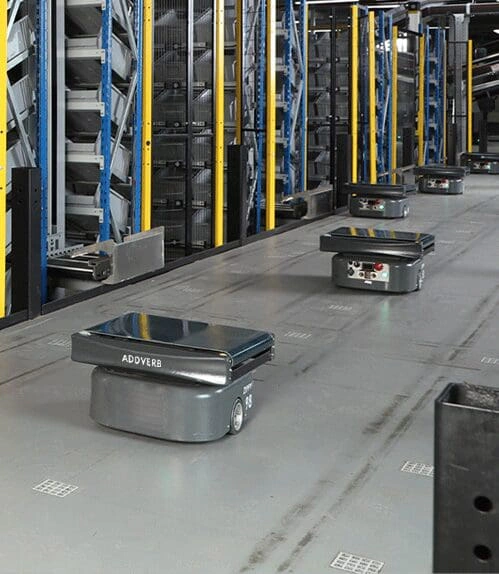
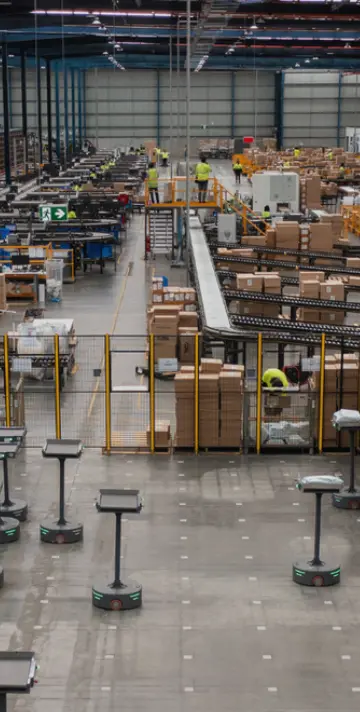
AMRs (Autonomous Mobile Robots) automate internal material movement between storage, picking, and dispatch zones. They improve flexibility, reduce manual handling, and enhance overall warehouse process flow.
6. How do pallet-based automation systems improve warehouse operations?
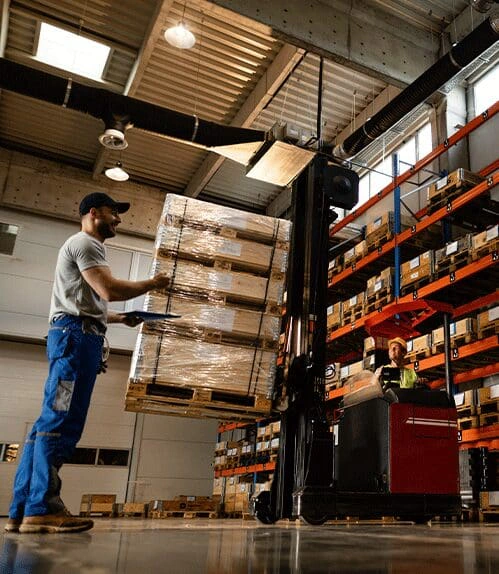
Pallet automation systems help handle bulk materials efficiently by improving storage density and ensuring safe, consistent movement. They are essential for operations requiring structured warehouse racking layout and high-volume throughput.