






Frequently Asked Questions
-
What is a pick-to-light system and how does it work?
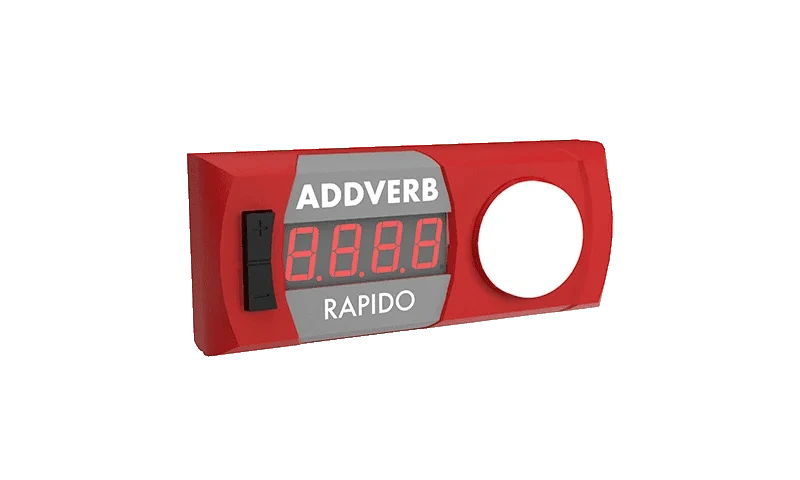
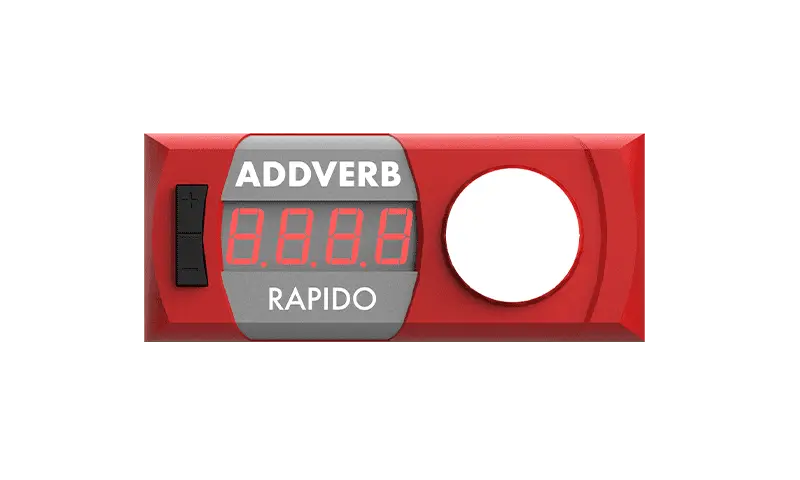
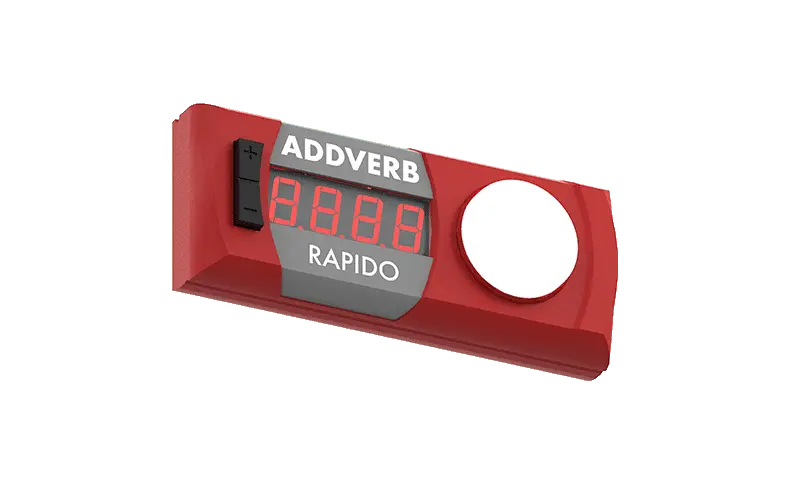
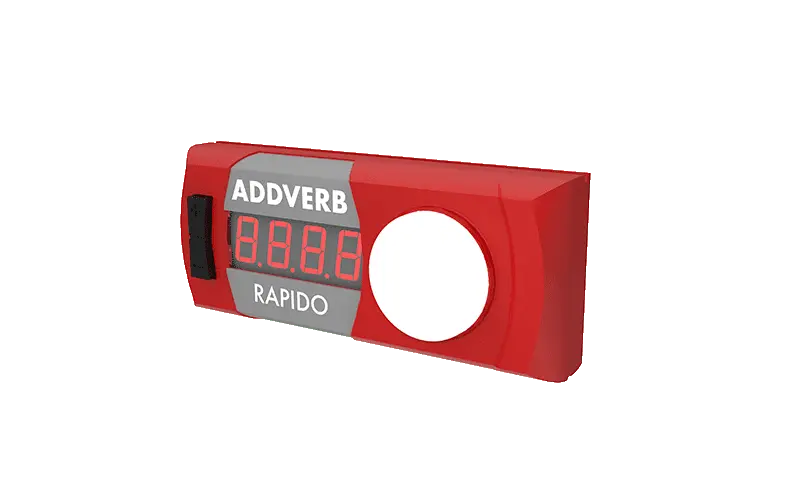
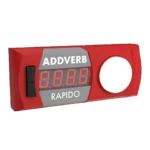
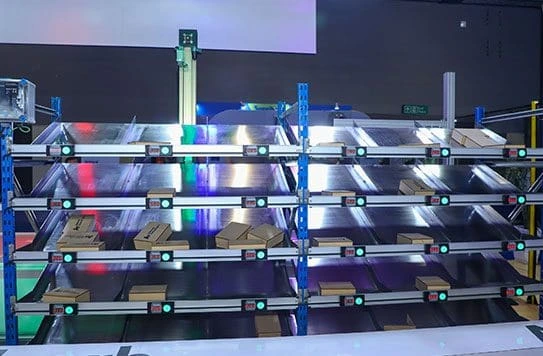
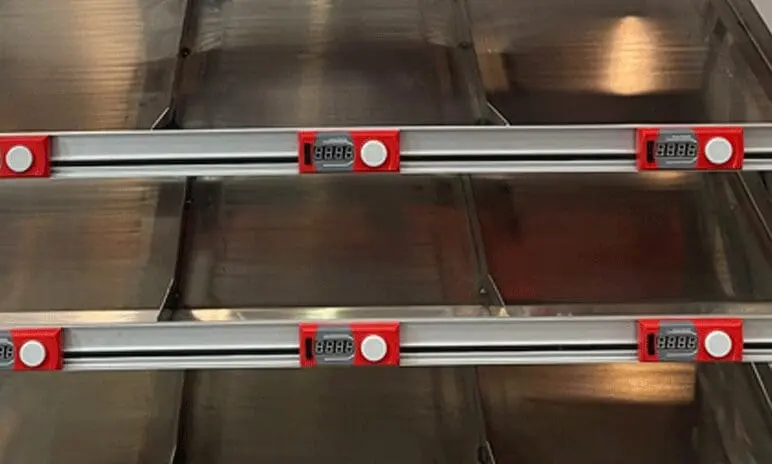
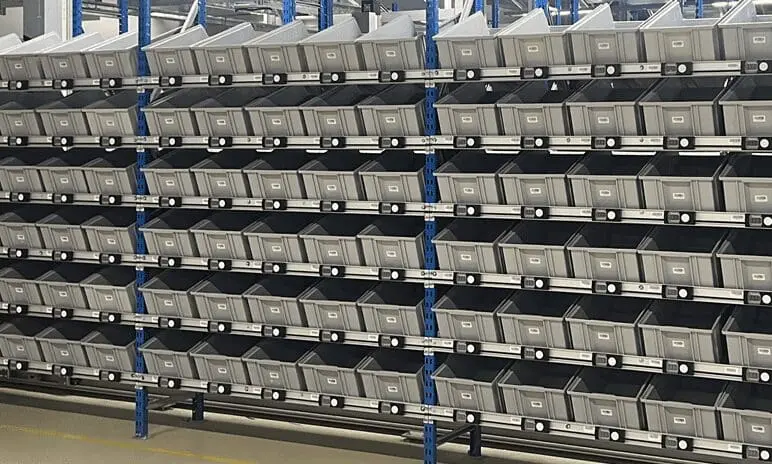
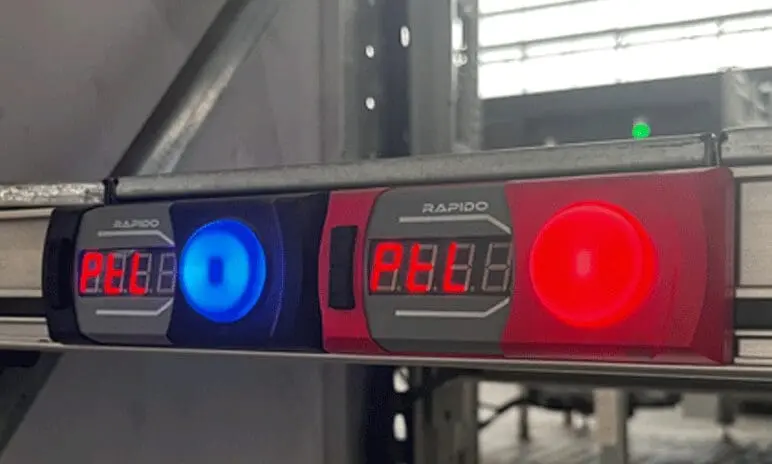
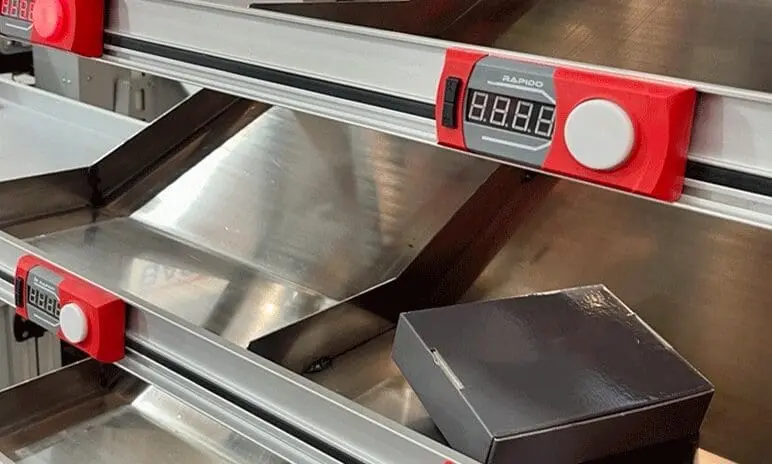
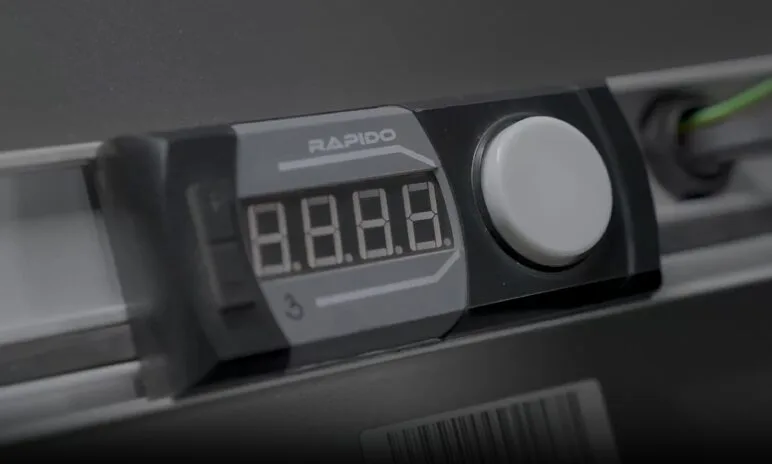
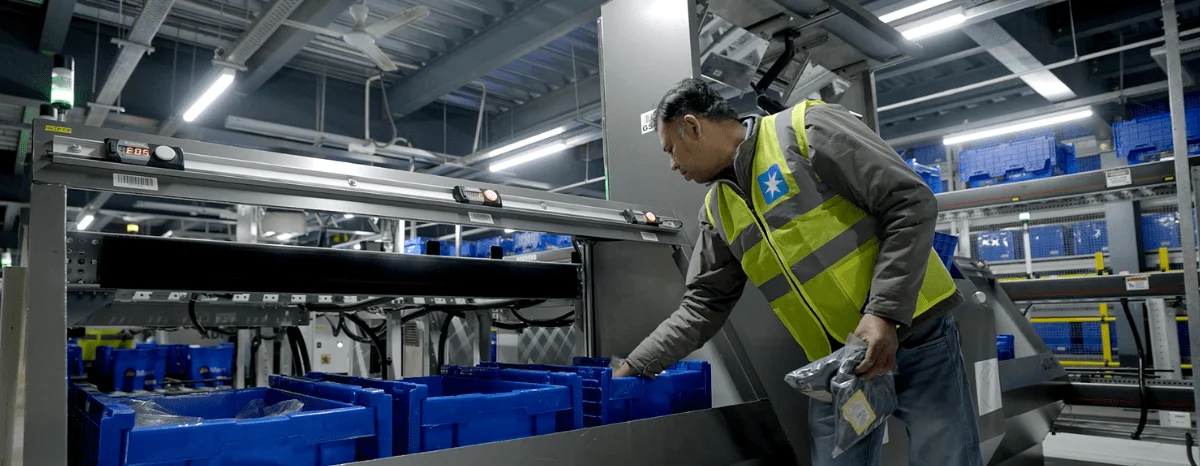
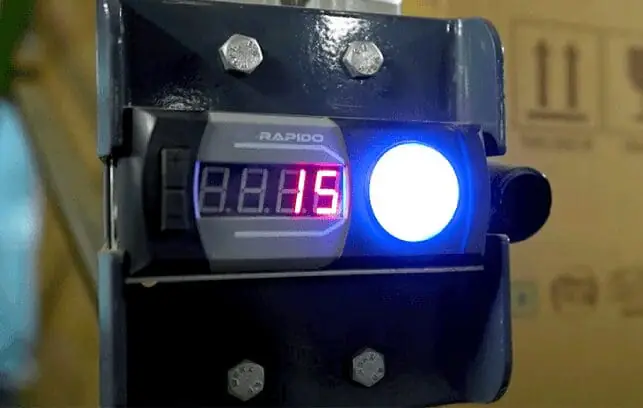
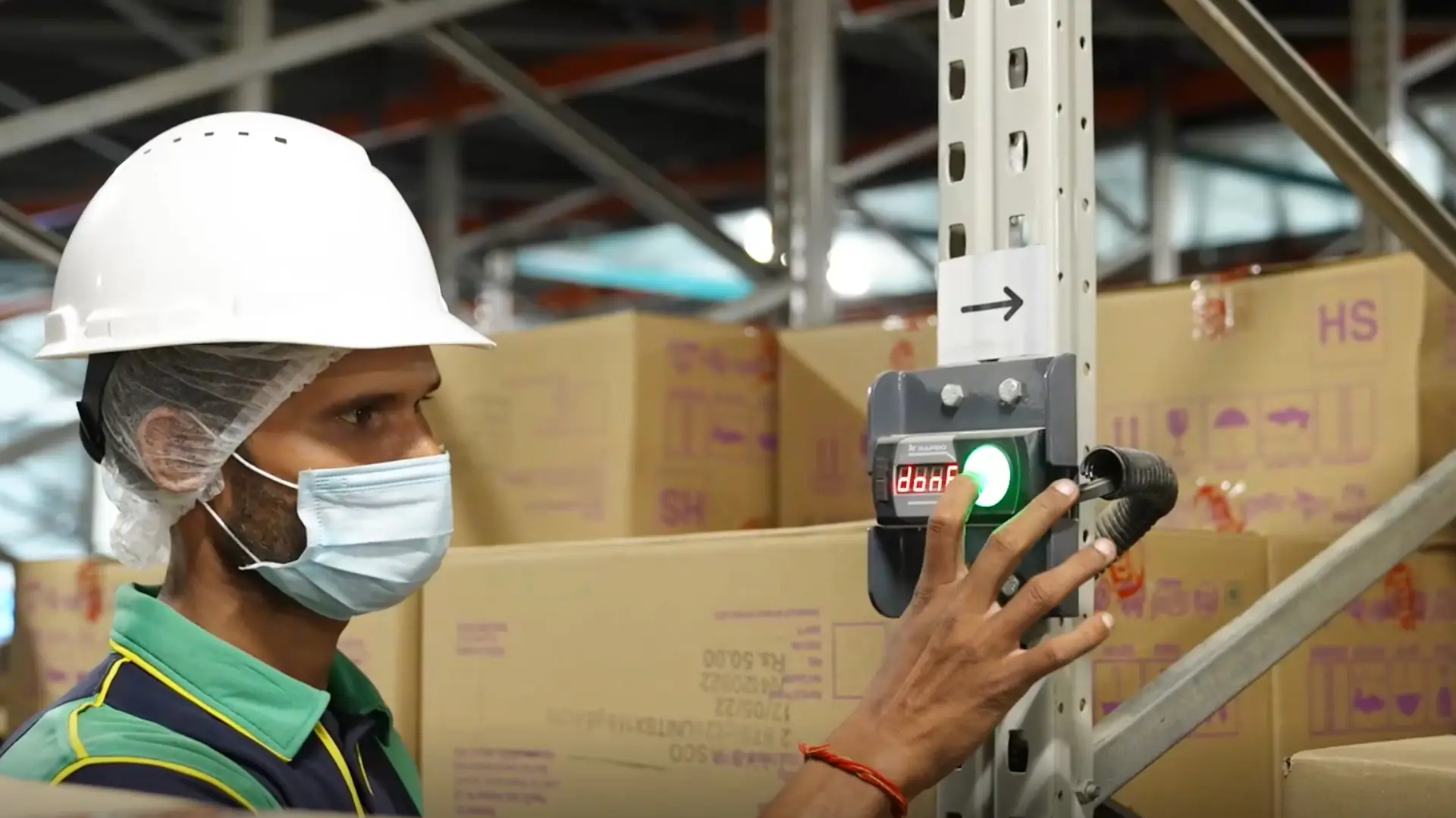
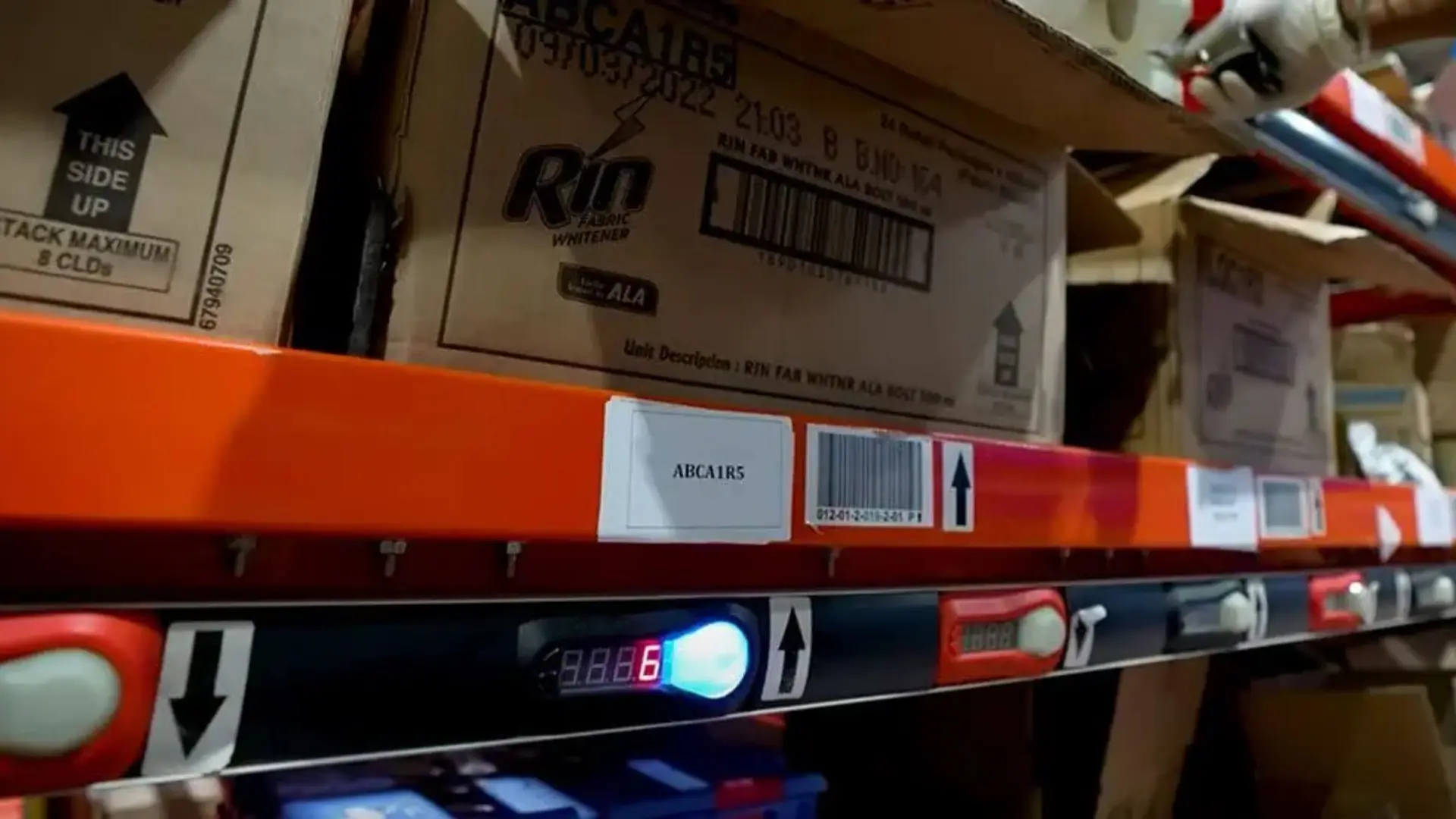
A pick-to-light system is a paperless picking method that places a light module with a numeric display and confirm button at each storage location, so lights guide associates to the right item and quantity. With Addverb's Rapido, scanning an order tote's barcode lights the relevant modules, each display shows how many units to pick, and the associate presses the button to confirm. The same hardware supports picking, sorting and kitting. -
What is the difference between pick-to-light and put-to-light?
Pick-to-light tells associates which location to take items from and how many, while put-to-light tells them which order container or slot to place items into, typically at a sorting or consolidation wall. Addverb's Rapido modules handle both, so the same hardware can guide picking in storage zones and order sortation at put walls. Many sites combine the two, picking in batches and then putting to orders. -
Should I choose pick-to-light, voice picking or RF scanning?
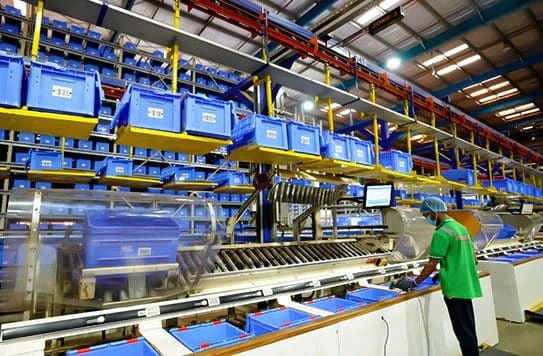
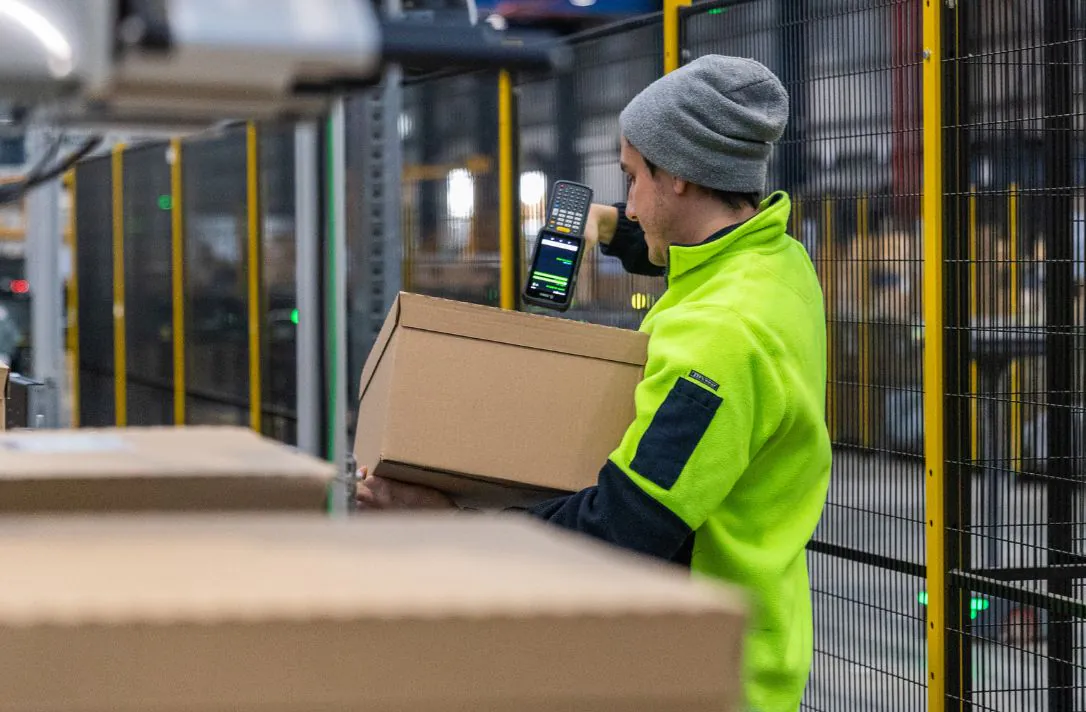
Choose pick-to-light for dense, high-velocity pick zones where associates handle many lines in a small area, voice picking for case or pallet picking across large areas with hands-free work, and RF scanning for mixed, low-volume or changing environments. Pick-to-light removes searching and needs little training. RF has the lowest upfront cost but is slower, so many US DCs use pick-to-light for fast movers and RF for the rest. -
How much training does pick-to-light need, and how does it reduce errors?
Pick-to-light needs very little training, because associates simply go to the lit location, pick the quantity shown and press the confirm button before the next pick is released. That makes it practical for seasonal and temporary staff during peak. Addverb's Rapido uses four alphanumeric digits and seven LED colors, so several associates or orders can work the same zone, each following their own color. -
When is pick-to-light not the right choice?
Pick-to-light is a poor fit for large areas of slow-moving SKUs, because every pick location needs its own module and cost rises with location count, not pick volume. Pick-to-light pays back best on fast movers concentrated in dense zones, while slow movers are usually better served by RF scanning or goods-to-person systems.