













Frequently Asked Questions
-
What is an automated picking system?
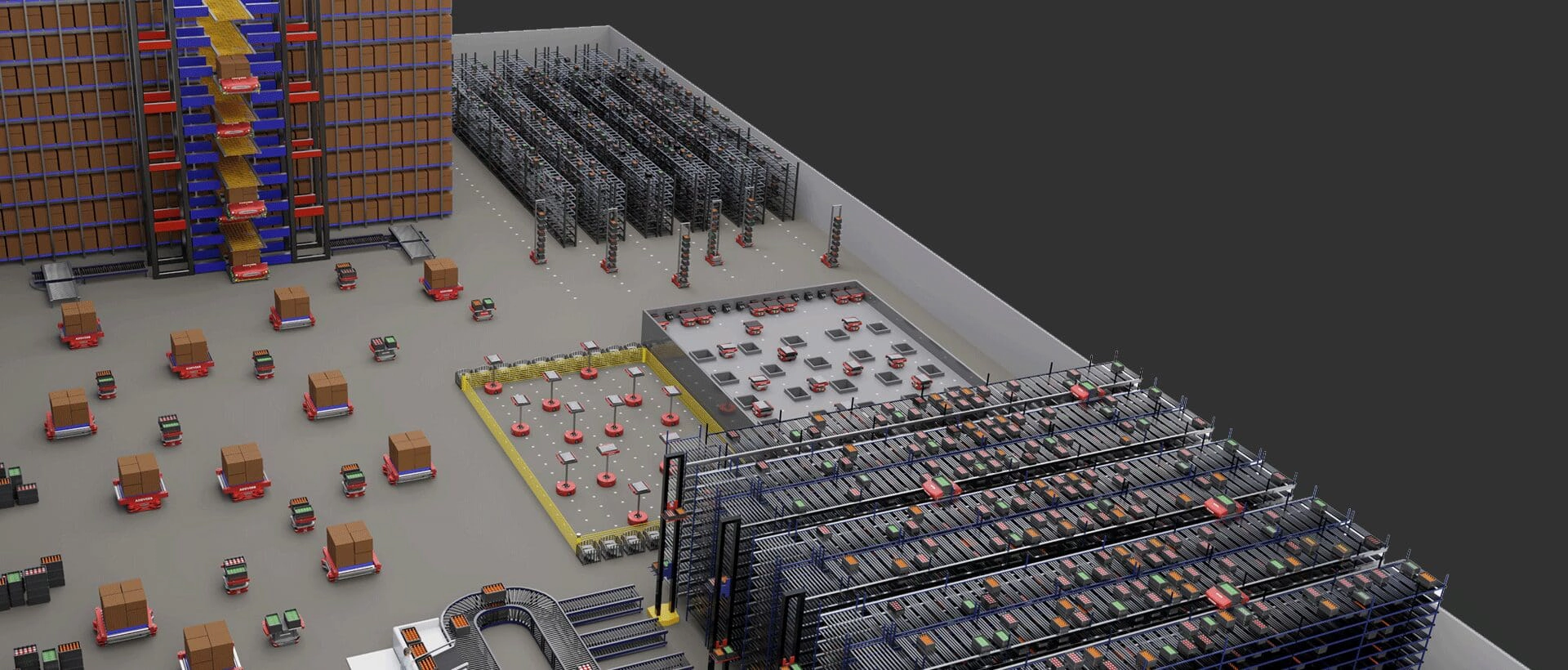
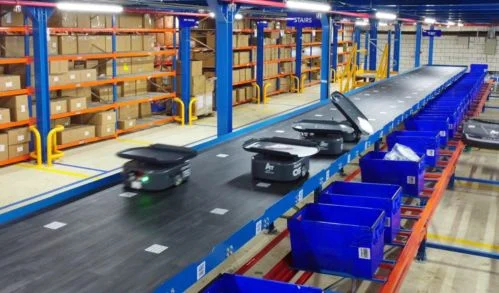
An automated picking system reduces the time an operator spends traveling to and searching for stock, either by bringing items to a fixed pick station or by directing the picker to the exact location with lights. Goods-to-person systems move the inventory. Person-to-goods systems move the picker but remove the search. Both raise lines per hour and cut mispicks compared with paper or handheld picking.
-
What is the difference between goods-to-person and person-to-goods picking?
Goods-to-person brings the item to a stationary operator, so travel time drops to zero and the operator picks continuously from one station. Person-to-goods keeps the operator walking but removes the search, using lights or voice to direct each pick. Goods-to-person suits high line counts across wide SKU files. Person-to-goods costs less to deploy and suits fast-moving zones where travel is already short.
-
How much does pick-to-light improve picking accuracy?
Addverb's picking systems deliver 99.9% accuracy, because the system presents one location at a time and the operator confirms each pick before the next is released. A paper or handheld pick list leaves the operator to find the right bin among many similar ones, which is where most mispicks originate. Light-directed picking removes the identification step rather than adding a check after it.
-
How many order lines per hour can an automated picking system handle?
Addverb's Rapido pick-to-light system supports up to 500 order lines per hour per operator. Actual rate depends on pick density, order profile, and how many lines fall within a single zone. Goods-to-person throughput is governed by how fast the carousel or shuttle can present the next bin, so a pod of carousels serving one operator sustains a higher rate than a single unit.
-
How long does it take to deploy an automated picking system?
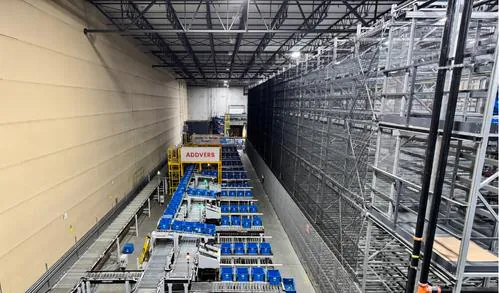
Pick-to-light deploys faster than goods-to-person because it attaches to existing shelving rather than requiring new storage equipment. A zone can be lit and commissioned in weeks. A goods-to-person carousel installation takes longer because the storage equipment itself is installed, and integration with your WMS is usually the longest item on either schedule. Addverb commissions and trains on site across North America.
-
Will an automated picking system work with our WMS?
Yes. Addverb's picking systems connect to your WMS by API to receive order lines and return confirmations in real time, and the native Warehouse Execution System sits between enterprise software and the picking hardware so no custom middleware is required. Addverb software integrates with Manhattan, SAP, Blue Yonder, and Körber platforms, with more than 300 implementations globally and over 20 in the US.
-
Which picking method suits our SKU profile?
Pick-to-light suits fast-moving SKUs in a compact zone where the operator already walks a short distance. Goods-to-person suits wide SKU files where travel dominates the pick, slow-moving items that would otherwise consume pick-face frontage, and operations where floor space is the constraint. Most US distribution centers run both, with light-directed picking on the top-moving SKUs and carousels behind them.
-
When is an automated picking system the wrong choice?
An automated picking system is a poor fit for low order volume with few lines per order, where the equipment cost cannot be recovered against the labor saved. Goods-to-person is also wrong for full-pallet picking, which belongs on a forklift or pallet shuttle, and for very large or heavy items that will not fit a carousel bin. Highly volatile SKU files erode the slotting assumptions that both methods depend on.