


Frequently Asked Question
-
What is automated warehousing?
Automated warehousing involves the use of warehouse automation technologies, robotics, and software to streamline operations, optimize workflows, and execute tasks with greater speed, accuracy, and efficiency while minimizing manual intervention.
-
What are the benefits of automated warehouse robots?
Automated warehouse robots improve productivity, operational efficiency, and space utilization while providing real-time inventory visibility. They also enhance workplace safety, reduce errors, and increase throughput to support peak-season fulfillment demands.
-
What types of warehouse robots are used in automated warehouses?
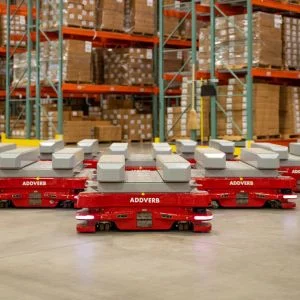
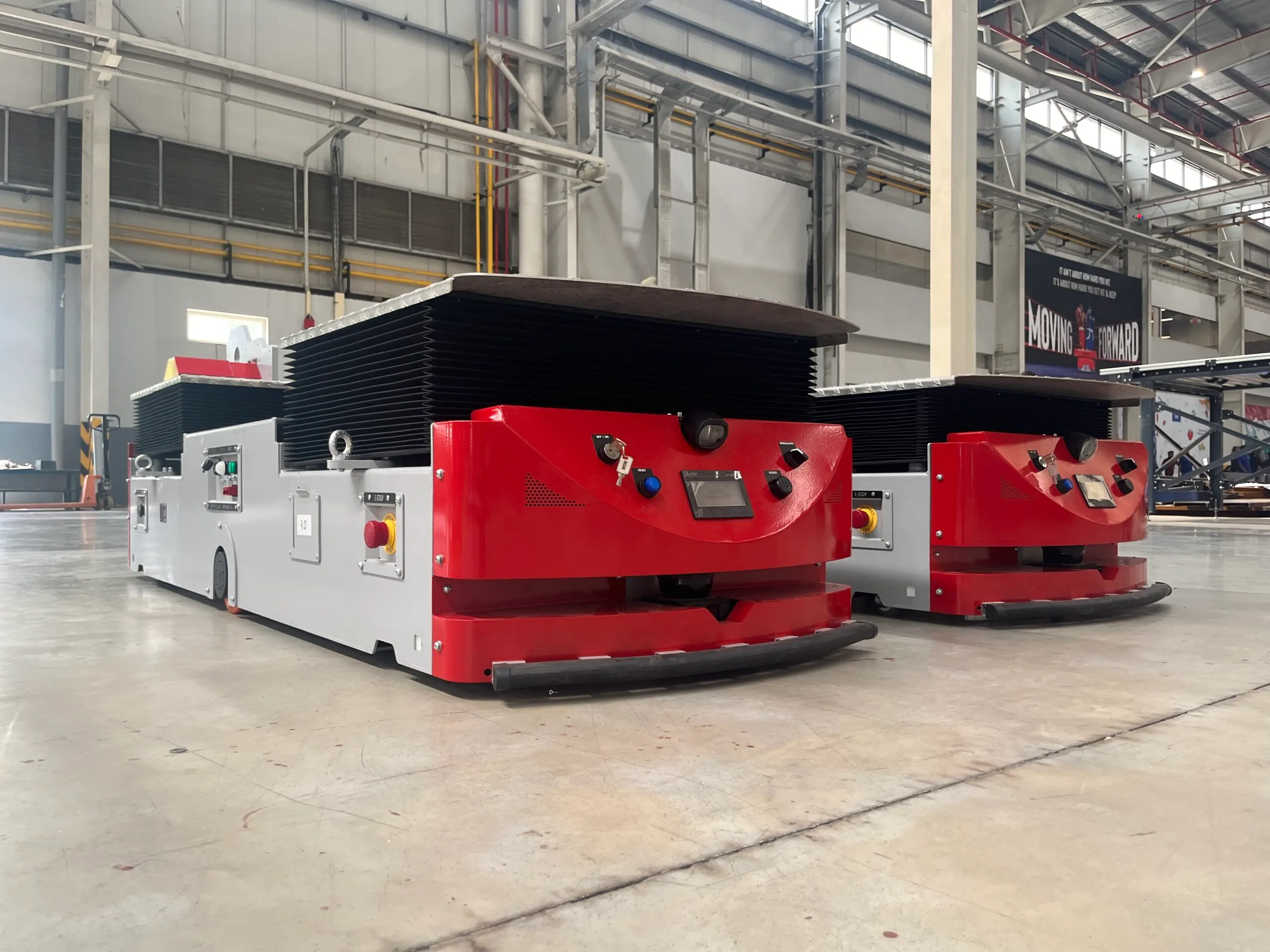
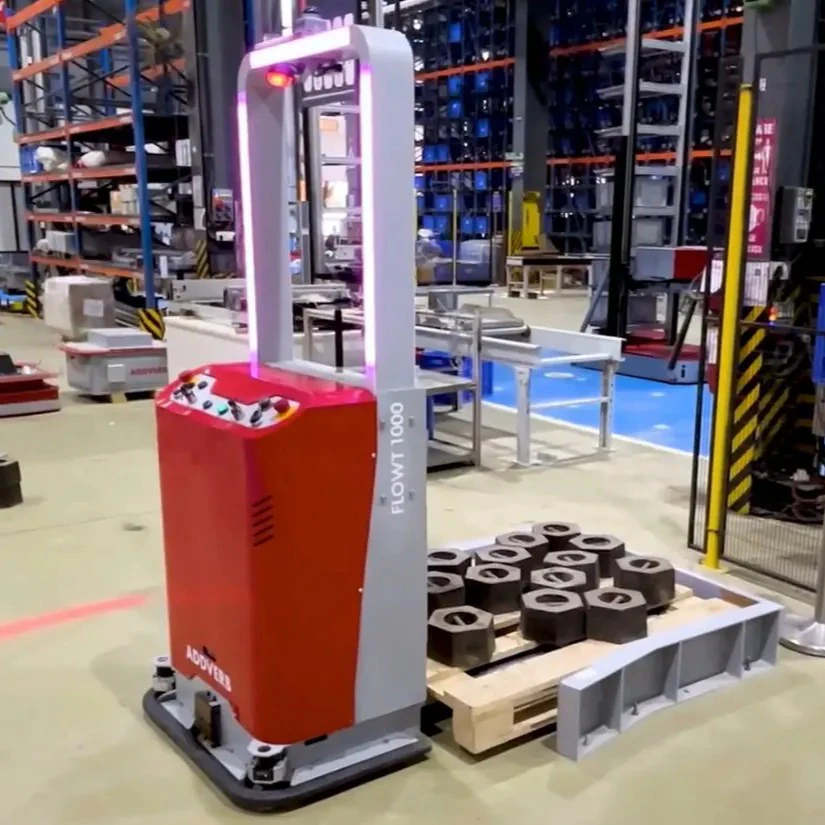
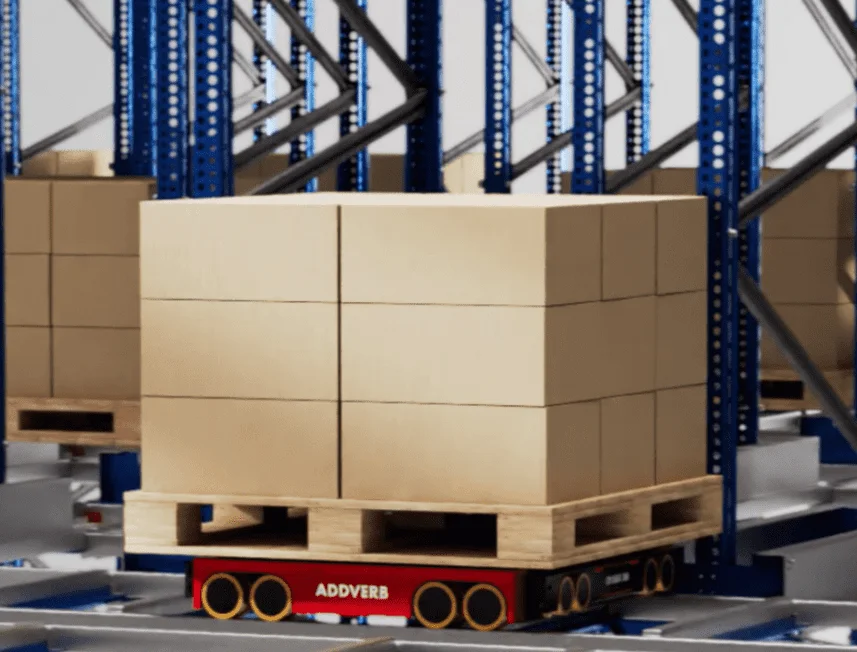
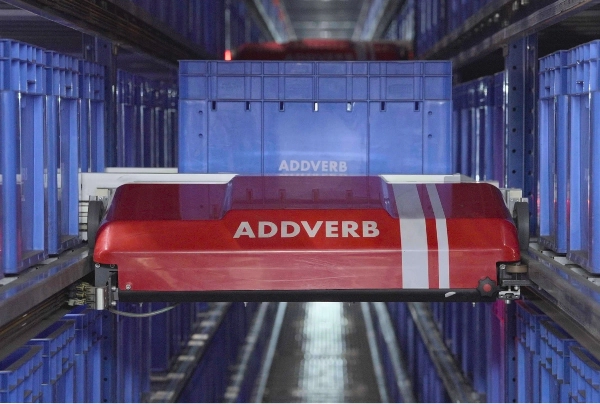
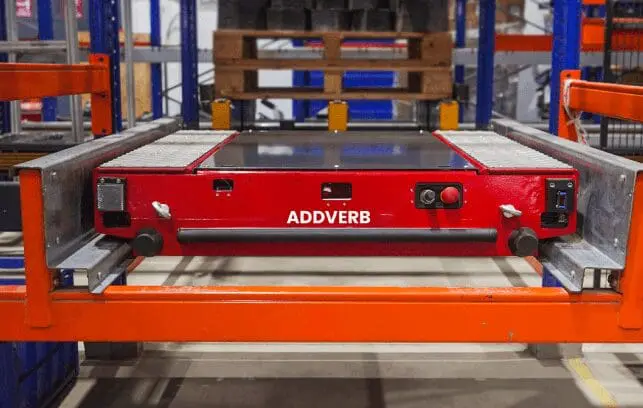
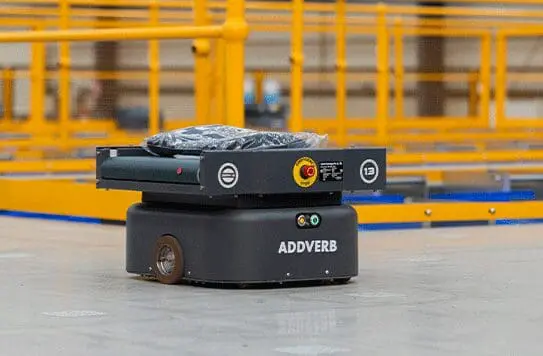
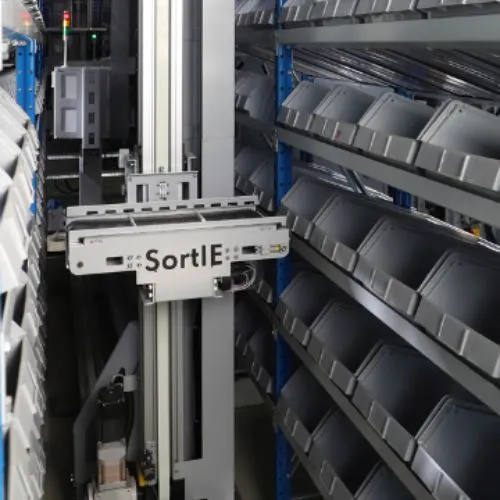
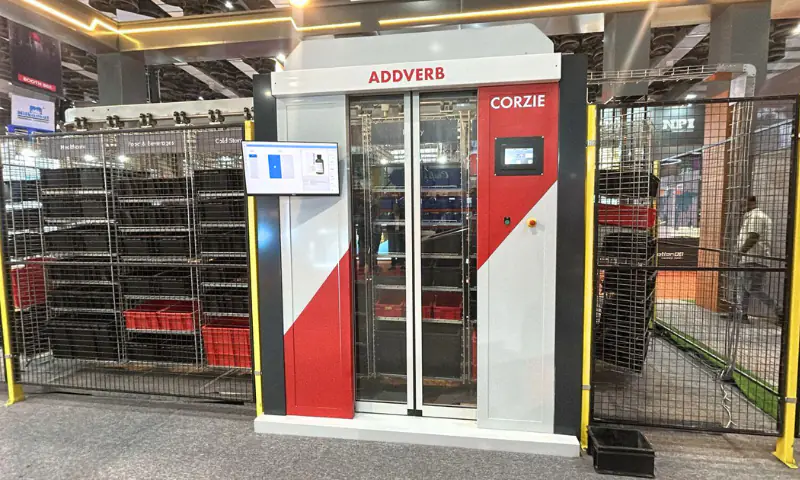
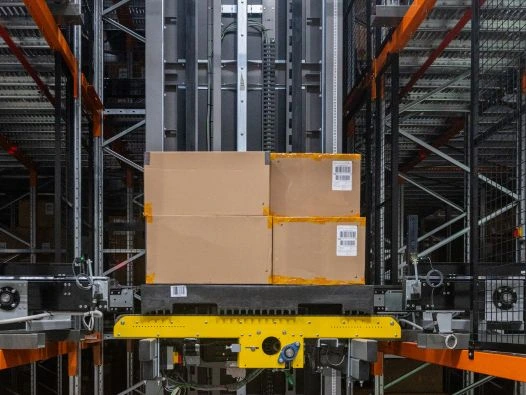
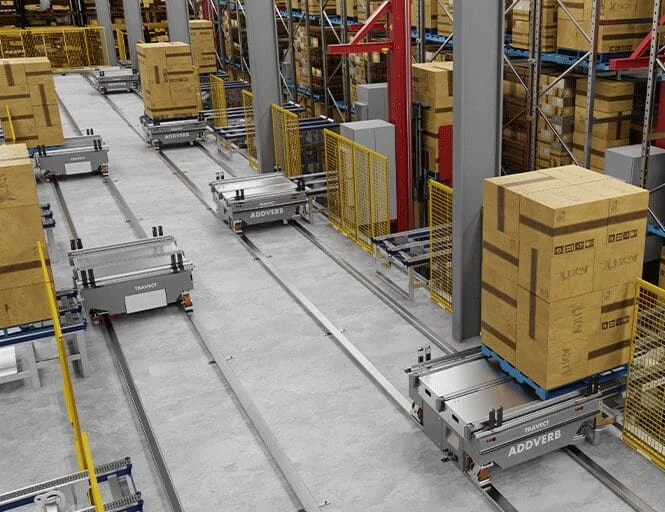
Modern automated warehouses use a variety of robotic systems, including mobile robots, Goods-to-Person (GTP) systems, sorting robots, pallet-moving robots, Automated Storage and Retrieval Systems (AS/RS), and robotic picking solutions. The right combination depends on operational goals, warehouse layout, and throughput requirements.
-
How can warehouse automation help address labor shortages?
Warehouse automation reduces reliance on manual labor by automating transportation, storage, picking, and sortation tasks. This helps distribution centers maintain productivity, improve workforce utilization, and meet growing order volumes despite labor shortages.
-
How does warehouse automation support e-commerce fulfillment?
Warehouse automation increases order accuracy, accelerates picking and sortation, and improves inventory visibility, enabling faster fulfillment and shipping for high-volume e-commerce operations.
-
What is the cost for automating warehouse?
The cost of warehouse automation varies based on factors such as warehouse size, number of robots, software integration requirements, system complexity, customization needs, and ongoing maintenance, training, and support plans.
-
How soon can you realise ROI for warehouse automation?
Warehouse automation requires an initial investment for design, installation, and implementation. However, improved productivity, labor efficiency, accuracy, and throughput can help businesses achieve ROI faster, depending on the scope and complexity of the solution.
-
What are different systems for automated warehousing?
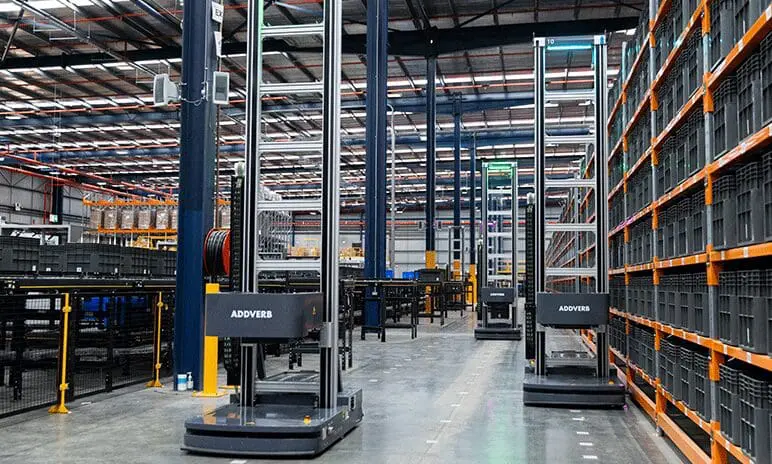
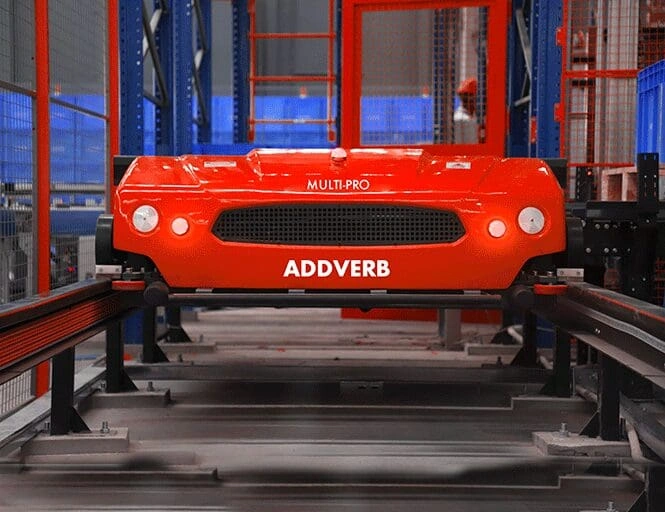
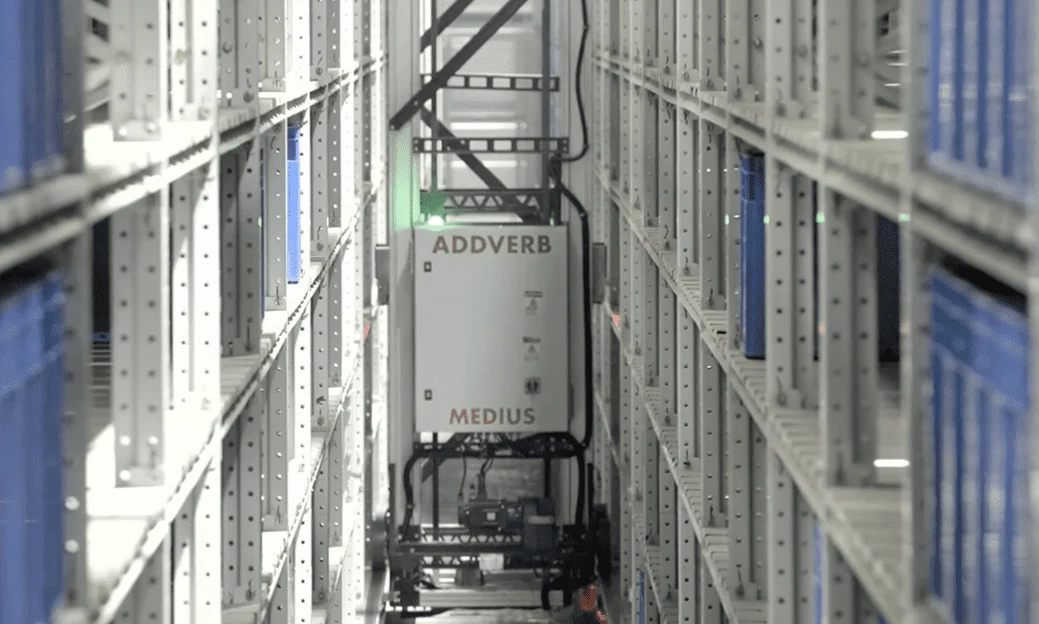
Automated warehousing can include mobile robots, Automated Storage and Retrieval Systems (AS/RS), Goods-to-Person (GTP) systems, sorting robots, conveyor systems, vertical lifts, Rail Guided Vehicles (RGVs), and warehouse software. The best results are achieved when these systems operate together through a synchronized automation strategy.
-
How seamless can Addverb products integerate with existing systems?
Addverb’s warehouse automation solutions and software are designed for seamless integration with existing warehouse management systems (WMS), enterprise platforms, and operational workflows, enabling faster deployment and improved scalability across facilities.
-
Can your warehouse robots work with existing Warehouse Management Systems (WMS)?
Yes. Most of our warehouse robots integrate with existing Warehouse Management Systems (WMS), Warehouse Control Systems (WCS), and Enterprise Resource Planning (ERP) platforms to enable real-time inventory visibility, order tracking, and coordinated warehouse operations.
-
Which industries benefit most from warehouse automation?
Warehouse automation delivers significant benefits across e-commerce, retail, third-party logistics (3PL), manufacturing, pharmaceuticals, food and beverage, automotive, and cold storage industries. Automated systems help improve productivity, accuracy, and order fulfillment performance.