


WhatsApp Chat

Enhancing Performance through Advanced Automated Mobile Robots

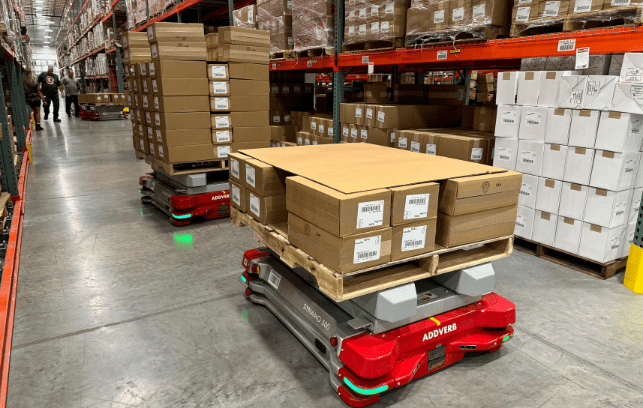
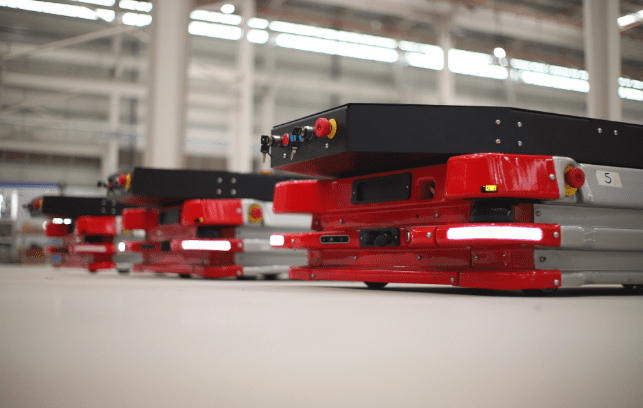
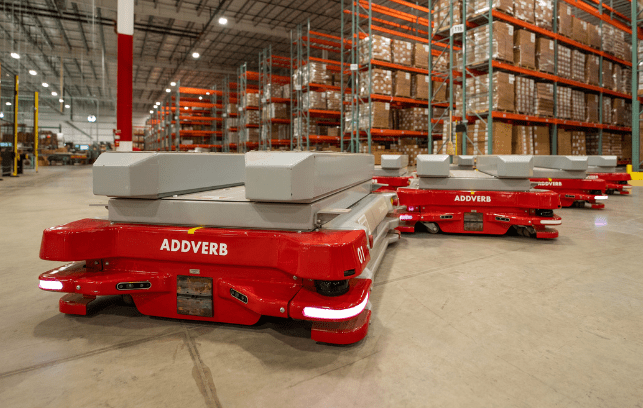
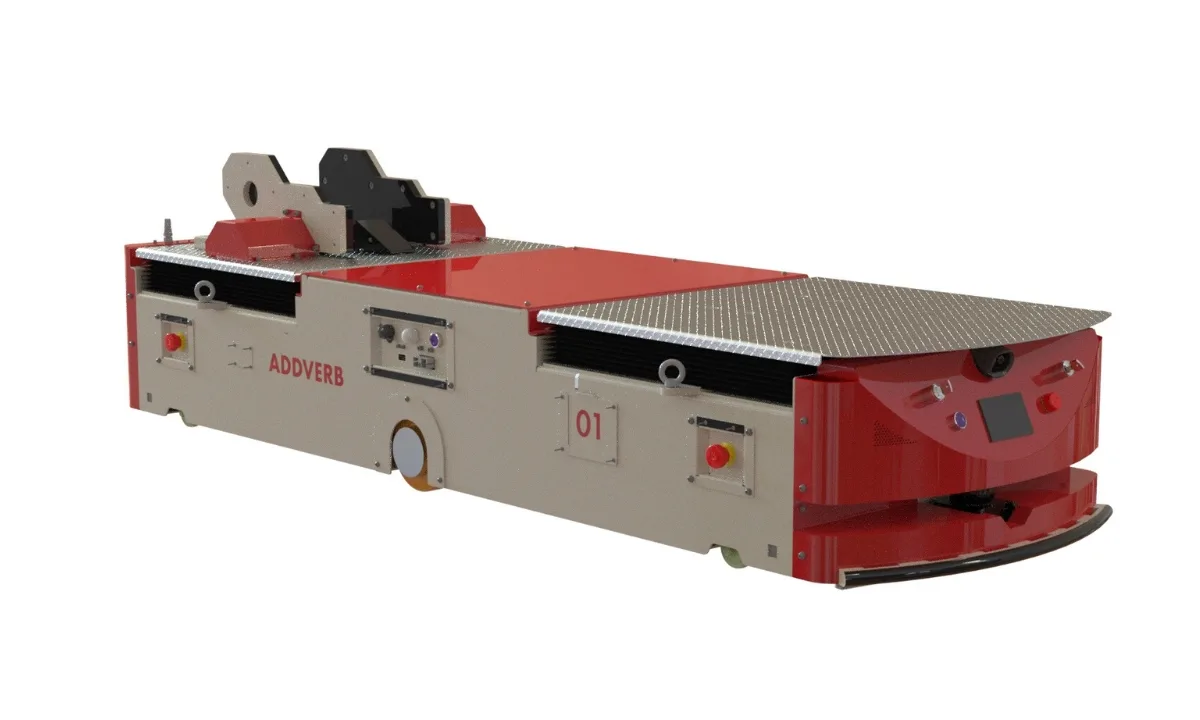
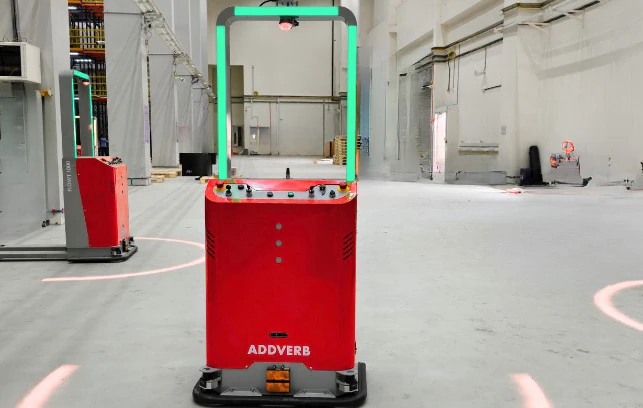
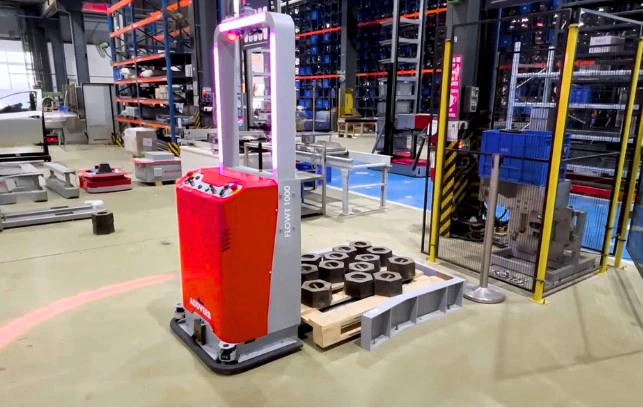
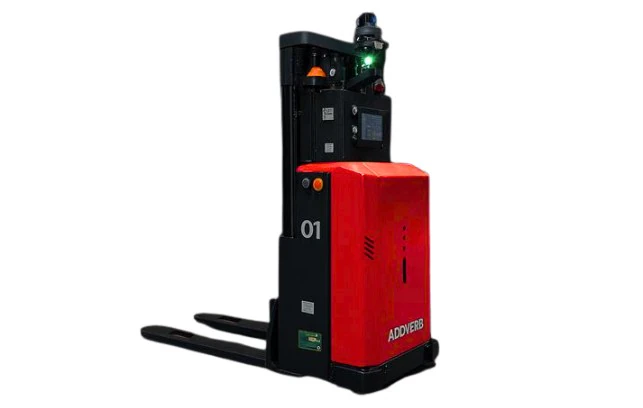
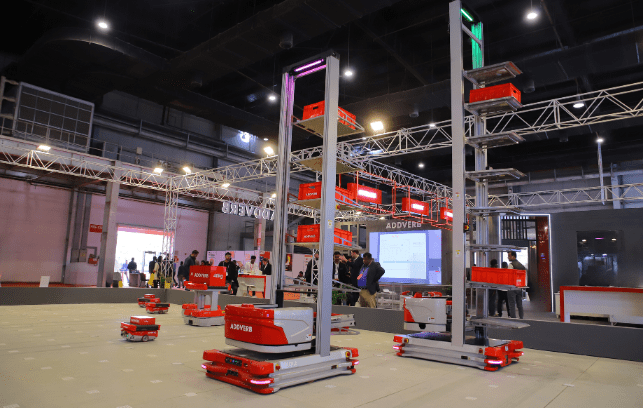
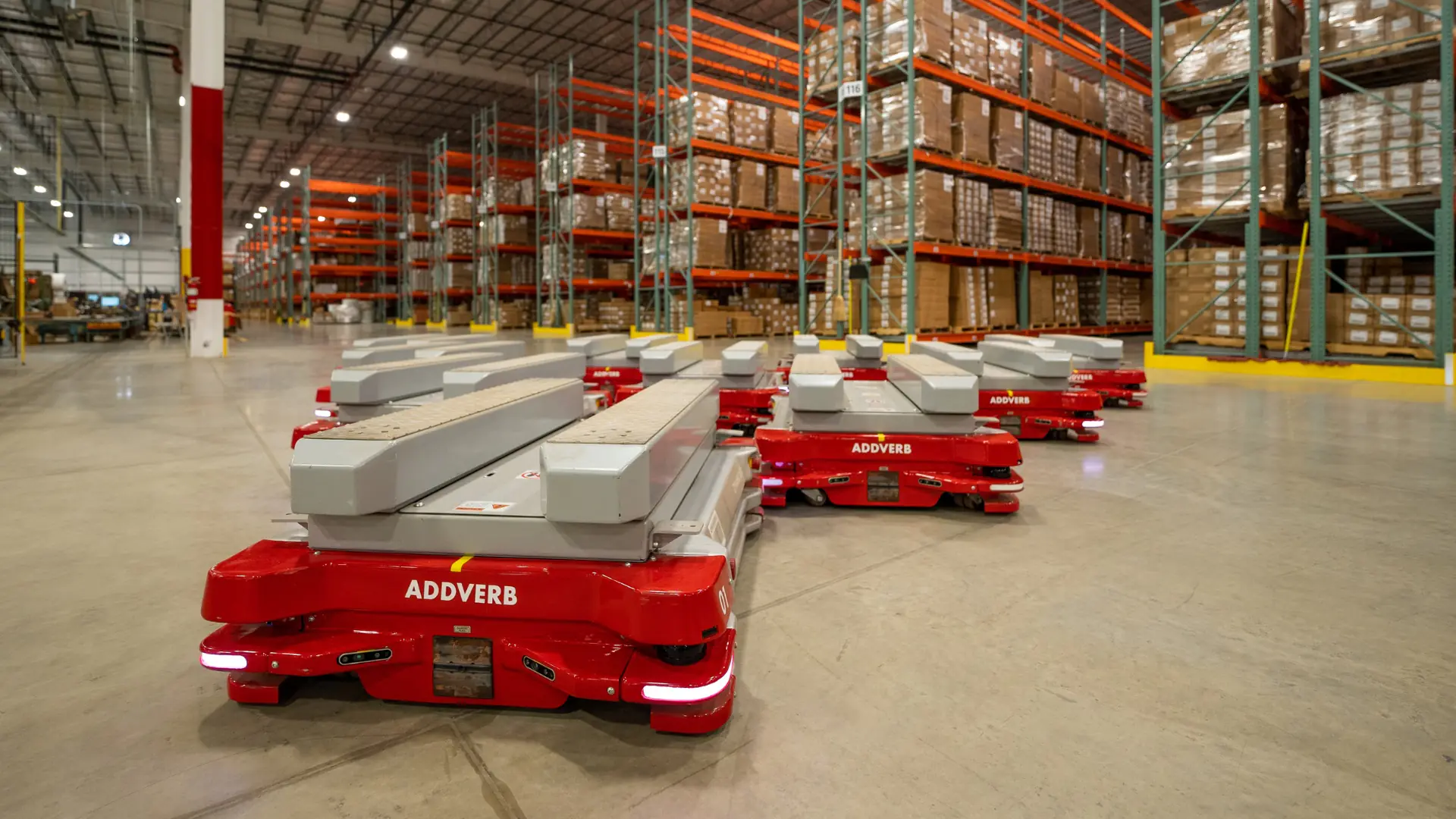
Dynamo, our autonomous mobile robot (AMR), moves loads of up to 3,300 lbs between points in your facility without fixed tracks or wires. It navigates by LiDAR and SLAM mapping, traveling at up to 4.9 ft/s and rerouting around obstacles in live aisles. A compact chassis lets it operate within existing layouts and aisle widths.

Gallery Image
Gallery Image
Gallery Image
Gallery Image
Thumbnail Thumbnail Thumbnail Thumbnail

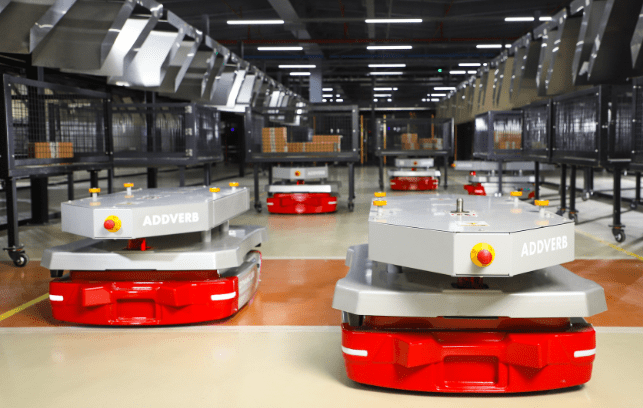
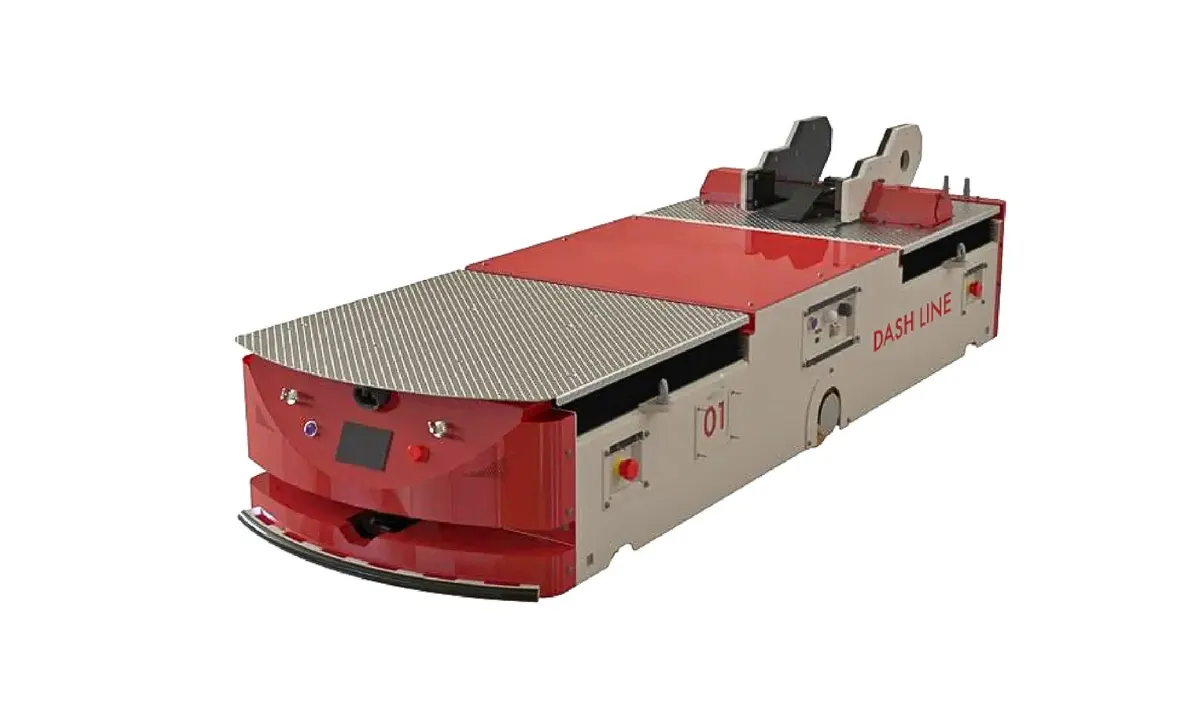
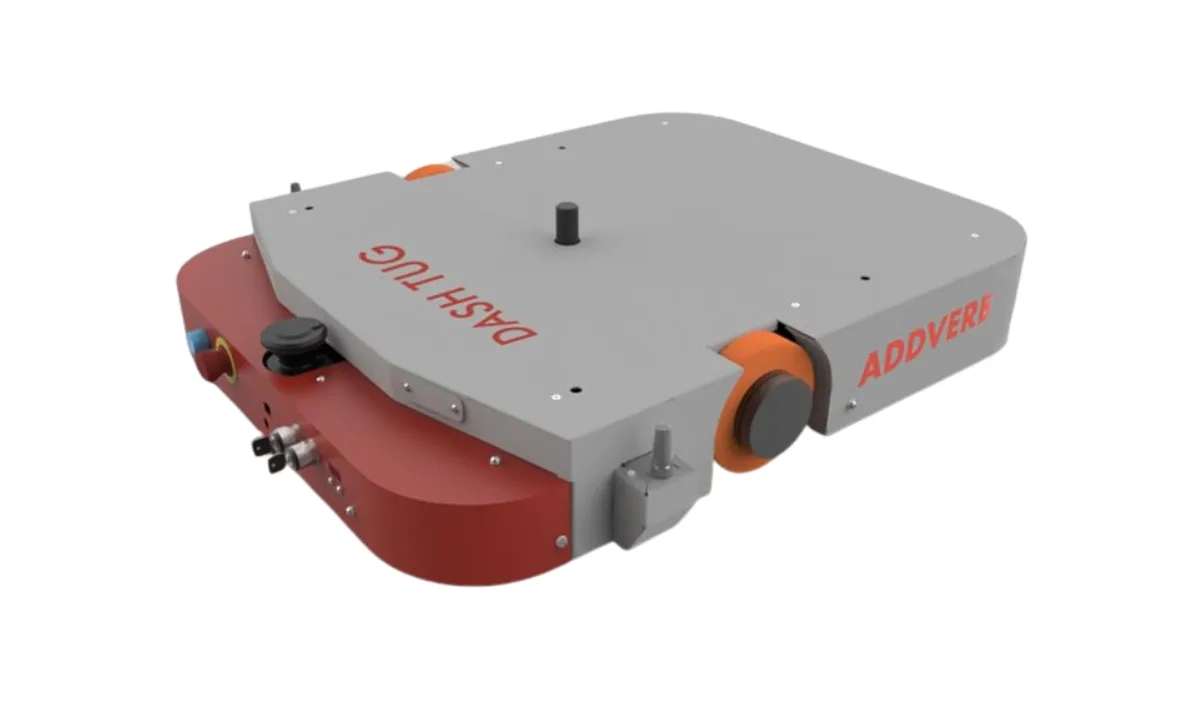
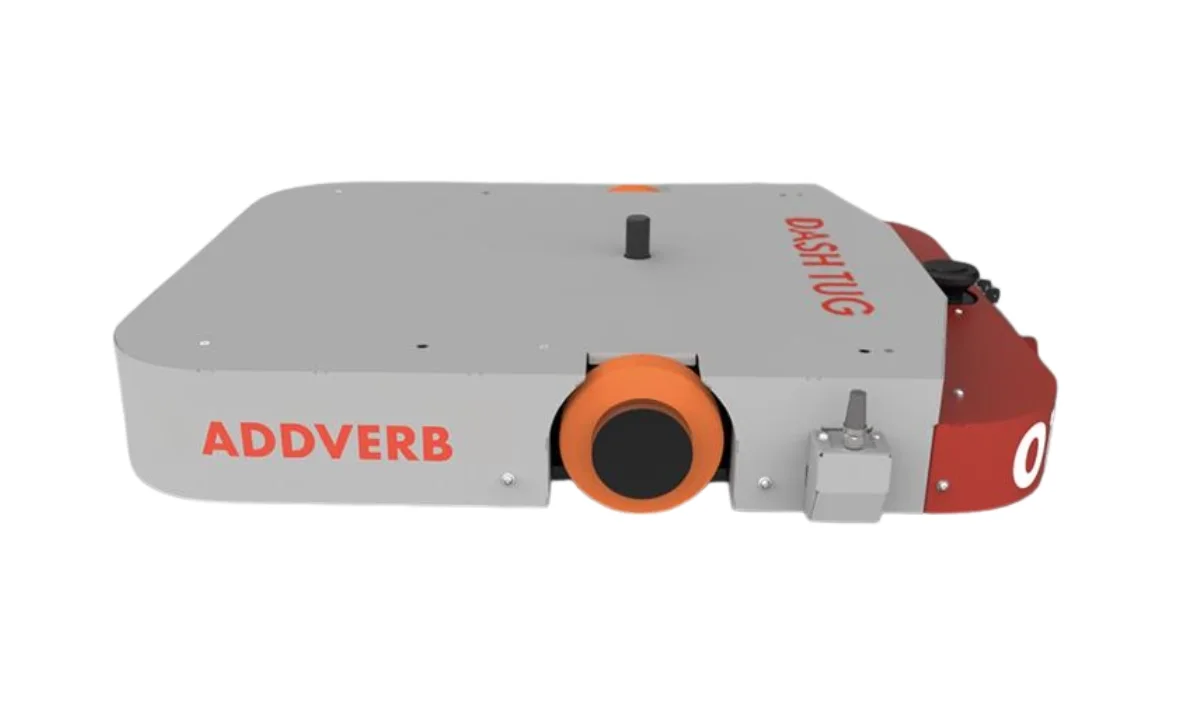
Dash, our assembly line robot, delivers parts and kits to line-side stations, replacing fixed conveyor runs. It follows mapped routes between stations and reroutes when a path is blocked, so a line reconfiguration takes a software change rather than new steelwork. Onboard sensors keep it working safely around operators on the floor.

Gallery Image
Gallery Image
Gallery Image
Gallery Image
Thumbnail Thumbnail Thumbnail Thumbnail

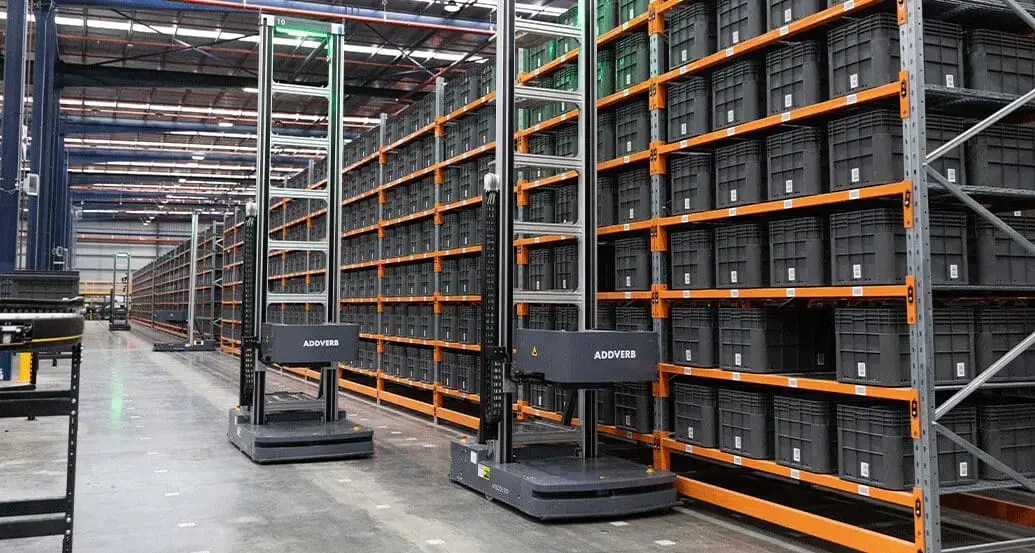
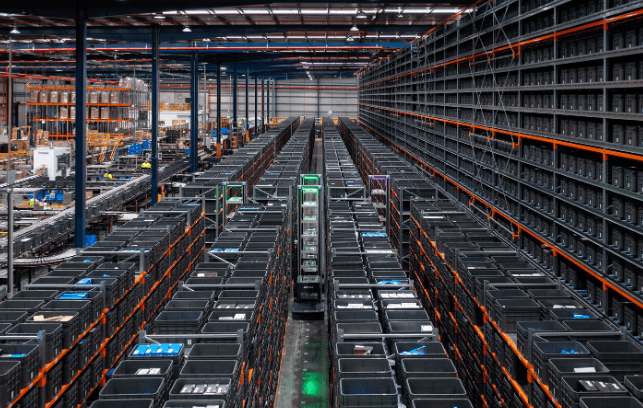
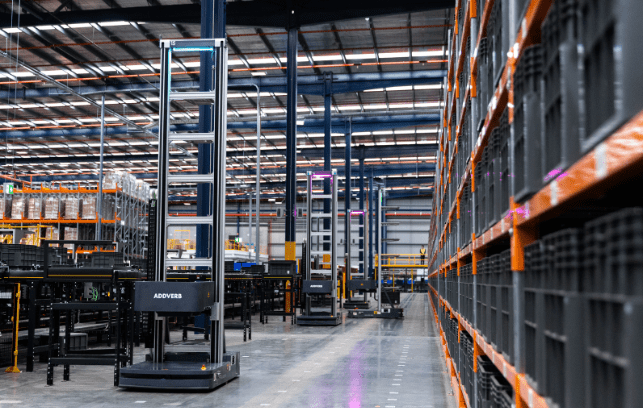
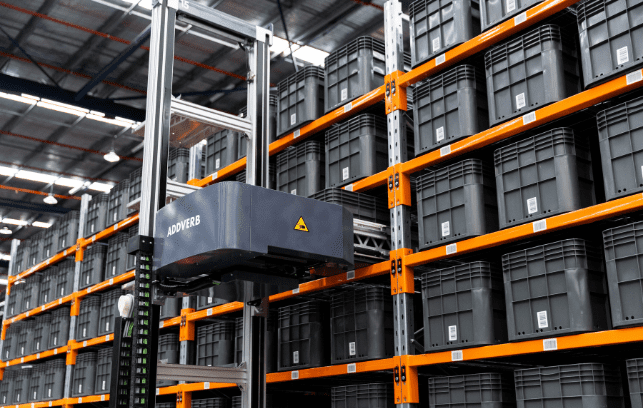
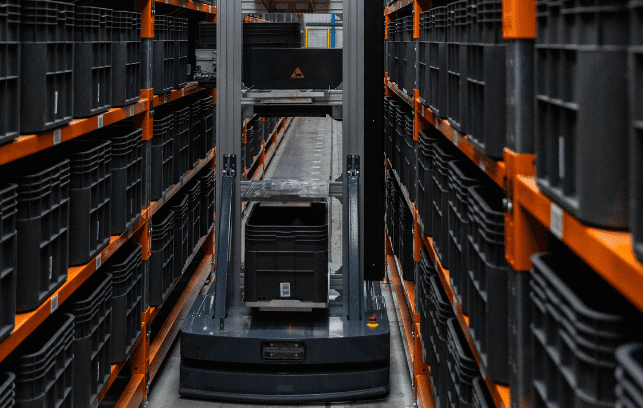
Veloce, our multi-carton picking robot (MCPR), stores and retrieves cartons, crates, and totes of mixed sizes for goods-to-person picking. Grid-based navigation lets it work in narrow aisles and reach double-deep positions, raising storage density within the same footprint. It feeds GTP stations directly, matching pick-face supply to order demand.

Gallery Image
Gallery Image
Gallery Image
Gallery Image
Gallery Image
Thumbnail Thumbnail Thumbnail Thumbnail Thumbnail

Mobile Robots Applications

Download Addverb Brochure

Are you looking for a solution?

Contact Us

Effortless Navigation for Seamless Workflow

Transform movement with Dynamo, Autonomous mobile robot inside your facility.

Dynamo moves loads of up to 3,300 lbs at speeds to 4.9 ft/s, navigating by LiDAR and SLAM mapping. Real-time scheduling assigns each task to the nearest available robot, so the fleet balances its own workload without operator input.

Revolutionize Goods to Person Operations and Ensuring Superior Performance with Veloce

Unleash the power of Veloce, our Multi-Carton Picking Robot, revolutionising facility operations. With its adaptable design, grid-based navigation, and exceptional accuracy, Veloce optimises space and order fulfillment.

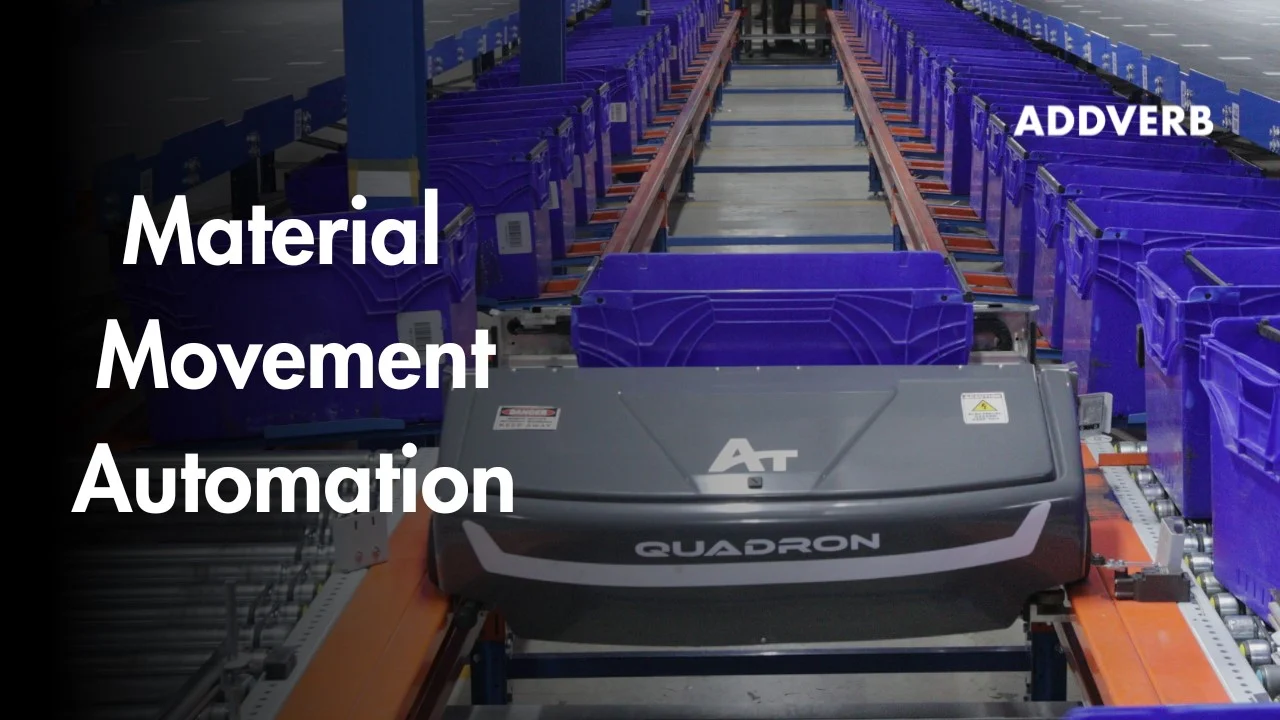
Material Movement Across Fixed and Flexible Automation

Every warehouse moves material, whatever its size or throughput. Addverb combines fixed automation and flexible robotics so the transport layer matches the volume, with software coordinating both under one system.

FAQ

Frequently Asked Questions

  • What is an autonomous mobile robot and how does it work?

    An autonomous mobile robot, or AMR, is a self-navigating vehicle that transports materials through a facility without fixed tracks, wires, or floor magnets. It builds a map of its surroundings and plans its own route. Onboard LiDAR and cameras feed a SLAM algorithm that locates the robot in real time. Fleet software assigns tasks, and each robot selects its own path, rerouting when an aisle is blocked.

  • What is the difference between an AMR and an AGV?

    An AMR navigates using onboard sensors and software maps, so it reroutes around obstacles on its own. An AGV follows a fixed path set by wire, tape, or magnets, and stops when blocked. The practical difference is infrastructure and change cost. AGVs suit stable, repetitive routes and deliver consistent cycle times. AMRs suit facilities where layouts, SKUs, or volumes change, because a route change is a software edit rather than a floor installation.

  • How do mobile robots navigate a warehouse?

    Mobile robots navigate using laser scanners and cameras to build a live map of the facility, then calculate the shortest safe route between defined pickup and drop-off points. Operators teach locations through the robot interface and set speed zones, preferred travel lanes, and restricted areas. No wires or floor tape are required. When a forklift or person blocks the path, the robot recalculates around the obstruction or holds until the lane clears.

  • Are mobile robots safe to work around people?

    Automated mobile robots are further classified as autonomous mobile robots (AMRs) and Multi carton picking robots (MCPRs).

  • How much does a warehouse mobile robot cost?

    Cost depends on payload, fleet size, software integration, and charging infrastructure, so a single unit price is misleading. Total system cost is driven more by fleet count and integration than by the robot itself. A pilot fleet serving one zone carries a very different figure from a facility-wide deployment. Addverb sizes the fleet against your throughput profile and travel distances, then quotes the system, software, and commissioning together.

  • How long does it take to deploy mobile robots?

    Mobile robot deployments are faster than fixed automation because they need no racking or conveyor installation. Timeline is driven by software integration and site readiness rather than construction. Mapping a facility and commissioning a small fleet takes weeks, not months. Integration with your WMS is usually the longest item on the schedule. Addverb has installed more than 500 robots across North America since entering the market in 2022.

  • What systems do mobile robots need to integrate with?

    Mobile robots need a warehouse management system to receive tasks, a fleet management system to coordinate traffic and charging, and charging stations sized to the fleet. Addverb's Fleet Management System handles robot allocation, routing, and charge scheduling. It connects to your WMS by API to receive work and return status. Load handling may also require mounts, conveyor interfaces, or transfer stations at pickup and drop-off points.

  • When are mobile robots the wrong choice?

    Mobile robots are a poor fit where routes never change and volume is high and constant. In that case a conveyor or fixed shuttle moves more material per dollar. They also struggle with badly damaged floors, steep grades, and very long single-direction hauls where fleet size grows faster than throughput. Facilities with unmanaged forklift traffic or blocked aisles will see travel times rise until floor discipline improves.