











Frequently Asked Questions (FAQs)
-
What is a robotic sortation system and how does it work?
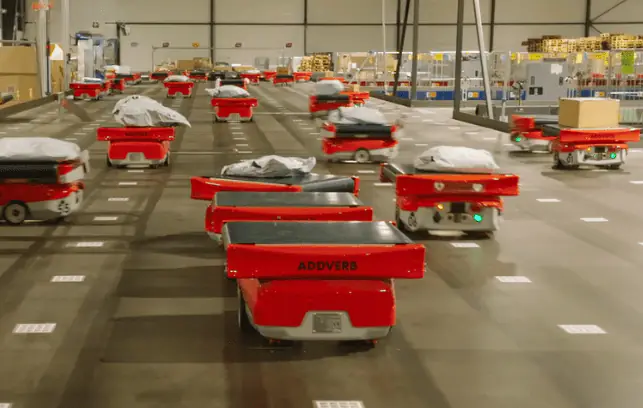
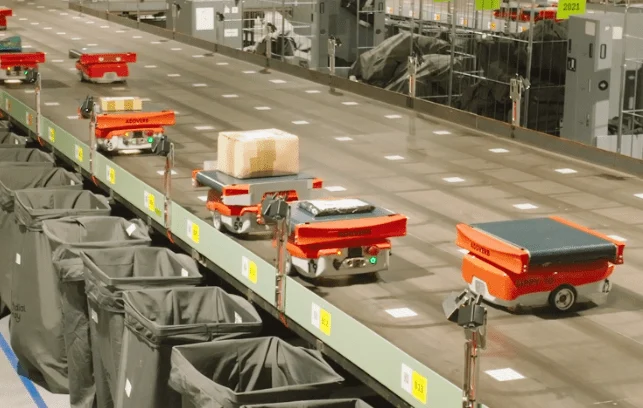
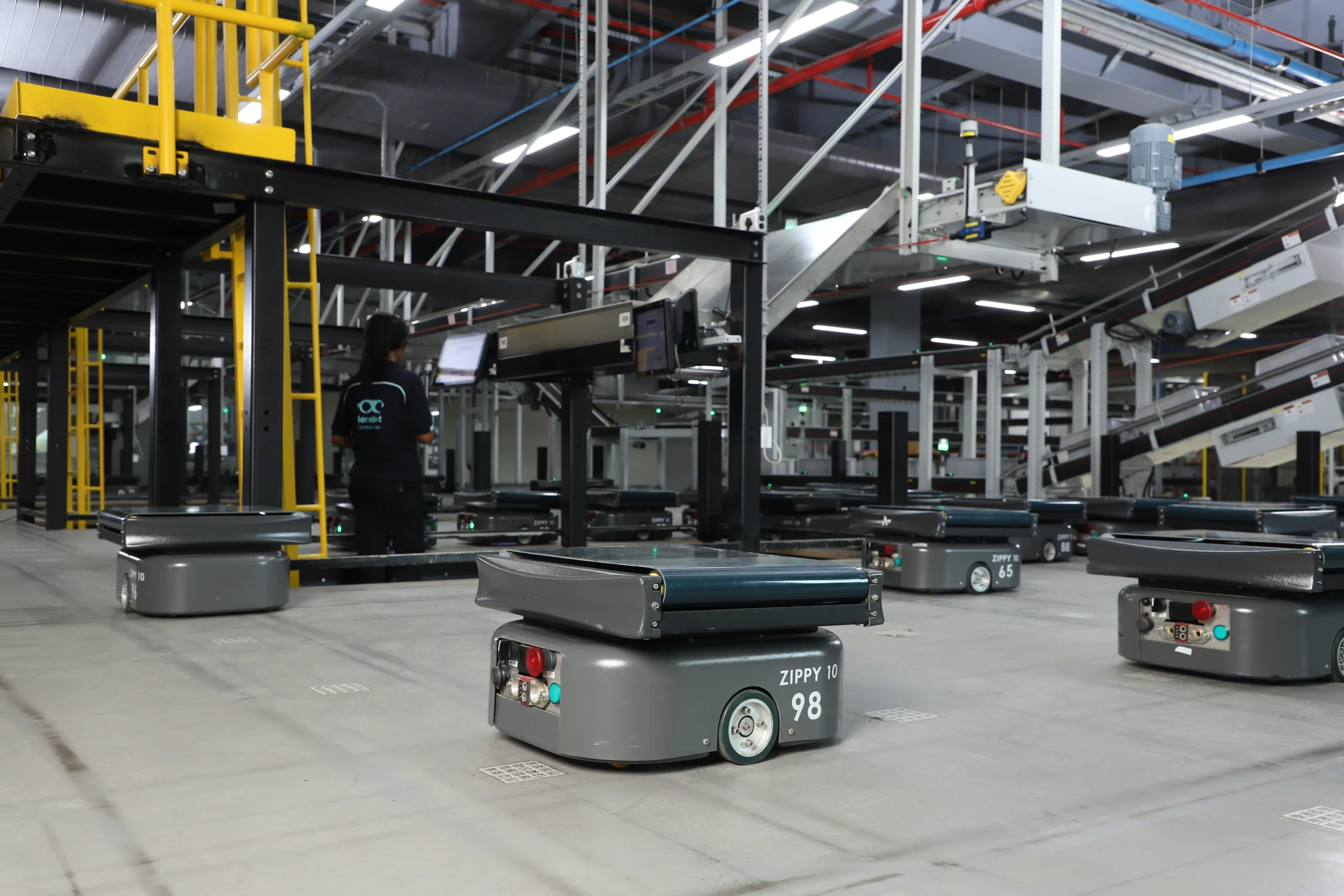
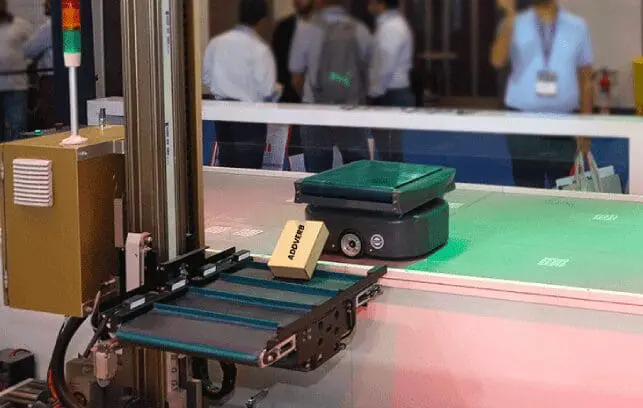
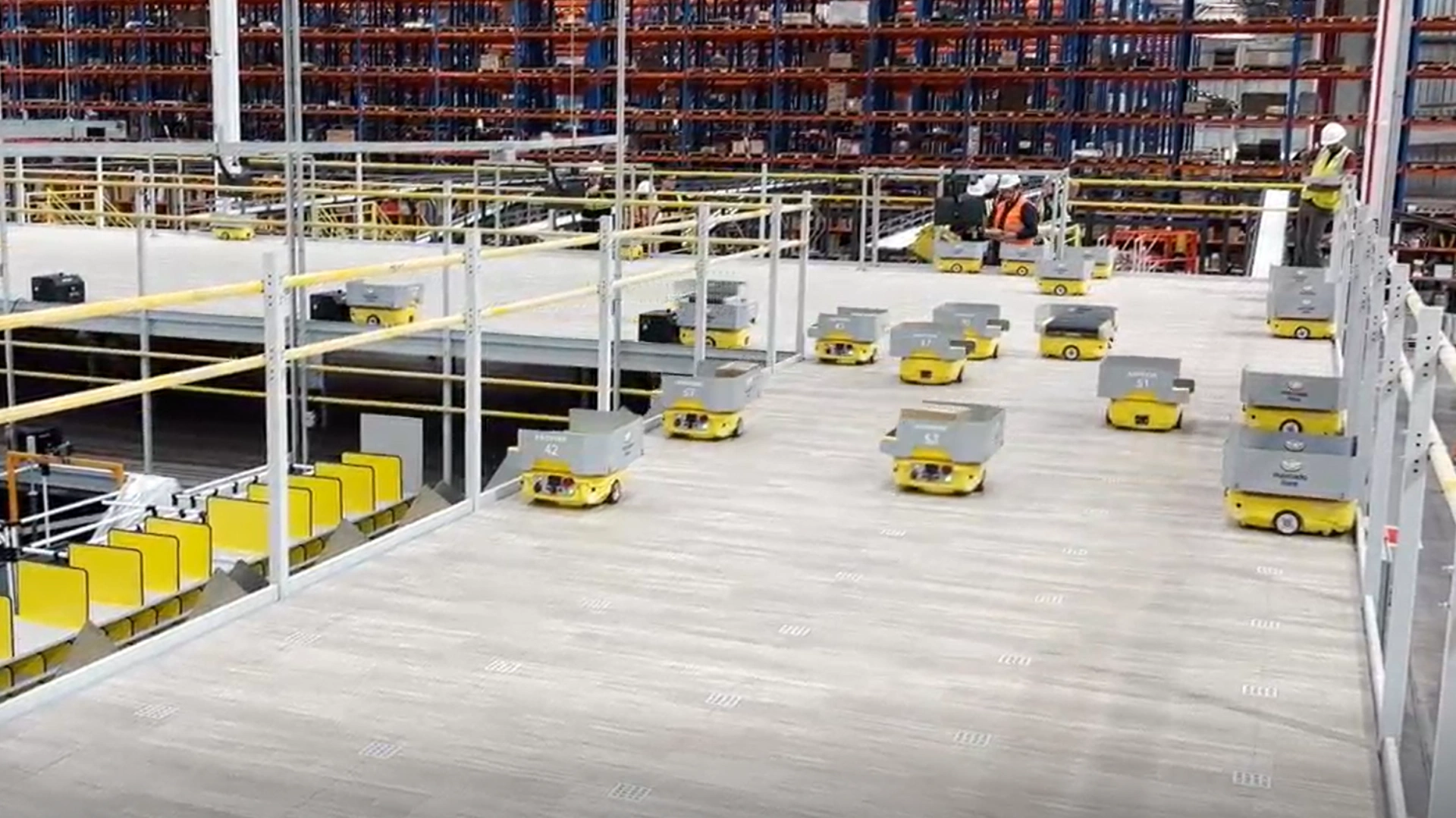
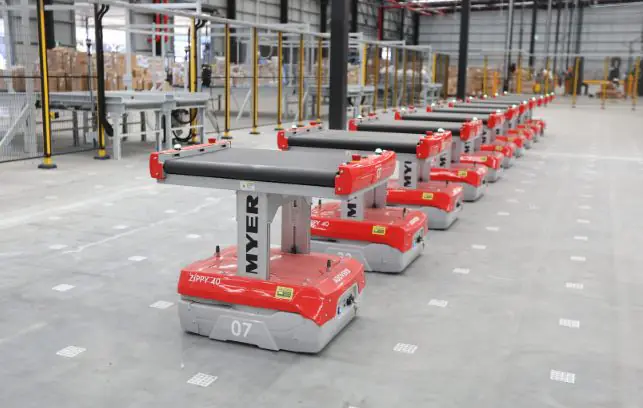
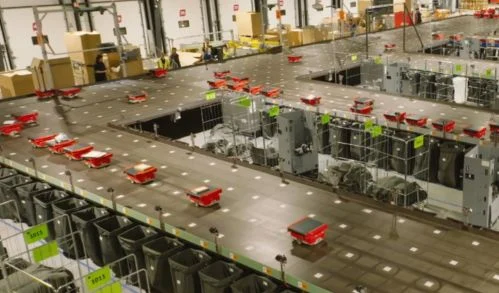
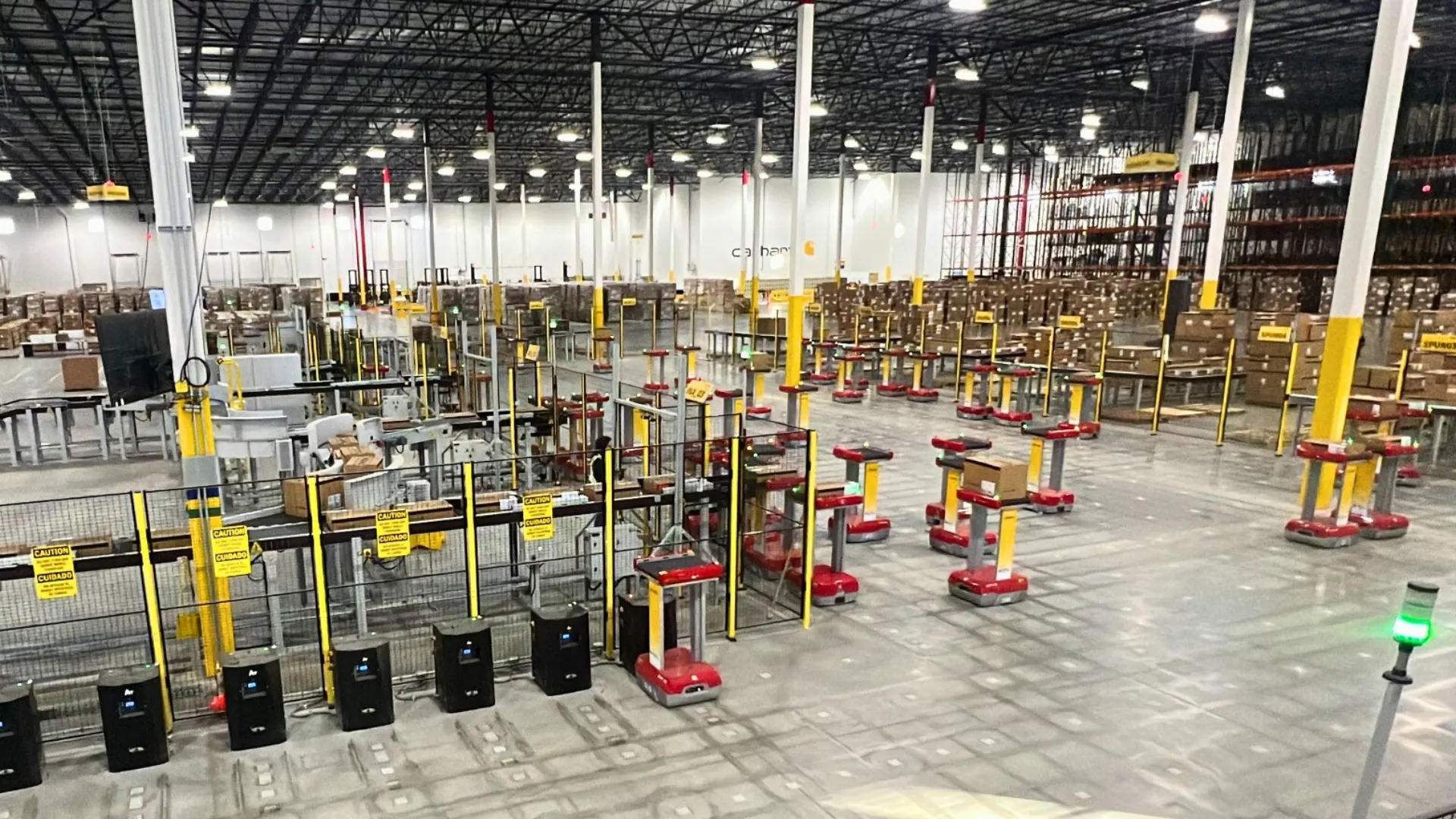
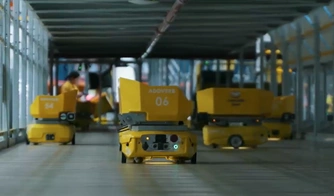
A robotic sortation system uses a fleet of small robots moving across a marked floor grid to carry each parcel, tote, or case from an induct station to its assigned destination chute or bin. Software reads the item at induct, assigns a destination, and routes the robot. Because destinations are defined in software rather than built as fixed chutes, the layout changes without re-engineering conveyor.
-
How many parcels per hour can a robotic sorter handle?
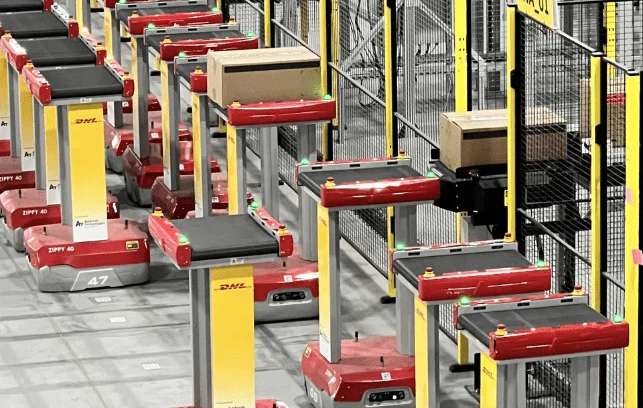
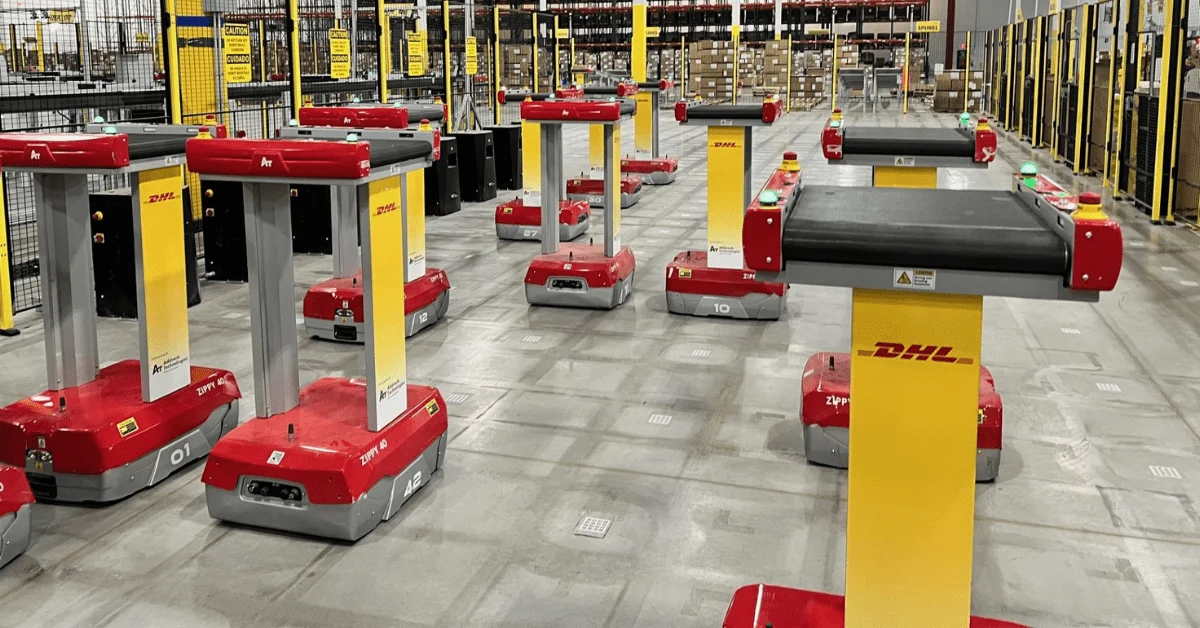
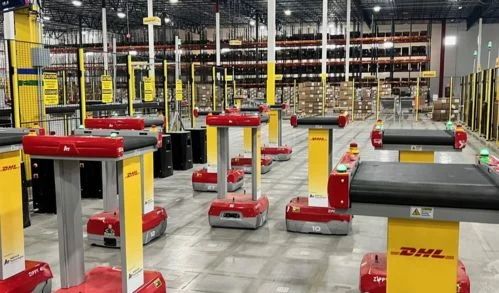
Addverb's Zippy robotic sorter delivers up to 30,000 sorts per hour at 99% accuracy, with throughput scaling by the number of robots and induct stations deployed. In production, DHL Supply Chain runs an Addverb sortation system in Ohio at 1,800 sorts per hour with 99.99% accuracy. Actual rate depends on item mix, destination count, and travel distance across the sortation floor.
-
What is the difference between robotic sortation and a conveyor sorter?
A conveyor sorter is fixed steel sized once for peak volume, with chutes built into the structure. A robotic sorter is a fleet on an open floor, where destinations are software definitions. Conveyor wins on sustained very high throughput in a stable operation. Robotic sortation wins where volume is seasonal, destinations change, the building cannot take a mezzanine, or capital must scale in steps rather than one commitment.
-
How much floor space does a robotic sortation system need?
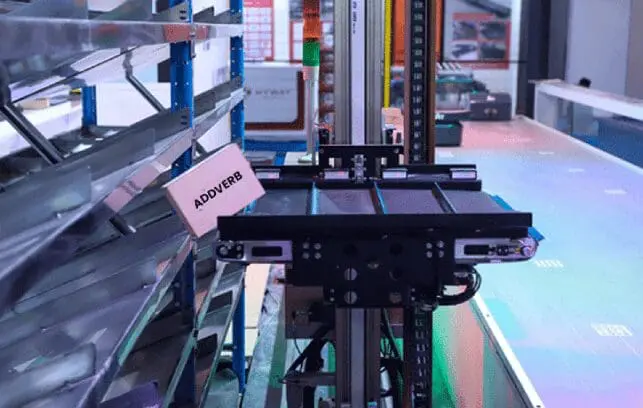
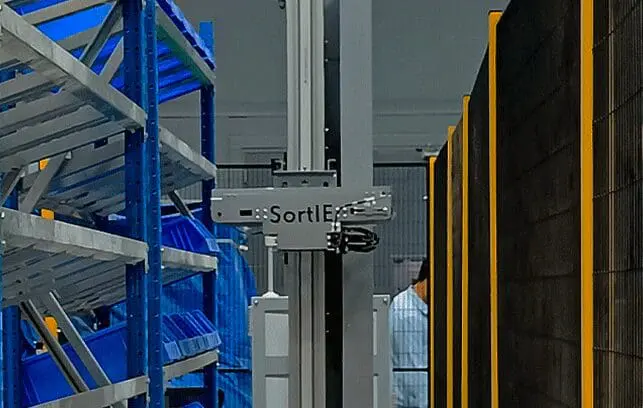
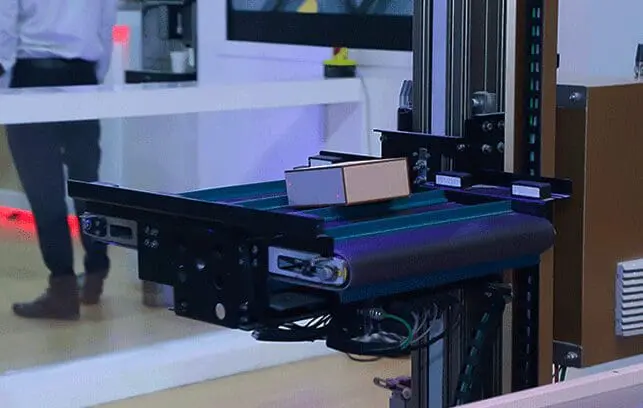
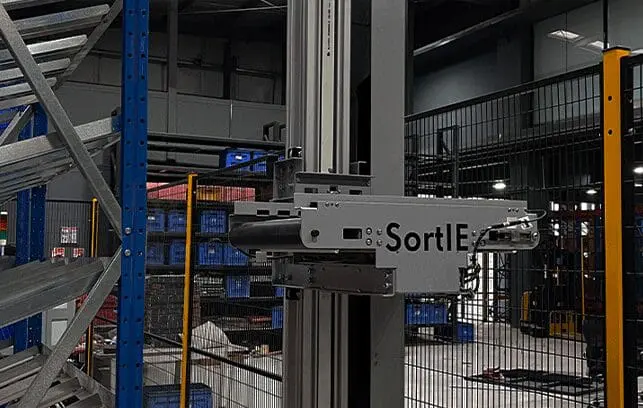
A robotic sortation system fits on available floor area rather than requiring a dedicated mezzanine and conveyor run, because the sort grid is marked on the deck and the robots carry items across it. Footprint scales with destination count and throughput, not with a fixed structure. SortIE, the vertical sortation robot, uses put-wall height instead of floor area where space is tightest.
-
Can a robotic sorter scale for peak season?
Yes. Adding robots to an existing grid raises throughput without changing the layout or installing new equipment, and the robots can be redeployed or stood down when volume falls. This is the main structural advantage over fixed sortation, which is sized once for peak and carried as a fixed cost year-round. Destination counts can also be reconfigured in software between seasons.
-
How accurate is robotic sortation?
Addverb's robotic sorters achieve 99% accuracy at SKU level, and the DHL Supply Chain deployment in Ohio runs at 99.99%. Each item is scanned at induct and the sort is recorded against the order in the Fleet Management System. Errors surface at induct rather than at the dock, so a mis-scan is corrected before the parcel travels rather than after it is loaded.
-
What systems do sorting robots need to integrate with?
Sorting robots need induct scanning, a fleet management system to route traffic and schedule charging, and a connection to your WMS or parcel management system for destination assignment. Addverb's Fleet Management System coordinates the robots and connects by API, and Addverb software integrates with Manhattan, SAP, Blue Yonder, and Körber platforms. Chutes, put-walls, or takeaway conveyor are required at the destination side.
-
When is a robotic sorter the wrong choice?
A robotic sorter is a poor fit for sustained very high throughput in a stable operation with a fixed destination list, where a cross-belt or tilt-tray conveyor sorter moves more items per dollar. It also struggles with items outside its payload range, irregular or unstable loads that will not sit on a carrier, and facilities with uneven or damaged floors where grid markers cannot be read reliably.