



EN ESTA PÁGINA
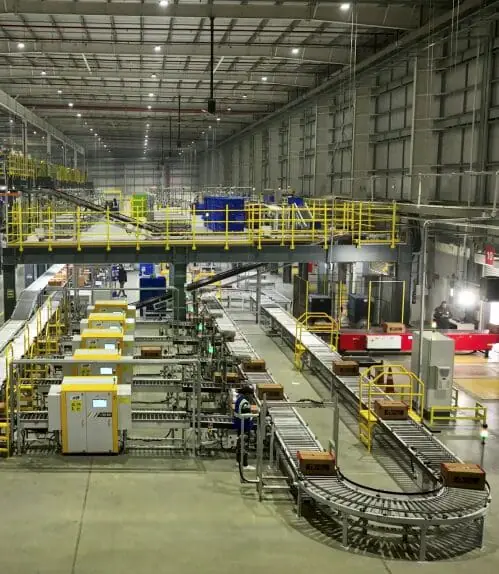
En un gran centro de distribución de comercio electrónico, donde se gestionan miles de artículos a diario, se dan casos en los que se producen retrasos debido al traslado manual de materiales de un proceso a otro. Ante la demanda de entregas más rápidas, el aumento del número de pedidos y la mayor complejidad de las referencias (SKU), estas instalaciones se han visto obligadas a estudiar cómo pueden mejorar el flujo interno de materiales. Los métodos tradicionales ya no son suficientes para cumplir con los requisitos de rapidez y consistencia del entorno logístico actual.
Según Wifi Talents, el mercado mundial de los sistemas de transporte alcanzará un valor de 15 500 millones de dólares estadounidenses en el año 2030, lo que pone de manifiesto el excelente potencial de la logística inteligente basada en sistemas de transporte. Las empresas están adoptando sistemas de transporte para almacenes con el fin de garantizar que las operaciones se lleven a cabo de manera eficiente y sin interrupciones.
¿Por qué son necesarios los sistemas de transporte en los almacenes modernos?
La necesidad de contar con sistemas de transporte en las operaciones de almacén surge debido a la creciente necesidad de gestionar las mercancías de forma eficaz en las distintas zonas del almacén. La manipulación manual no solo es lenta, sino que también conlleva errores y fatiga. Cuando aumenta el volumen de pedidos, estos retos se hacen evidentes.
El uso de sistemas de transporte resuelve estos problemas, ya que permite crear un flujo de productos constante y organizado. Estos sistemas minimizan cualquier movimiento innecesario, mejoran la transición de un proceso a otro y garantizan que las mercancías lleguen al lugar correcto sin retrasos.
Lee también: La importancia de las cintas transportadoras en los almacenes
¿Cuáles son los diferentes tipos de sistemas de transporte que se utilizan en los almacenes?
Los distintos tipos de cintas transportadoras están diseñados para satisfacer necesidades operativas específicas dentro de un almacén.
1. Cintas transportadoras
Una cinta transportadora resulta especialmente útil en entornos de almacén para el traslado de mercancías de peso ligero a medio a lo largo de grandes distancias. Las cintas transportadoras de Addverb el traslado fluido de paquetes, contenedores y cajas por líneas inclinadas y de alta velocidad sin afectar a la estabilidad del producto. Con una capacidad de carga útil de 125 kg/m y una velocidad máxima de 100 m/m, estos sistemas pueden gestionar fácilmente una gran variedad de referencias, garantizando un flujo eficiente y minimizando las interrupciones.
2. Transportadores de rodillos
Las cintas transportadoras de rodillos se utilizan ampliamente para la manipulación de cajas de cartón, contenedores y embalajes, y facilitan funciones como el enrutamiento, los giros y el desplazamiento controlado a lo largo de los flujos de trabajo. Las cintas transportadoras de rodillos Addverbgarantizan un transporte fluido de materiales al tiempo que mejoran la eficiencia. Permiten transportar una carga útil de 30 kg/m a una velocidad de 60 m/m, lo que garantiza que las cargas pesadas, no frágiles y con fondo sólido lleguen a su destino a tiempo.
3. Transportadores de palés
Las cintas transportadoras de palés Addverbestán diseñadas para manejar cargas pesadas de forma eficiente en trazados complejos, al tiempo que son energéticamente eficientes. Permiten que los palés circulen por las curvas y garantizan su traslado sin problemas de estabilidad. Pueden soportar una carga útil de 700 kg/m a una velocidad de 0,3 m/s, lo que las hace ideales para transportar palés con cargas pesadas a largas distancias.
¿Cómo contribuyen los sistemas de transporte a llevar las operaciones de distribución a un nuevo nivel en la logística automatizada?
Los sistemas de transporte mejoran la eficiencia de la distribución gracias a la automatización del traslado de productos a lo largo de las diferentes fases del proceso de preparación de pedidos. La implantación de un sistema de transporte eficaz en las operaciones de almacén reducirá el tiempo dedicado al transporte manual y mejorará la coordinación de los procesos.
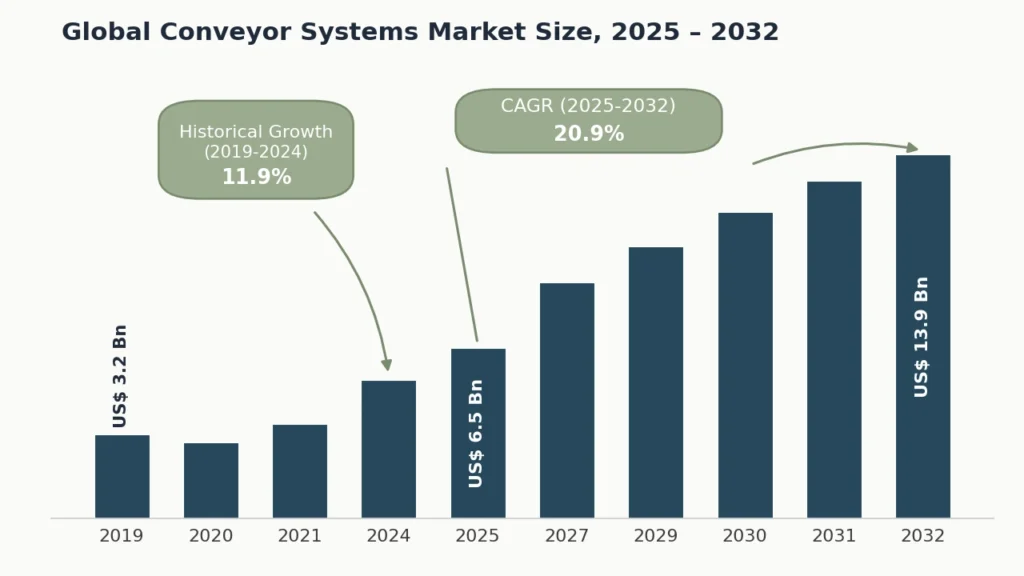
Según Market Growth Reports, las cintas transportadoras automatizadas reducen el tiempo de transporte manual en un 35 % y la dependencia de la mano de obra en un 45 %. Además del movimiento básico, este sistema establece una sincronización constante entre las fases de recepción, almacenamiento, preparación de pedidos, embalaje y envío. Esto minimiza cualquier periodo de inactividad durante estas operaciones, garantizando que los artículos se desplacen constantemente hacia la siguiente operación sin ningún tiempo de inactividad. Los sistemas de cintas transportadoras reducen la dependencia de los traslados manuales y minimizan los traspasos para ayudar a mantener la coherencia del flujo de trabajo.
¿Por qué debería tu almacén instalar sistemas de cintas transportadoras?
El uso de soluciones de transporte en almacenes ofrece una serie de ventajas operativas, entre las que se incluyen las siguientes:
- Movimiento más rápido de la mercancía entre las distintas zonas del almacén
- Menor dependencia de la mano de obra manual
- Mayor rapidez y precisión en la tramitación de los pedidos
- Mejor aprovechamiento del espacio y optimización del flujo de trabajo
- Mayor seguridad gracias a la reducción al mínimo de la manipulación manual
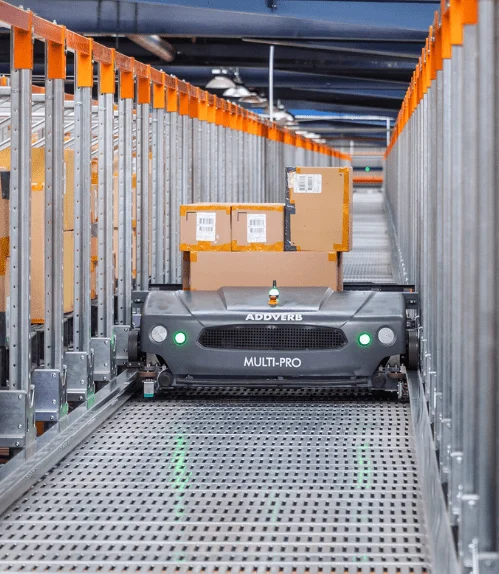
Los transportadores de rodillos de Addverb mejorar el proceso de encaminamiento y alineación de cajas y contenedores, ya que ofrecen modularidad y requieren un mantenimiento reducido gracias a su mínimo número de piezas móviles. Por lo tanto, pueden considerarse una solución asequible para un entorno de almacén dinámico.
¿Cuál es el futuro de los sistemas de transporte en la logística automatizada?
El futuro de las soluciones de almacenamiento con cintas transportadoras se presenta prometedor, ya que estos sistemas serán cada vez más inteligentes gracias a su integración con las plataformas de automatización de almacenes. Con los avances tecnológicos, los sistemas de cintas transportadoras están adquiriendo inteligencia, con capacidades de supervisión en tiempo real y funciones de mantenimiento predictivo.
Las cintas transportadoras y los transportadores de palés Addverbestán en constante evolución para satisfacer las necesidades de un funcionamiento a alta velocidad con mayor precisión y menor consumo energético. El objetivo principal de este desarrollo es garantizar la estabilidad en la manipulación de artículos frágiles y un transporte preciso a través de configuraciones complejas de almacén.
Comparación del rendimiento de los almacenes: con y sin sistemas de cintas transportadoras
La siguiente comparación pone de relieve cómo los sistemas basados en cintas transportadoras mejoran el rendimiento general del almacén en los principales indicadores operativos.
| Métrico | Sin sistemas de transporte | Con sistemas de transporte |
| Plazo de tramitación del pedido | Mayor debido a la manipulación manual | Reducido debido al flujo automatizado |
| Rendimiento | Limitadas e inconsistentes | Más alto y más constante |
| Eficiencia operativa | Depende de la coordinación manual | Optimizado y basado en sistemas |
| Coherencia en los procesos de trabajo | Variable y propenso a errores | Estable y predecible |
Lee también: Cuándo utilizar un sistema transportador de cadena y de rodillos
Casos prácticos: La automatización integrada en cintas transportadoras Addverben entornos de distribución
En las instalaciones de Maersk, el principal problema era que la empresa gestionaba una gran variedad de referencias (SKU) y necesitaba una solución que mejorara tanto la eficiencia como la precisión. La solución Addverbincluía líneas de transporte planificadas estratégicamente que facilitaban la integración fluida entre el almacenamiento fijo y el flexible. Esto garantizó el envío diario de 1,00,000 unidades a 2500 puntos de distribución distintos.
En un almacén automatizado de productos alimenticios, la empresa se enfrentaba a importantes retos, entre los que se incluían un almacenamiento ineficiente y una gran dependencia de la mano de obra. La solución propuesta por Addverb el uso de un sistema de cintas transportadoras inteligente capaz de dirigir con éxito las cajas de pedidos hacia las zonas de reposición o de preparación de pedidos. Como resultado, se enviaban 42 000 cajas al día, lo que supuso una mejora en la velocidad de preparación de los pedidos.
Conclusión
Los sistemas de transporte se han convertido en un componente esencial de las operaciones actuales de los almacenes, ya que contribuyen a aumentar la eficiencia y la velocidad de movimiento. A medida que las redes de distribución se vuelven más complejas, el uso de sistemas de transporte en los almacenes resulta fundamental para reducir costes y mantener un rendimiento constante.
Con el avance de la automatización y la logística inteligente, las cintas transportadoras seguirán siendo un elemento clave para determinar el futuro de la gestión de almacenes. Addverb comprometido a revolucionar este sector mediante sus sistemas de vanguardia basados en cintas transportadoras.
Preguntas Frecuentes
1. ¿Cuáles son las funciones y ventajas de los sistemas de cintas transportadoras en los almacenes?
Permiten un flujo continuo de material, reducen la manipulación manual, aumentan la velocidad y mejoran la precisión. Las cintas transportadoras Addverbfacilitan un movimiento constante entre las distintas zonas.
2. ¿Cuáles son los mejores proveedores de sistemas de transporte para almacenes?
Los principales proveedores de automatización, como Addverb soluciones avanzadas integradas con sistemas de transporte. Los sistemas Addverbpermiten unas operaciones de almacén escalables y fiables.
3. ¿Son los sistemas de transporte adecuados para todas las operaciones de almacén?
Son adecuados para la mayoría de las operaciones, pero dependen del tipo de carga, el volumen y la distribución del espacio. Los transportadores de rodillos Addverbse adaptan a diversas necesidades de manipulación.
4. ¿Qué factores deben tenerse en cuenta antes de instalar un sistema de transporte en un almacén?
Entre los factores clave se incluyen el espacio, el tipo de carga, las necesidades de rendimiento y la integración del sistema. Los transportadores de palés Addverbayudan a optimizar las decisiones relativas a la manipulación de cargas pesadas.
5. ¿Cuál es el retorno de la inversión (ROI) de invertir en sistemas de transporte automatizados?
El retorno de la inversión se debe a la reducción de los costes de mano de obra, la agilización de los procesos, la mejora de la precisión y el aumento del rendimiento. Addverb mejoran la eficiencia a largo plazo.
6. ¿Cuáles son los principales tipos de cintas transportadoras que se utilizan en un almacén?
Entre los tipos más comunes se encuentran las cintas transportadoras, las cintas de rodillos y las cintas transportadoras de palés, cada una destinada a diferentes aplicaciones. La elección depende del tipo de material y de las necesidades operativas.