












Frequently Asked Questions
-
What does an Automated Storage and Retrieval System (AS/RS) do, and how does it work in US warehouses?
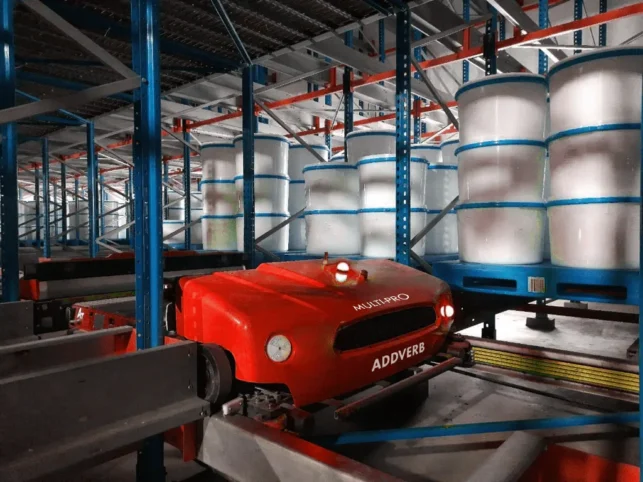
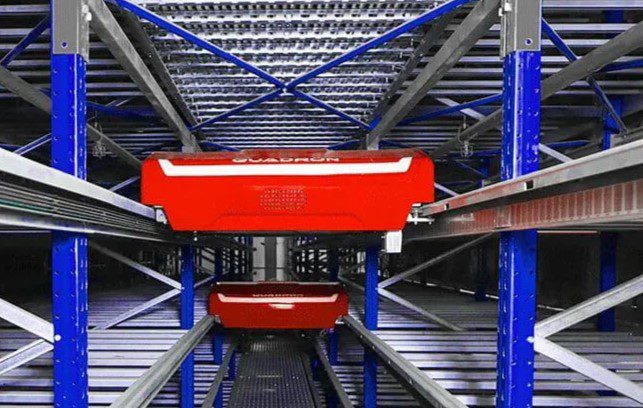
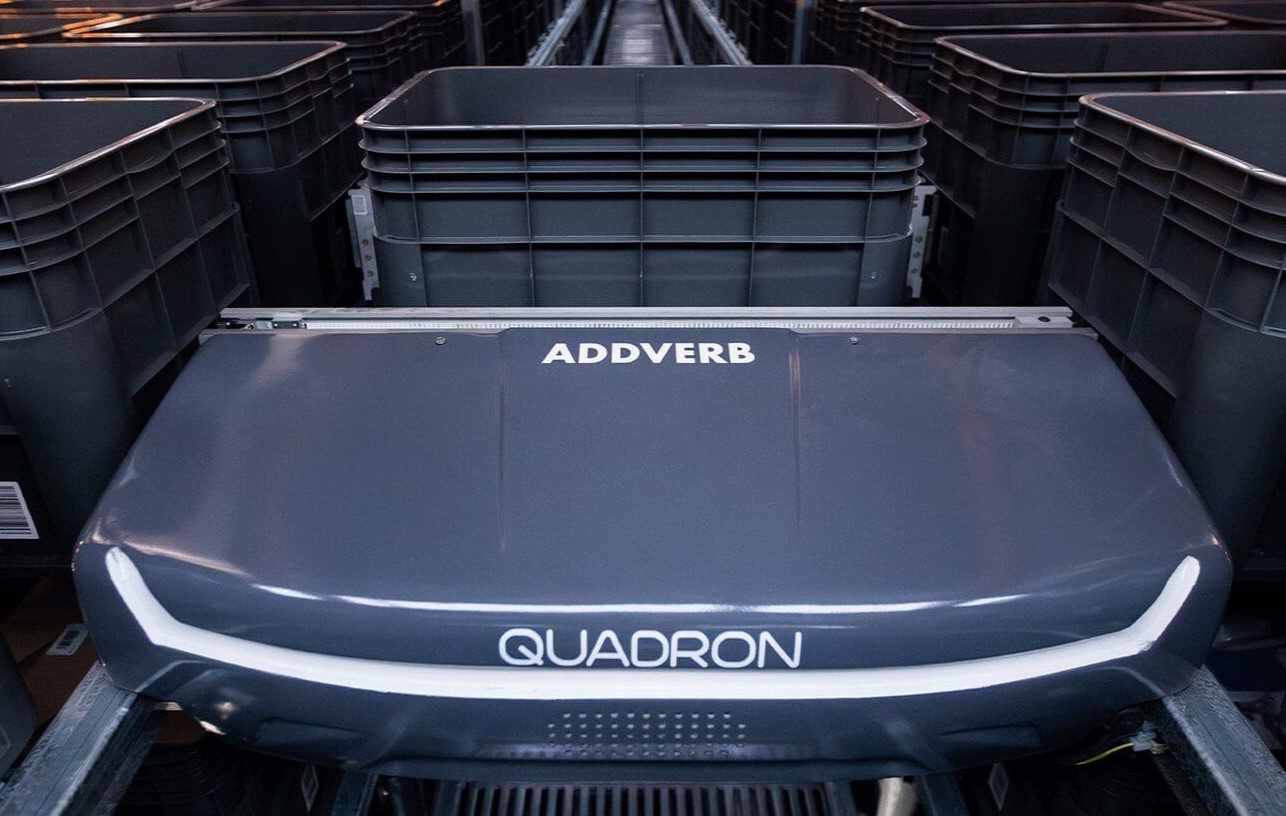
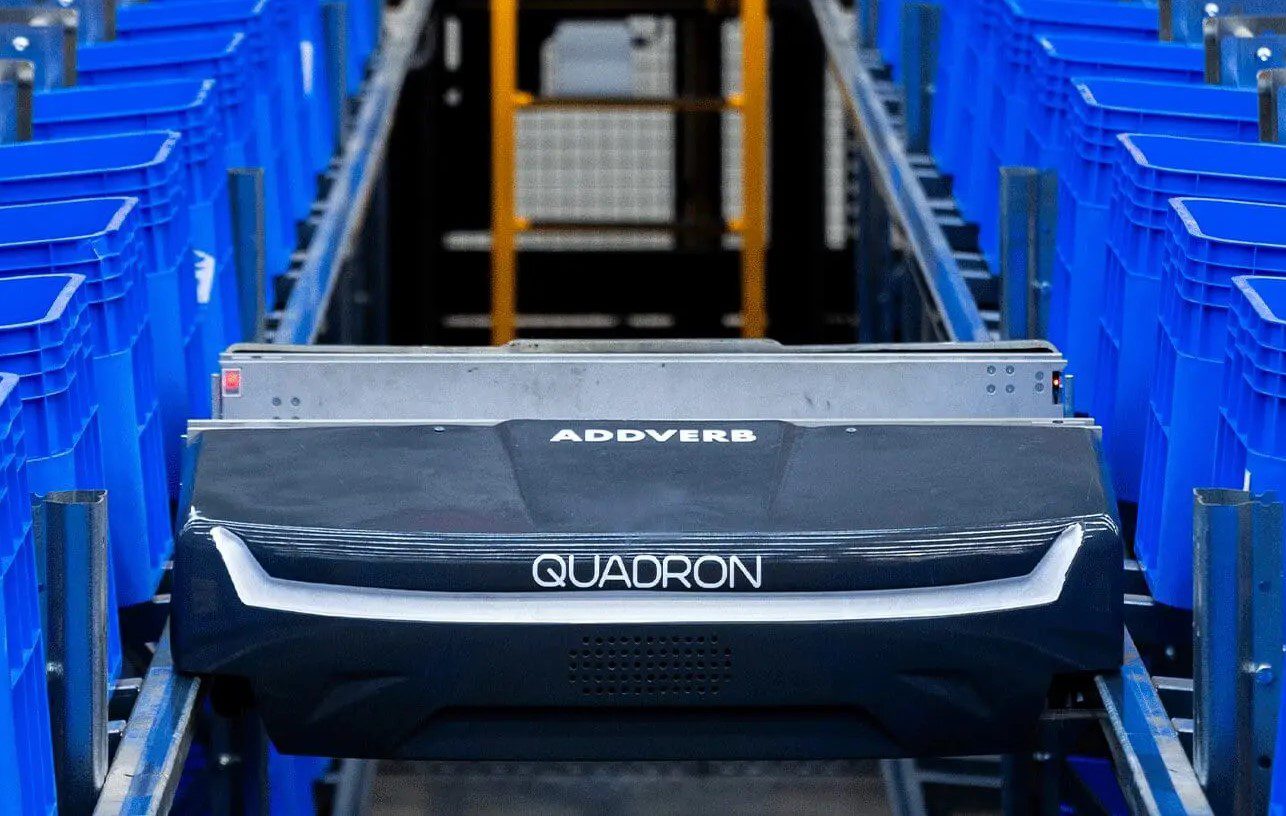
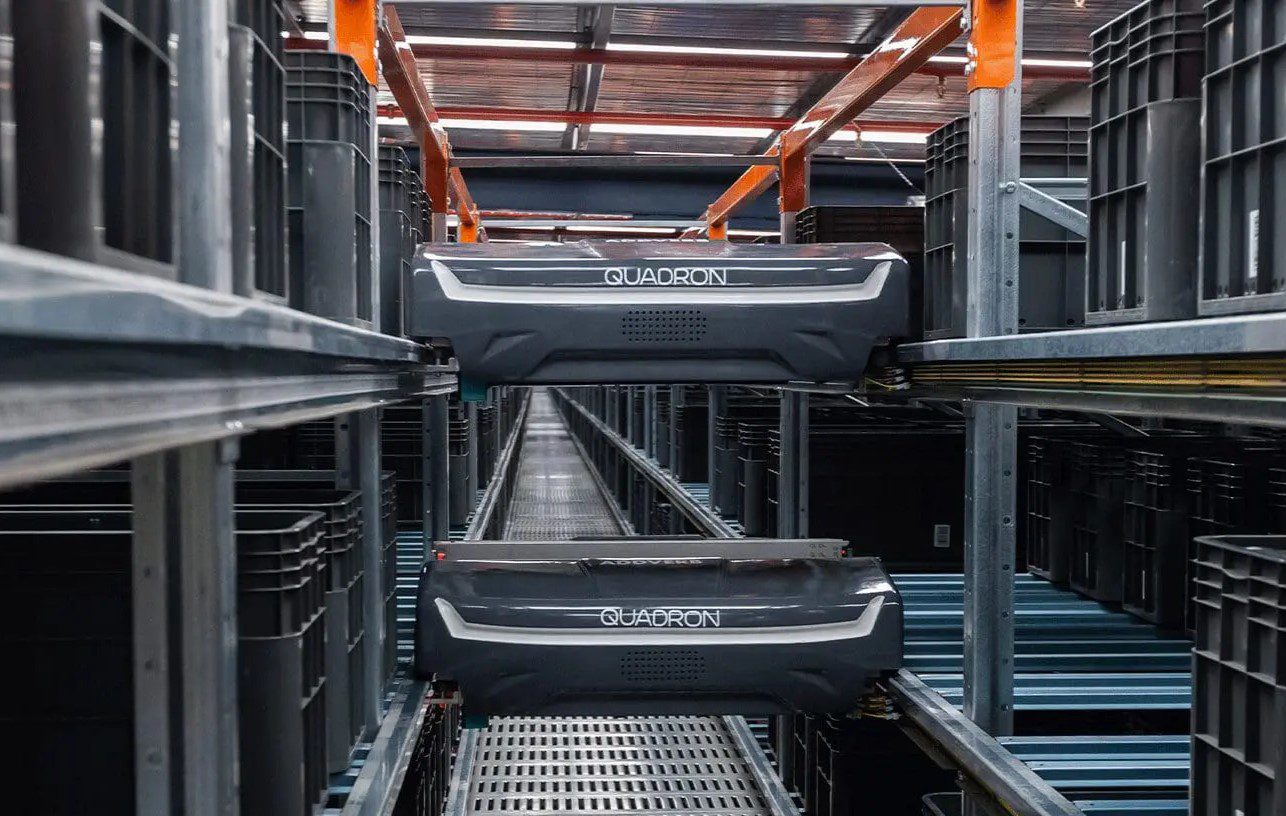
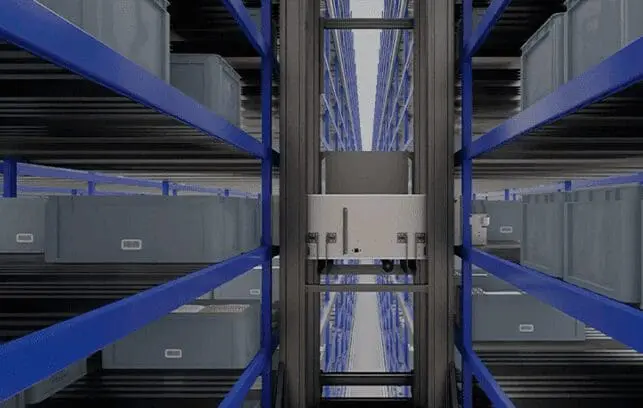
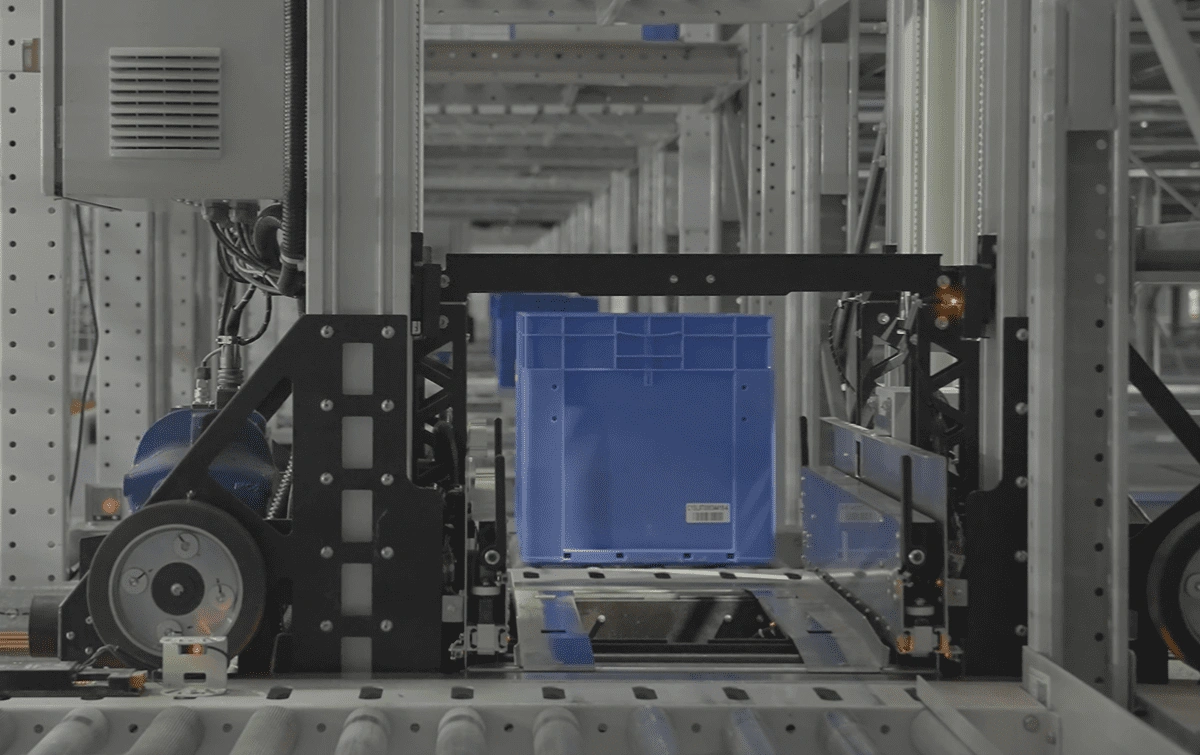
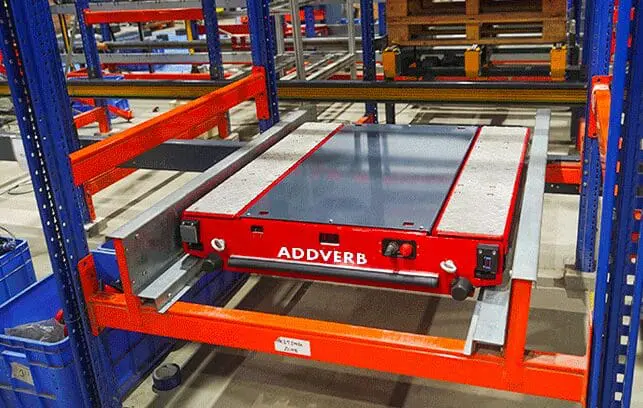
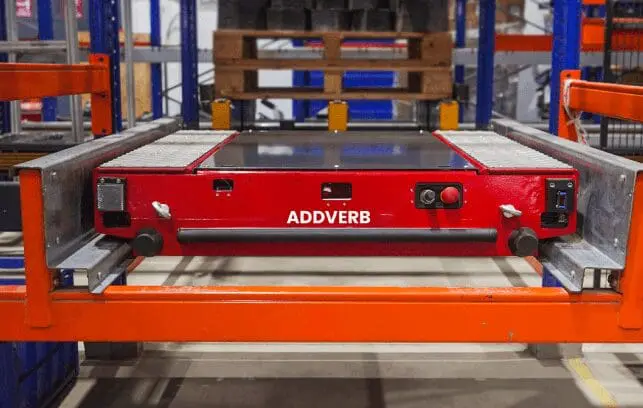
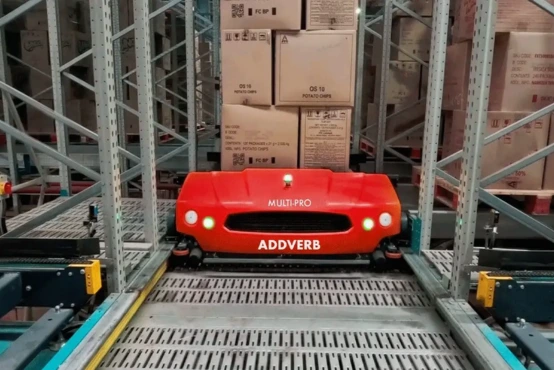
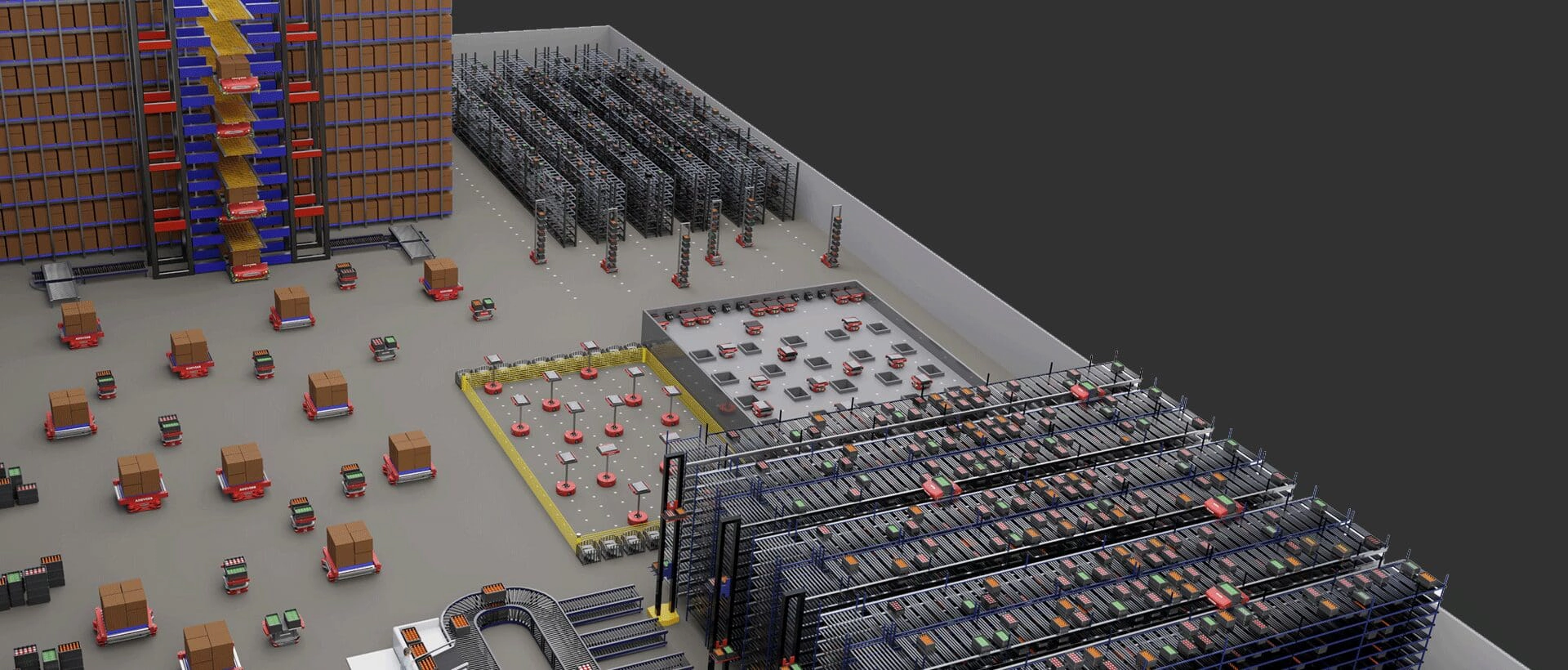
An Automated Storage and Retrieval System (AS/RS) is a combination of high-density racking, computer-controlled shuttles or cranes, and integrated software that places and retrieves inventory automatically. As an auto storage and retrieval system, it functions as a highly efficient storage and retrieval system and robotic storage system for modern warehouse operations. When an order is released from the facility's host software, automated carriers move through dedicated storage lanes to deliver pallets, cases, or totes directly to ergonomic pick stations.
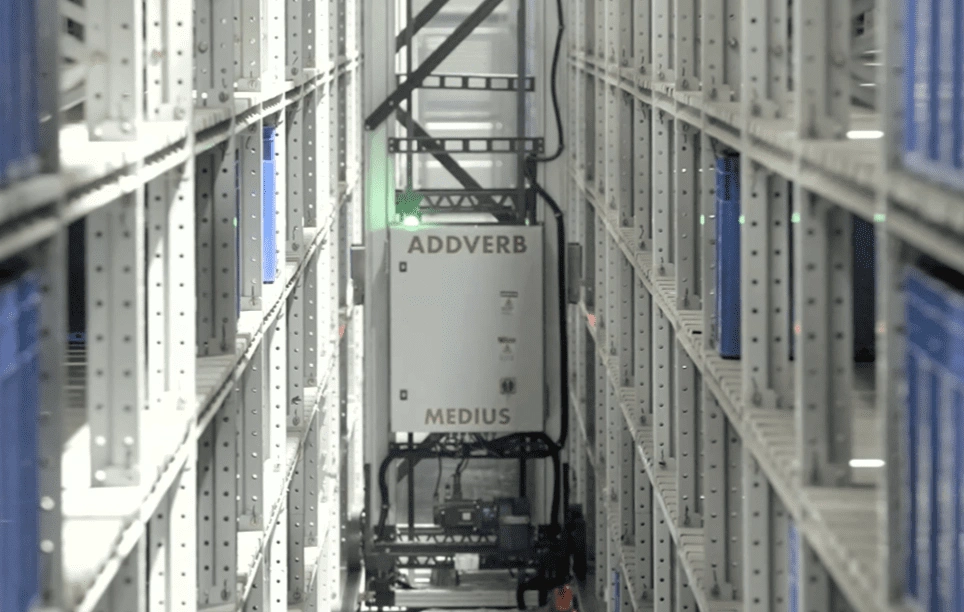
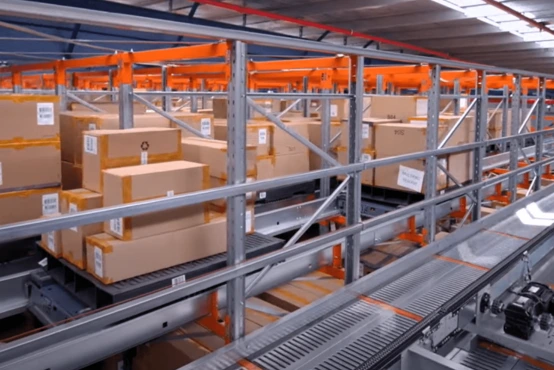
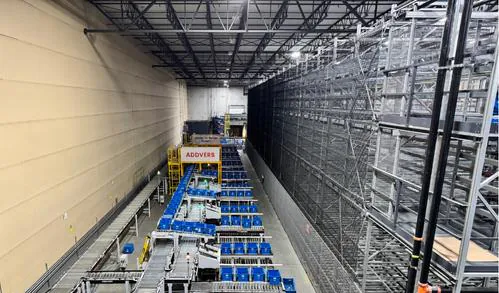
In North American supply chain networks, this technology optimizes vertical clear heights up to 100 feet, eliminates manual forklift travel, and tracks SKU movement in real time. Solutions such as mini load ASRS, mini load ASRS systems, and automated vertical storage and retrieval systems further improve warehouse efficiency and inventory control. -
How does an AS/RS benefit distribution centers in the United States?
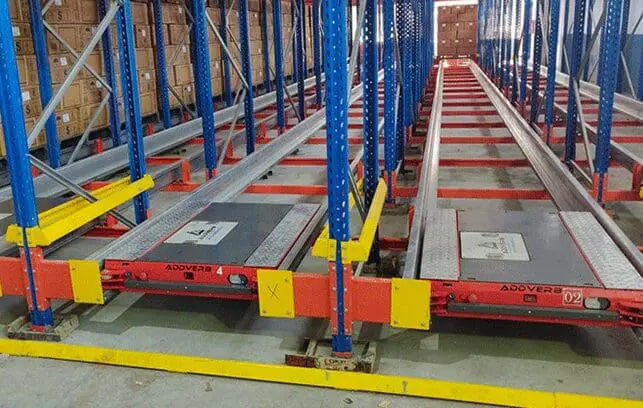
An AS/RS maximizes storage density and raises order processing speeds while mitigating chronic labor shortages across the United States. By utilizing high-bay building clearance and narrow operating aisles, facilities can double pallet storage capacity within their existing real estate footprint through an automated racking system, automation racking system, and advanced automated racking system for warehouse operations.
Automated handling also prevents dropped-load accidents, protects inventory integrity, and maintains 99.99% picking accuracy across high-volume distribution hubs. These automated storage systems support pallet automation, improve inventory visibility, and deliver scalable automated storage solutions for growing operations. -
Can Addverb AS/RS integrate with existing Warehouse Management Systems (WMS)?
Yes, Addverb AS/RS software interfaces directly with tier-one WMS platforms commonly used in the Americas. The native Warehouse Execution System (WES) and Warehouse Control System (WCS) sit between enterprise software and mechanical hardware.
This structure balances order queues, manages real-time carrier routing, and updates inventory counts instantly without custom middleware. The integration enables automated retrieval systems, supports auto storage systems, and optimizes the performance of the overall storage retrieval system. -
Can an AS/RS handle standard US pallet sizes and mixed unit loads?
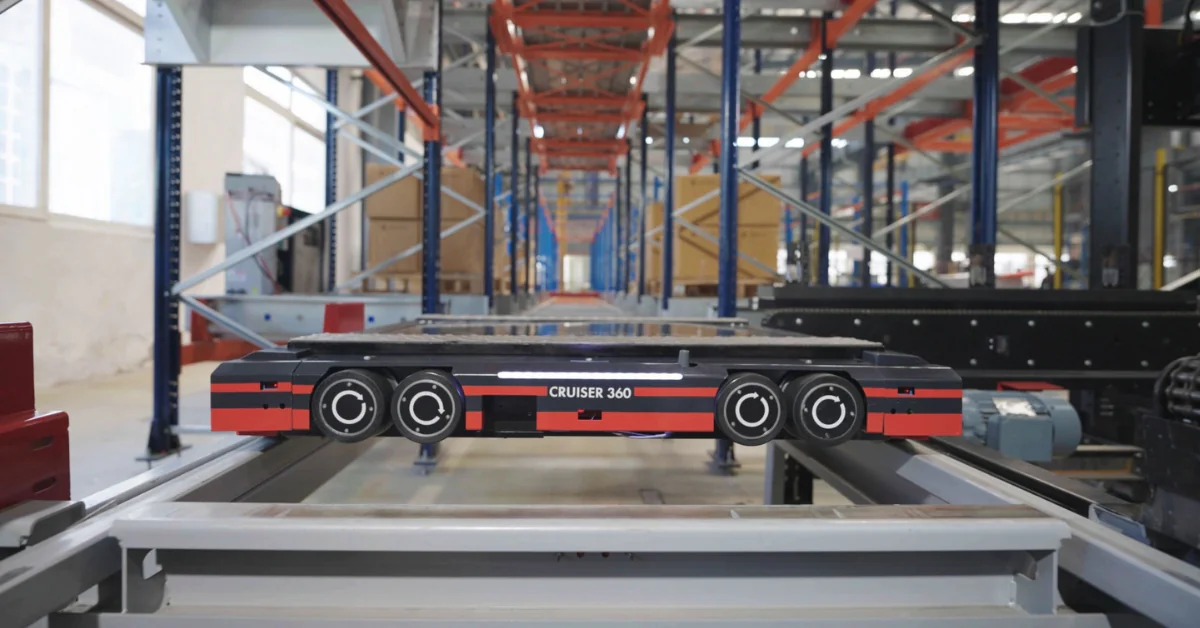
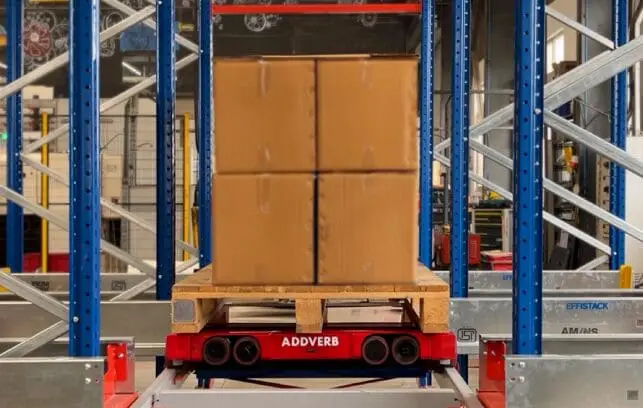
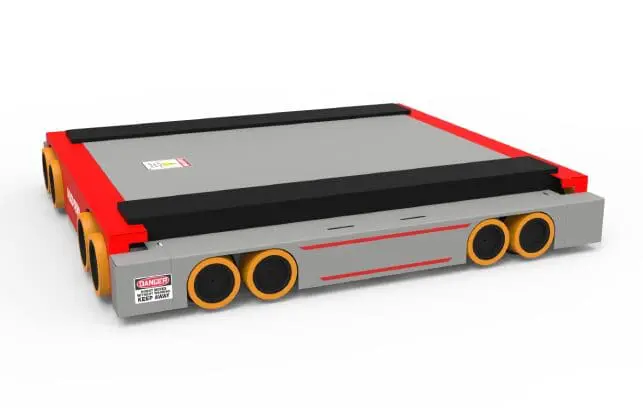
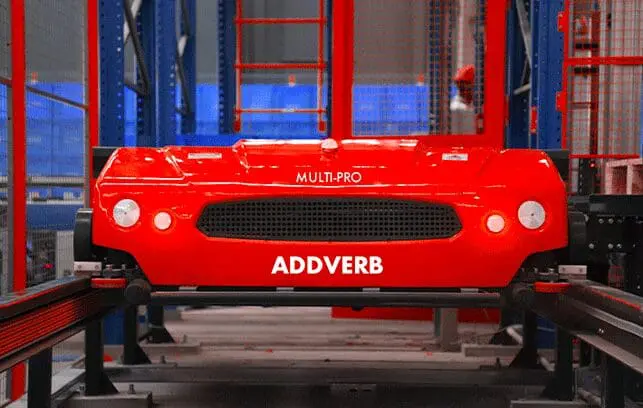
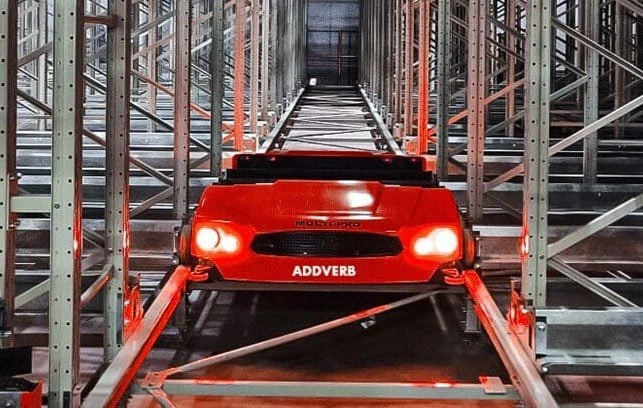
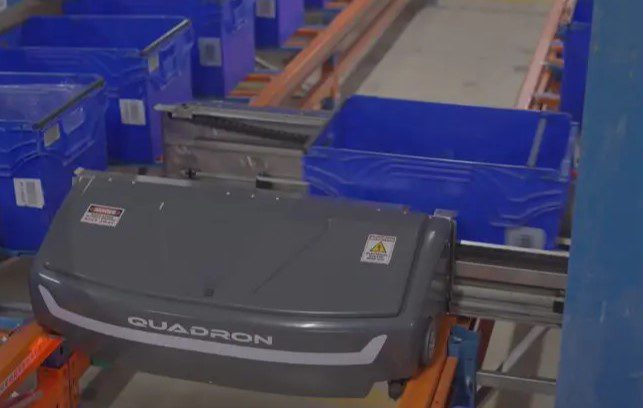
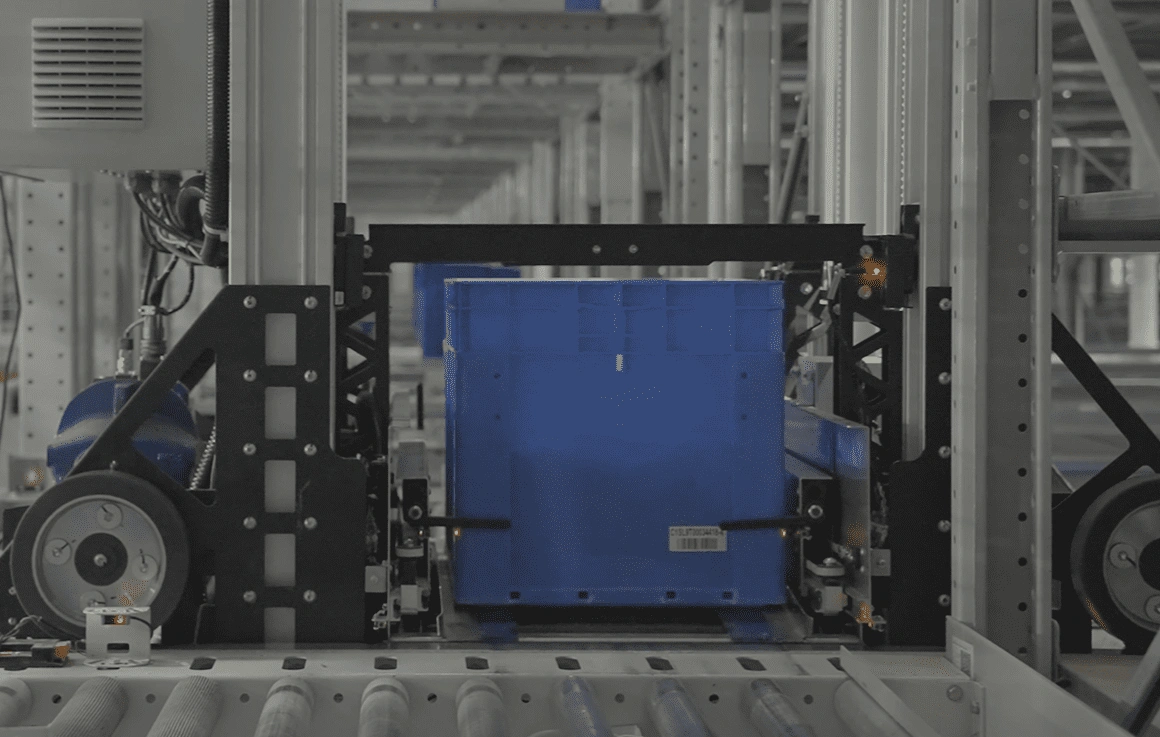
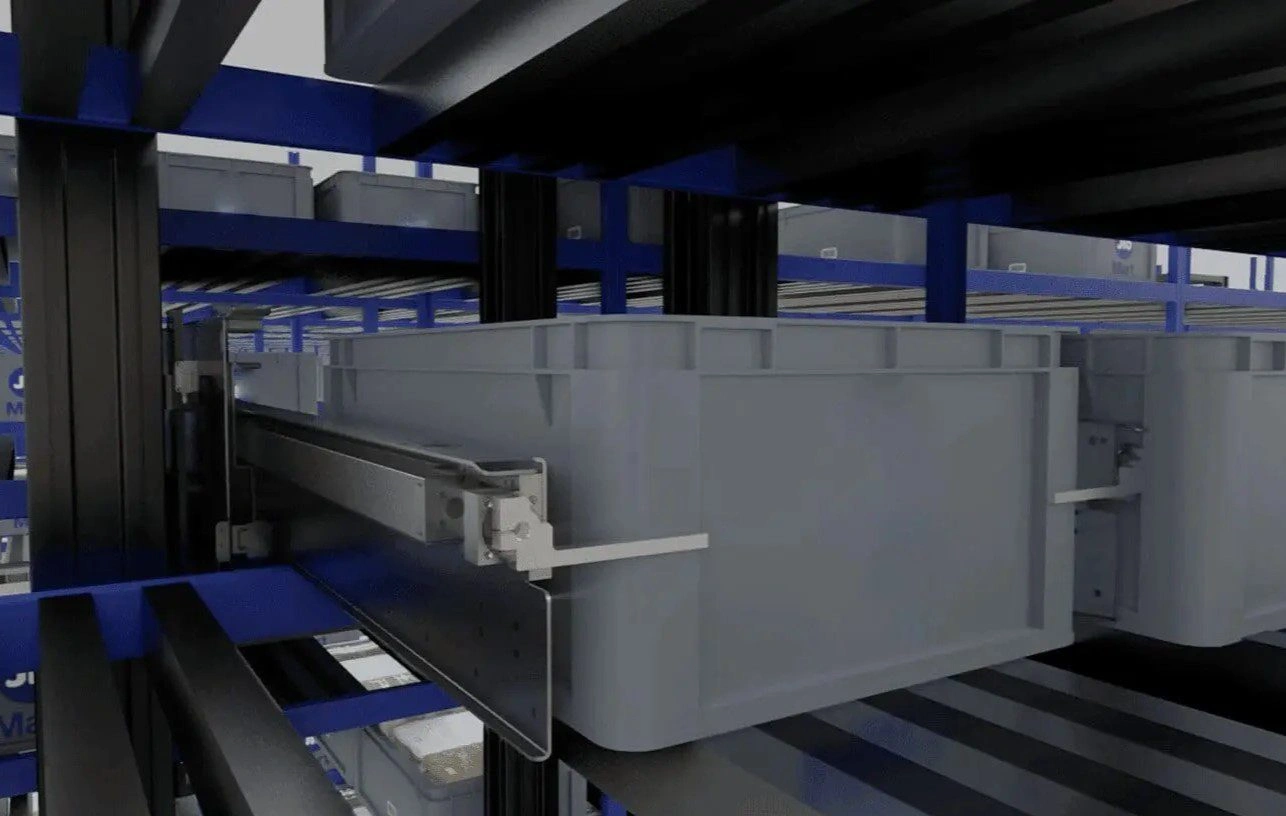
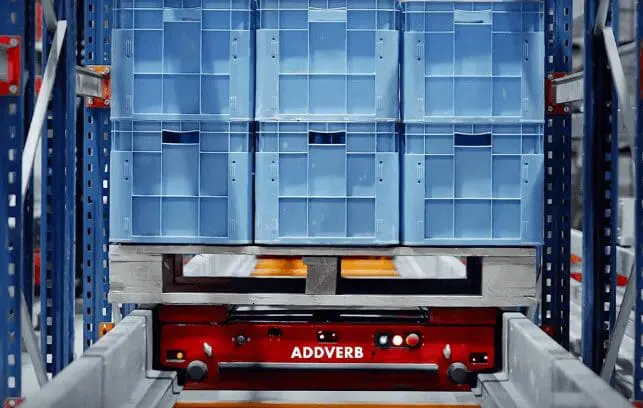
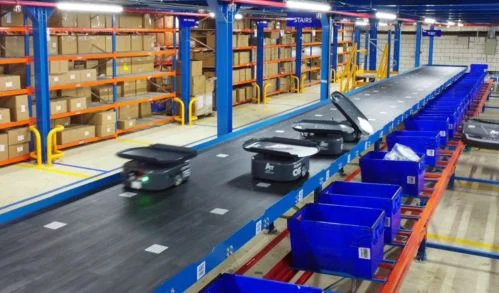
Yes, AS/RS equipment handles standard 48x40 North American GMA pallets, split-case cartons, and plastic totes. Equipment configurations adapt directly to product specifications: multi-tote shuttles handle individual bins and e-commerce cartons, while unit-load cranes and four-way pallet shuttles transport heavy manufacturing sub-assemblies and raw bulk materials.
These solutions support automated storage, automated parts storage, and flexible material handling requirements while maintaining high throughput and operational accuracy. -
Why choose Addverb for warehouse automated storage systems in the Americas?
Addverb provides end-to-end operational accountability across the Americas by manufacturing its own hardware and engineering its entire software stack in-house. With North American headquarters in Irvine, California, and a dedicated team of local professionals, Addverb supports US clients with regional engineering, around-the-clock technical service, and emergency replacement parts delivered within short periods.
Its expertise in fully automated storage, automated storage systems, and advanced warehouse automation helps customers implement scalable solutions tailored to their operational needs. Addverb also delivers competitive ASRS price structures based on throughput, storage density, and automation requirements. -
What factors determine if an AS/RS is right for a US facility?
Building clear height, square footage costs, labor availability, and throughput volume are the key criteria when evaluating an AS/RS for US operations. Facilities operating multiple shifts in competitive labor markets or facing high industrial lease rates typically see the fastest return on investment.
Businesses should also evaluate whether an automatic storage retrieval system, automated storage system, or mini load ASRS configuration best supports their inventory profile and growth plans. If a facility has low inventory turnover or a ceiling height below 20 feet, conventional selective rack or autonomous mobile robots (AMRs) may be more economical. -
How does an AS/RS impact the US warehouse workforce, and what roles do employees take on?
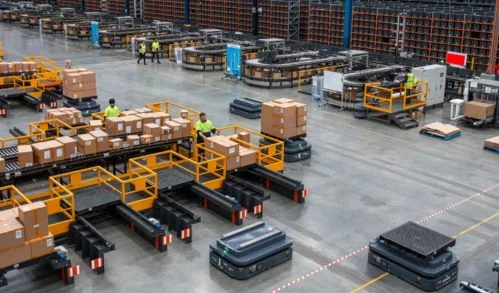
An AS/RS eliminates strenuous manual cart pushing and forklift transit, shifting warehouse associates into technical, supervisory, and quality assurance positions. Workers take on roles as system monitors, maintenance technicians, pick-station packers, and inventory controllers.
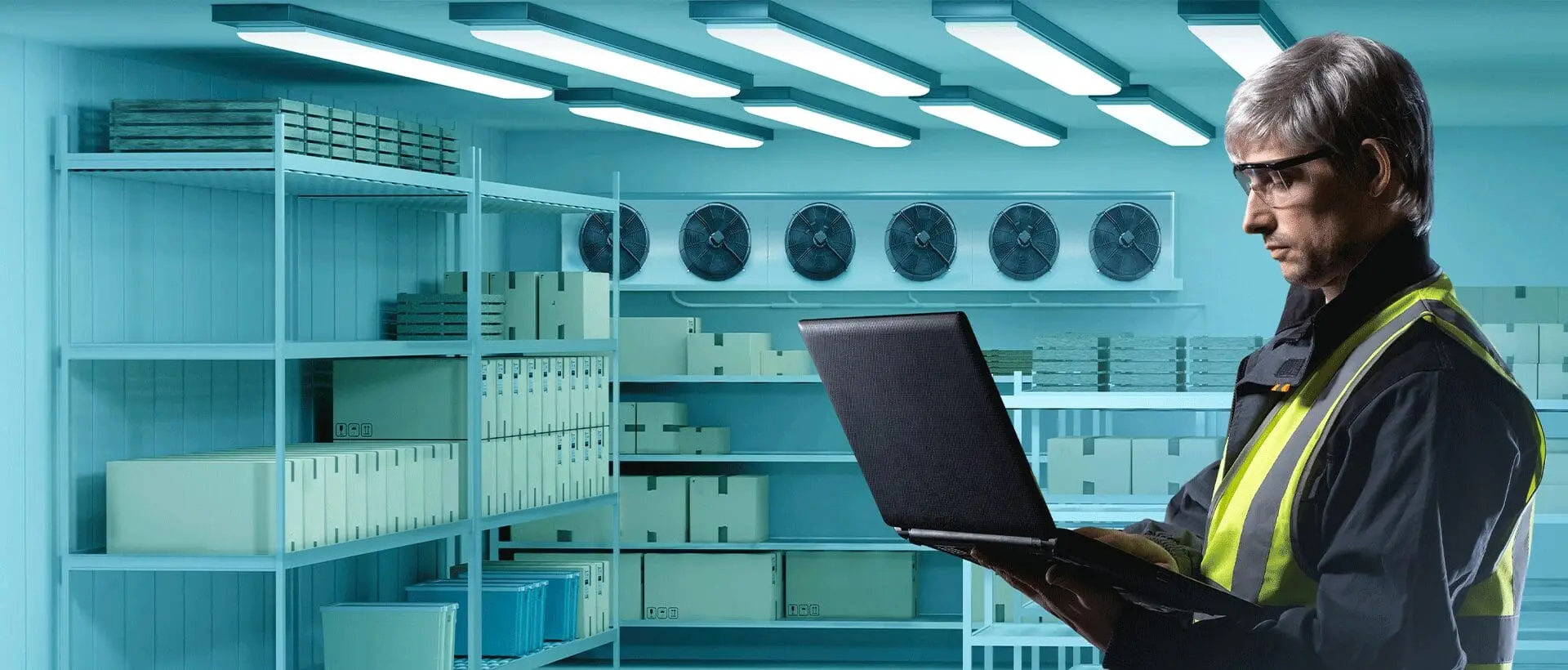
Staff manage pick stations, clear exceptions, and direct order workflows through centralized touchscreen interfaces while overseeing the performance of the robotic racking system, storage and retrieval system, and automated warehouse processes. -
What level of training is required to operate and maintain an AS/RS across Americas facilities?
Operating an AS/RS requires baseline training on control interfaces, run-time monitoring, and facility safety interlocks, which operations teams typically complete within several days. Addverb provides on-site training and technical maintenance support during commissioning across North America.
For ongoing operations, Addverb software specialists support US sites with remote diagnostics, resolving up to 85% of issues remotely. Training also covers automated storage systems, automated retrieval systems, and overall automated storage and retrieval system operations. -
Can an AS/RS be customized for specific facility layouts in North America?
Yes, an AS/RS is modular and custom-configured around available building dimensions, environmental constraints, and throughput requirements. System designs adjust carrier quantities, rack elevations, vertical reciprocating conveyors (VRCs), and goods-to-person stations to match distinct operations.
Facilities can start with an inbound buffer or staging module and expand with additional shuttles or storage bays as business volume grows without replacing the core base system. This flexibility allows businesses to deploy customized automated storage solutions and scalable automated storage systems. -
What is automated storage and retrieval system?
An automated storage and retrieval system (AS RS) is a fully automated storage solution used in warehouses and distribution centres to store and retrieve cartons, components, and pallet loads using a robotic storage system and intelligent software controls.
It combines automated storage systems, automatic storage retrieval systems, specialised racking structures, warehouse software, and automated retrieval systems to maximise storage density, improve throughput, and support modern warehouse operations. Technologies such as mini load ASRS, automated parts storage solutions, pallet automation technologies, and advanced racking systems improve inventory accuracy and warehouse productivity.
As one of the most advanced forms of automated storage and retrieval systems AS RS, the technology helps businesses optimise storage space, reduce manual handling, and improve operational efficiency through intelligent automation.