



ON THIS PAGE
During a big sales event, a fulfilment centre that handles thousands of parcels can quickly come under pressure to sort fast and accurately so that it can meet delivery timelines. With the increase in order volumes, sorting through traditional methods becomes quite difficult, resulting in delays and more chances of errors. This increased level of difficulty has made it necessary for present-day warehouses to adopt automation technology to handle such high-volume movements of parcels.
Increased use of sortation robot technology in the fulfilment centres of the USA is facilitating the improvement in parcel sorting, routing, and dispatching processes. According to Grand View Research, the global parcel sortation systems market was valued at USD 2 billion in 2023 and is projected to reach USD 3.7 billion by 2030, growing at a CAGR of 9%. This development demonstrates the growing need for quicker and more accurate sorting systems due to changes in customer expectations.
Why Are Sortation Robots Better to Handle High Parcel Volumes Than Manual Sorting?
Manual sorting depends very much on the availability of the workforce, their speed, and accuracy. This becomes more and more difficult as parcel volumes grow, especially during seasonal peaks or promotional periods. Manual mistakes, inconsistent processing time, and shortage of labour cause congestion and delay order fulfilment.
Modern robotic sorting systems remove many of these constraints because they perform parcel sorting and identification at a constant rate and with high accuracy. This enables them to handle large orders without experiencing the fatigue that comes with manual sorting procedures.
Some of the biggest advantages include:
- Higher processing capacity throughout the day.
- Improved sorting accuracy with minimal manual intervention.
- Reduced dependence on seasonal labour.
- Better scalability as parcel volumes continue to grow.
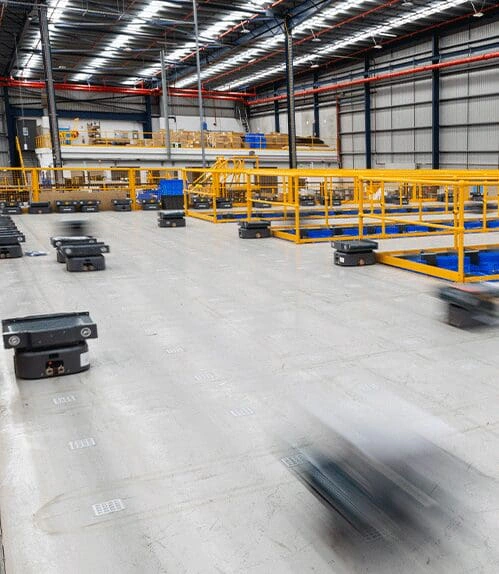
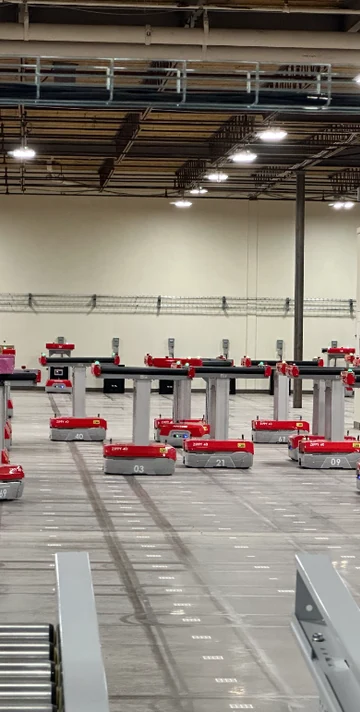
Addverb’s robotic sorter, Zippy, is designed to support these advantages in high-volume fulfilment environments. The robotic sorter automates parcel identification and routing with high precision, helping fulfilment centres maintain consistent throughput throughout the day.
Depending on the variant, Zippy can handle payloads of up to 88 lbs, follows predefined paths without human intervention, and efficiently directs parcels to their designated destinations. This combination of speed, accuracy, and reliable operation helps warehouses process growing parcel volumes while maintaining smooth workflows during peak demand. Fulfilment centres in the USA can achieve better efficiency and scalability through robotic sortation technology for their operations.
Also Read: Why Sortation Robots Are Essential for Reducing Picking Errors
Impact of Robotic Sortation on High-Volume Parcel Processing
| Metric | Manual Sorting | Robotic Sortation |
| Parcels Processed per Hour | Lower throughput | Higher throughput |
| Sorting Accuracy | Higher error rate | Significantly higher accuracy |
| Labour Dependency | High | Lower |
| Peak Season Performance | Capacity constraints | Stable, scalable performance |
| Order Processing Speed | Slower | Faster |
Which Stages of Parcel Handling Are Optimised by Sortation Robots?
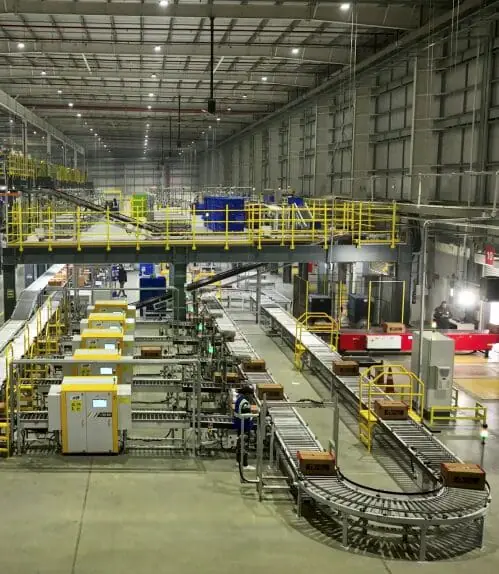
Various interconnected processes are involved in parcel transportation, and a delay in any of these operations can lead to poor fulfilment performance. A sorter robot helps streamline this process by ensuring automated material handling from induction to dispatch, reducing manual handling while maintaining consistent throughput in fulfilment centres across the USA.
The key stages optimised through robotic sortation include:
- Parcel identification using barcode and label scanning.
- Automated routing to the correct destination lane.
- Order consolidation before packing and shipping.
- Outbound staging for faster vehicle loading.
Addverb’s Warehouse Fleet Management System, Movect, provides centralised control and coordination of Addverb’s robotic fleet, including the robotic sorter, Zippy. It monitors robot operations, intelligently allocates tasks using advanced scheduling algorithms, and optimises robot utilisation to maximise throughput. With support for standard communication protocols, Movect also enables seamless integration and efficient coordination across multiple robots within a single warehouse.
What Technologies Enable Sortation Robots to Maintain Speed and Accuracy at Scale?
High-volume robotic sorting depends on intelligent technologies working together rather than automation alone. According to Zipdo, robotic sorting systems improve sorting accuracy by 35% while reducing labour costs by 22%. These improvements allow facilities to process more packages while requiring minimal human intervention.
Key technologies enabling high-speed robotic sortation include:
- Machine vision for accurate parcel identification.
- Barcode scanners for fast and reliable package recognition.
- Sensors for real-time tracking and movement monitoring.
- Warehouse management software for synchronised order processing.
- Intelligent routing algorithms for precise parcel diversion.
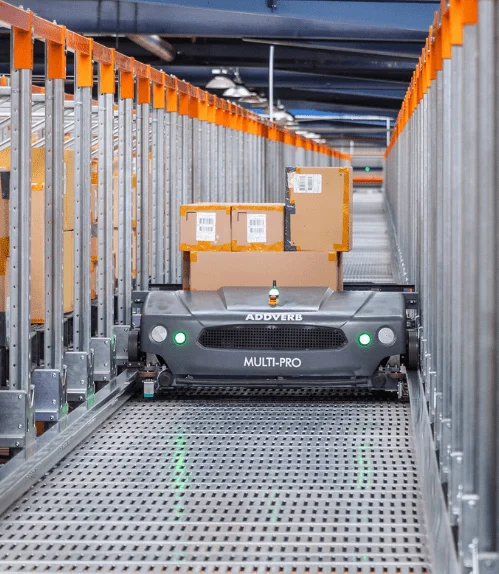
Addverb’s vertical sortation robot, SortIE, maximises throughput while occupying minimal floor space. Its vertical design enables efficient parcel diversion without increasing the fulfilment centre footprint. It can handle payloads of up to 22 lb, operate at speeds of 9.84 ft/s, and deliver up to 400 sorts per hour, making it suitable for high-volume sorting operations.
How Do Sortation Robots Improve Fulfilment Performance During Peak Order Volumes?
The busy season of shopping creates huge pressure on fulfilment operations because of increased parcel volumes. Manual sorting often cannot sustain the processing speed required to meet delivery commitments, resulting in delays and operational bottlenecks. A warehouse robotic sortation solution ensures consistent, high-speed parcel sorting, enabling warehouses to remain productive during peak periods.
- Maintains consistent throughput despite sudden spikes in order volumes.
- Reduces processing delays by keeping parcel movement continuous.
- Supports accurate order fulfilment while lowering dependence on temporary labour.
Robotic systems reduce congestion at sorting points and improve parcel flow, shortening processing times while maintaining delivery accuracy. They also minimise the need for seasonal staffing, making operations more predictable even during demand surges. This enables fulfilment centres across the USA to maintain high service levels without compromising operational efficiency.
What Should US Fulfillment Centers Consider When Scaling Robotic Sortation Operations?
The expansion of robotic sortation goes beyond just adding equipment. It is important that fulfilment centres consider their current needs, future growth strategy, and existing infrastructure to maximise benefit through automation. This ensures that the implementation of automation is smooth and that it is scalable with an increasing number of parcels.
Key considerations include:
- Integration with warehouse management and material handling systems
- Facility layout and available floor space
- Future scalability for higher order volumes
- Workforce training and change management
- Ongoing maintenance and system support
Considering all these factors enables parcel sortation systems to work effectively and sustainably for the future development of fulfilment centres in the USA
Also Read: Benefits of Automated Smart Warehousing for Large Warehouses
Case Studies: How Addverb’s Sortation Automation Helps Fulfillment Centers Process High Parcel Volumes
At an Automated Brake Parts Distribution Centre, the carts used proved to be quite slow, creating bottlenecks and inefficiencies. Addverb’s solution included deploying 25+ robotic sorters to ensure accurate sorting even during seasonal demand fluctuations. As a result, the facility achieved a throughput of 1,250 cases every hour, efficiently routing to 144 sort destinations.
At DHL’s fulfilment centre, the highly labour-intensive sortation process was a major issue, especially because of the high turnover rate and consistent labour shortages. Within a time frame of 8 months, Addverb successfully delivered robotic sortation system solutions by leveraging its in-house manufacturing and integration capabilities. Thanks to such a comprehensive solution, a throughput of 1000 sorts/hour was achieved.
Conclusion
Growing parcel volumes require fulfilment centres to move beyond manual sorting and adopt smarter automation strategies. Intelligent sorting robots improve processing speed, accuracy, and scalability while helping warehouses respond to rising customer expectations and tighter delivery timelines. With the help of intelligent robotics and software integration, Addverb enables fulfilment centres in the USA to create capable facilities that can manage high parcel volumes effectively.
FAQs
1. How do sortation robots work in fulfillment centers?
Addverb’s sortation robots, equipped with sensors, scanners and smart control software, automatically recognise, divert and direct parcels to the right location.
2. How do sortation robots increase warehouse efficiency?
Addverb’s robotics solutions reduce manual handling, boost sorting accuracy and increase throughput to support faster order fulfilment.
3. What types of parcels can sortation robots handle?
Depending on the operational requirements and system configuration, Zippy by Addverb can handle packages of varying sizes and weights.
4. Can robotic sorters support same-day shipping?
Yes. Robotic sorters speed up the processing and routing of parcels, so fulfilment centres can keep up with the demanding same-day shipping schedule.
5. What automation solutions improve parcel sorting in US warehouses?
US warehouses are getting faster, more accurate, and scalable with the help of integrated robotic sorting solutions, warehouse management software and intelligent sortation technology.