



AUF DIESER SEITE
Typische Schwierigkeiten, mit denen ein durchschnittliches Lager in India konfrontiert ist, India beim Gabelstaplerbetrieb India , wo es bei der Abwicklung großer Aufträge aufgrund menschlicher Fehler zu Verzögerungen kommt. Dabei handelt es sich um übliche Schwierigkeiten, die keine Einzelfälle sind, sondern vielmehr regelmäßige Herausforderungen darstellen, die einen reibungslosen Betriebsablauf behindern. Da zudem immer mehr Bestellungen eingehen und die Lieferfristen immer kürzer werden, führen solche Probleme zu erheblichem Druck und einer erheblichen Kostenbelastung.
Laut einer 2026 in MDPI veröffentlichten systematischen Übersicht erreichen autonome Gabelstapler eine Positioniergenauigkeit von ±1,4 mm, eine Objekterkennungsgenauigkeit von über 98 % und eine Verkürzung der Bearbeitungszeit um bis zu 55 %, wodurch Lager eine präzisere Palettenplatzierung und deutlich schnellere Lagerabläufe erzielen können. Durch den Einsatz von Technologien wie robotergesteuerten Gabelstaplern lassen sich manuelle Fehler im Lager vermeiden.
Wo treten Fehler bei der manuellen Handhabung häufig auf?
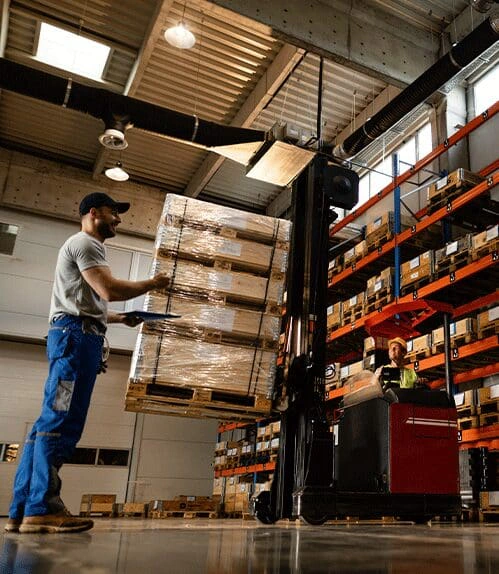
In Lagerbetrieben mit hohem Durchsatz kann bereits die falsche Platzierung einer einzigen Palette mehrere nachgelagerte Prozesse stören. Bei der Be- und Entladung, dem Stapeln und dem Transport von Paletten kommt es häufig zu Handhabungsfehlern. Der Mitarbeiter kann Entfernungen falsch einschätzen, was zu einer falschen Platzierung oder sogar zu Schäden an den Produkten führen kann. Unter Zeitdruck kann es vorkommen, dass die falsche Palette aufgenommen oder an einem falschen Ort abgestellt wird.
Diese Fehler treten am häufigsten in Bereichen mit hohem Durchsatz auf, wie beispielsweise an Wareneingangsrampen, in eng befahrenen Lagergängen und in Versandbereichen, in denen Geschwindigkeit Vorrang vor Präzision hat. Selbst geringfügige Ablagefehler in diesen Bereichen können nachgelagerte Prozesse wie die Kommissionierung und die Auftragszusammenführung beeinträchtigen.
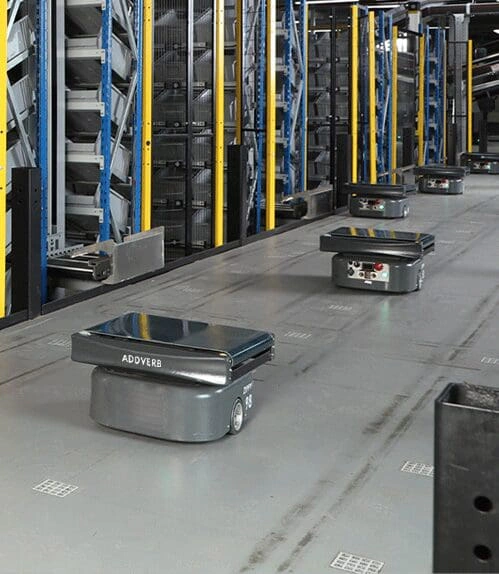
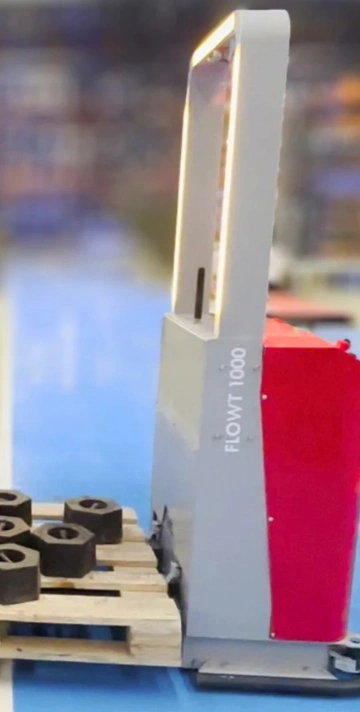
Sichtprobleme, Ermüdung und Uneinheitlichkeit im Qualifikationsniveau der Bediener tragen allesamt zu einem höheren Fehlerrisiko bei. Manuelle Arbeitsabläufe sind in den meisten Lagern eine Quelle von Ineffizienz, weshalb autonome Gabelstapler (AMR) benötigt werden. Der autonome Gabelstapler FlowT Addverblöst diese Probleme, indem er durch standardisierte Abläufe für Konsistenz sorgt und menschliche Entscheidungsfindungen einschränkt. Er kann Materialien mit einem Gewicht von 1.000 bis 2.000 kg mit einer Geschwindigkeit von 1,5 m/s transportieren und reduziert so Verzögerungen und Fehler im Vergleich zum manuellen Materialtransport.
Lesen Sie auch: Autonome Gabelstapler für den Materialtransport
Wie verhindern Roboterstapler Fehler beim Abstellen und Umschlagen?
Die größte Einschränkung beim manuellen Gabelstaplerbetrieb ist die schwankende Platzierungsgenauigkeit unter Zeitdruck. Roboter-Gabelstapler arbeiten auf der Grundlage fortschrittlicher Navigationssysteme, Sensoren und künstlicher Intelligenz. All diese Technologien sorgen für Genauigkeit, Effizienz und Präzision beim Transport der Lasten. Im Gegensatz zu herkömmlichen Systemen folgen Roboter-Gabelstapler während ihres Betriebs vordefinierten Pfaden und Anweisungen. Dadurch entfällt die Abhängigkeit vom Ermessen des Bedieners und es wird sichergestellt, dass jede Bewegung mit gleichbleibender Genauigkeit ausgeführt wird, unabhängig von der Arbeitsbelastung oder den Schichtbedingungen.
Ein fahrerloser Gabelstapler übernimmt unter anderem folgende Aufgaben:
- Ermittlung des Standorts der Paletten.
- Sich richtig positionieren.
- Die Materialien mit möglichst geringen Abweichungen stapeln.
Dadurch werden Fehler, die durch Fehlausrichtung oder unsachgemäße Platzierung entstehen, auf ein Minimum reduziert. Zudem gewährleistet die automatische Bewegung einen reibungslosen Transport innerhalb der Lagerbereiche. Darüber hinaus sorgen diese Systeme für einheitliche Stapelmuster und kontrollierte Transportgeschwindigkeiten, was das Risiko von Produktschäden während des Transports und der Lagerung weiter verringert.
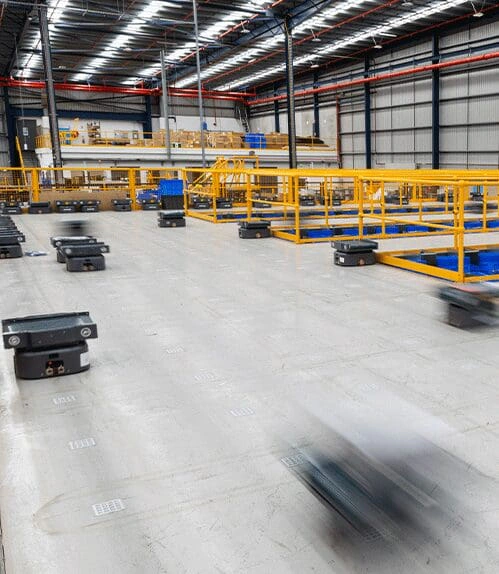
Darüber hinaus ermöglicht die Echtzeitverarbeitung diesen Maschinen, auf jegliche Änderungen im Layout oder im Arbeitsablauf zu reagieren. Der autonome Gabelstapler Addverb, der mit LiDAR, Sicherheitssensoren und Hubgabeln ausgestattet ist, gewährleistet, dass alle Paletten in indischen Lagern korrekt umgeschlagen werden, wodurch das Risiko von Beschädigungen minimiert und die Lagergenauigkeit erhöht wird.
Wie verbessern Roboterstapler die Sicherheit, die Einhaltung von Vorschriften und den Materialfluss in Lagern?
Eines der wichtigsten Anliegen im Lagerbetrieb in India die Sicherheit, insbesondere beim Transport schwerer Lasten. Robotersysteme sind mit Sensoren ausgestattet, um Hindernisse zu erkennen und ihre Bewegung zu steuern. Dadurch wird die Wahrscheinlichkeit von Unfällen während des Transports minimiert.
Laut Gitnux können KI-gesteuerte Gabelstapler bis zu 95 % der Unfälle im Lager verhindern und gleichzeitig die Arbeitsgeschwindigkeit um 25 % steigern. Ein AMR-Gabelstapler ist eine Lösung, die durch kontrollierte und vorhersehbare Bewegungen sowohl einen sicheren Betrieb als auch die Einhaltung der Branchenvorschriften gewährleistet.
Darüber hinaus sorgen AGV-Gabelstapler durch die Verringerung von Staus in Bereichen mit hohem Verkehrsaufkommen für einen reibungslosen Materialfluss. Da diese Systeme über effiziente Fahrwege verfügen und kontinuierlich im Einsatz sind, verläuft der Materialfluss im Lager wesentlich reibungsloser.
In welchen Bereichen der Lagerwirtschaft kommen autonome Gabelstapler in India zum Einsatz?
Autonomer Gabelstapler – FlowT :
• Führt den Transfer vom Boden zum Förderband und umgekehrt durch.
• Bewältigt Übergaben von Förderband zu Förderband über unterschiedliche Höhen hinweg (z. B. 400 mm bis 600 mm).
• Unterstützt das Ein- und Auslagern von Paletten über n+1- und n+2-Regalböden hinweg.
• Ermöglicht regalübergreifende Übergaben zwischen verschiedenen Lagerebenen.
• Lässt sich in AMR-Andockstellen integrieren, um koordinierte Arbeitsabläufe mit mehreren Robotern zu ermöglichen.
Autonomer Palettenhubwagen – FlowT :
• Transportiert beladene Paletten aus den Wareneingangsbereichen zu den Lagerplätzen am Ende der Gänge.
• Übernimmt den Transport von Paletten aus dem Lager in die Versandbereiche.
• Sorgt für die Versorgung der Bereitstellungs- und Produktionsbereiche mit leeren Palettenstapeln.
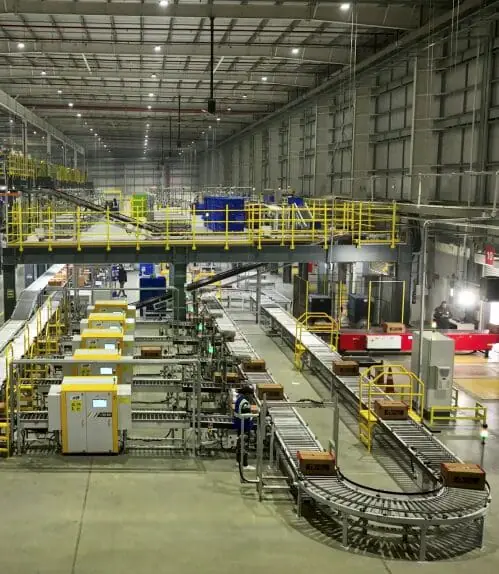
• Transportiert Rollkäfige und Transportwagen zwischen Lager-, Verpackungs- und Montagebereichen.
• Ermöglicht den Just-in-Time-Materialtransport zwischen den Arbeitsstationen.
• Unterstützt den Transport in Pufferzonen, um den Arbeitsablauf auszugleichen und den Platz optimal zu nutzen.
Lösungen wie der autonome Gabelstaplerroboter und der autonome Hubwagen sorgen dafür, dass diese Aufgaben in komplexen Lagerabläufen präzise und einheitlich ausgeführt werden.
Welche finanziellen Auswirkungen hat die Beseitigung manueller Bearbeitungsfehler?
Fehler bei der Warenabfertigung in den indischen Lagern können zu beschädigten Produkten, falschen Bestellungen und höheren Personalkosten führen. Langfristig wirken sich solche Probleme auf die Rentabilität und die Kundenzufriedenheit aus. Der Einsatz von Robotern hilft, diese versteckten Kosten zu vermeiden, indem Fehler minimiert werden.
Der Einsatz von Automatisierung verringert den Bedarf an menschlicher Arbeitskraft, erfordert keine Schulung und liefert einheitliche Ergebnisse. Mobile Roboter wie der autonome Palettentransporter reduzieren zudem Fehler und Verluste, die durch Fehlplatzierungen und Beschädigungen des Lagerbestands entstehen.
Eine höhere Effizienz und weniger Fehler führen zu einer schnelleren Auftragsabwicklung und einer höheren Kundenzufriedenheit, was ein wesentlicher Faktor für die Steigerung des Umsatzes und die Sicherung der Kapitalrendite ist. Damit ist die Automatisierung eine kluge und zugleich wirtschaftlich sinnvolle Entscheidung für moderne indische Lagerbetriebe.
Lesen Sie auch: Automatischer Gabelstapler vs. herkömmlicher Gabelstapler – Was eignet sich besser für die Lagerautomatisierung?
Auswirkungen von Roboterstaplern auf die Fehlerreduzierung und die Lagereffizienz
Diese vergleichende Analyse beleuchtet, wie ein autonomer Palettenhubwagen dazu beitragen kann, die Effizienz zu steigern und Fehler in wichtigen Leistungsbereichen des Lagers zu minimieren. Es ist unerlässlich, sich über die Vorteile im Klaren zu sein, bevor Sie sich den Preis für einen autonomen Gabelstapler ansehen.
| Metrisch | Manuelle Handhabung | Roboter-Gabelstapler |
| Fehlerauftreten | Häufig und uneinheitlich | Minimalistisch und streng kontrolliert |
| Geschwindigkeit der Auftragsabwicklung | Langsamer aufgrund manueller Abhängigkeiten | Schneller durch kontinuierliche Bewegung |
| Arbeitssicherheit | Erhöhtes Unfallrisiko | Mehr Sicherheit durch sensorgesteuerte Regelung |
| Genauigkeit bei der Lagerplatzierung | Neigt dazu, verlegt zu werden | Äußerst präzise und gleichbleibend |
Schlussfolgerung
Roboter-Gabelstapler revolutionieren die Lagerbranche, indem sie das Risiko menschlicher Fehler minimieren und gleichzeitig die Effizienz steigern. Dank der Präzision und Genauigkeit, die Roboter-Gabelstapler bei der Materialhandhabung bieten, eignen sie sich ideal für die heutigen Lagerumgebungen.
Dank höherer Zuverlässigkeit und minimierter Fehler können Lagerbetriebe ihre Abläufe besser kontrollieren. Addverb diesen Wandel mit seinen autonomen Gabelstaplerlösungen, die eine präzise und skalierbare Materialhandhabung ermöglichen.
FAQs
- Wie reduzieren Gabelstaplerroboter manuelle Handhabungsfehler in Lagern?
Sie nutzen Sensoren, Automatisierung und präzise Navigation, um eine exakte Platzierung und Bewegung von Materialien zu gewährleisten und so menschliche Fehler zu vermeiden. - Sind Roboterstapler für die Bedingungen in indischen Lagern geeignet?
Ja, der autonome Stapler Addverbist speziell für dynamische Umgebungen, beengte Platzverhältnisse und unterschiedliche Betriebsbedingungen in indischen Lagern ausgelegt. - Welche Arten von Fehlern lassen sich mit Roboter-Gabelstaplern vermeiden?
Sie reduzieren Ablagefehler, Produktschäden, falsche Weiterleitung und fehlerhaftes Stapeln bei Materialtransportvorgängen. - Welche Auswirkungen haben Roboterstapler auf die Sicherheit im Lager?
AddverbDie AMR-StaplerlösungenAddverbtragen durch sensorgestützte Navigation und kontrollierte Bewegungen erheblich zur Verringerung von Unfällen bei und verbessern so die Sicherheit am Arbeitsplatz. - Warum sind autonome Gabelstapler für moderne indische Lager wichtig?
AddverbDer autonome GabelstaplerAddverbträgt dazu bei, die Effizienz zu steigern, Kosten zu senken, die Sicherheit zu erhöhen und skalierbare Abläufe in schnell wachsenden Lagerumgebungen zu unterstützen.