



ON THIS PAGE
A single missing item in a warehouse can delay an entire order cycle, disrupt fulfilment timelines, and erode customer trust within hours. Stockouts in USA-based warehouses have become increasingly prevalent amid higher order volumes, omnichannel fulfilment, and shorter delivery time windows. Traditional systems cannot easily handle real-time stock movements due to high demand and supply discrepancies.
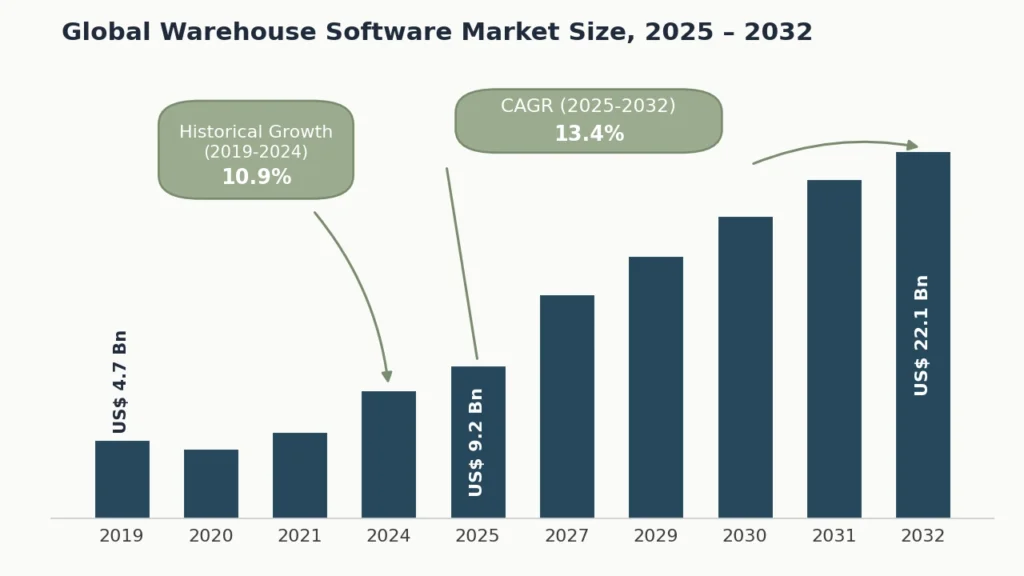
This is where the role of warehouse control software becomes transformational. The technology facilitates real-time monitoring, automation coordination, and accurate inventory management, allowing warehouses to avoid stock shortages and ensure regular availability of products. According to NMSC, the Warehouse Control System market size is expected to grow from USD 3.55 billion in 2023 to USD 10.12 billion in 2030. As more companies embrace automation solutions, the importance of warehouse control systems is becoming critical for maintaining proper material flow and stock placements.
Where Do Stockouts Actually Originate From Inside Warehouse Operations?
Stockouts frequently arise due to inefficiencies in operations rather than scarcity in supplies. Slow replenishment, incorrect information on inventory, and a lack of coordination among different systems are important causes of stock shortages.
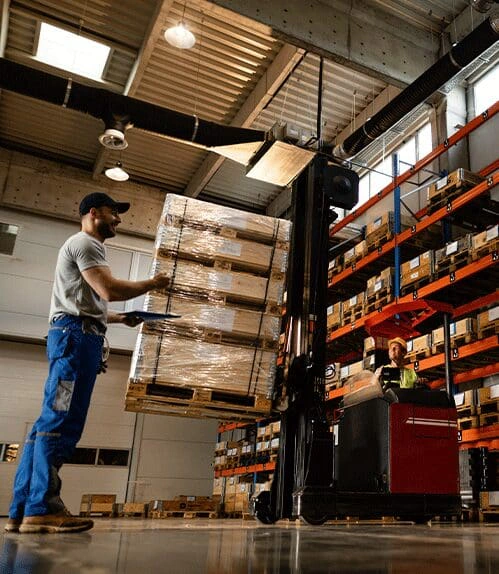
Disconnected systems and manual processes cause visibility problems that make it hard to monitor stock movements across storage, picking, and dispatch zones. Common stockout situations inside warehouses include:
- Fast-moving SKUs not being replenished to picking locations on time
- Inventory stored in incorrect rack or bin locations due to manual errors
- Delayed inventory updates after picking or dispatch activities
- Picking teams unable to locate available stock despite system availability
- Lack of coordination between inbound receiving and storage allocation processes
For example, an e-commerce warehouse during peak sales periods may show inventory availability in the system, but delays in restocking from the reserve area into the pick-up section can hinder order fulfillment. Also, in pharmaceuticals and FMCG warehouses, barcode scanning and manual inventory recording errors can lead to discrepancies between actual and recorded stock levels. Without a reliable warehouse stock control system, such visibility gaps increase the likelihood of stock shortages, delayed deliveries, and order cancellations.
Also Read: Top 7 Challenges in Implementing Automated Warehouse Robots
How Does Warehouse Control Software Work?
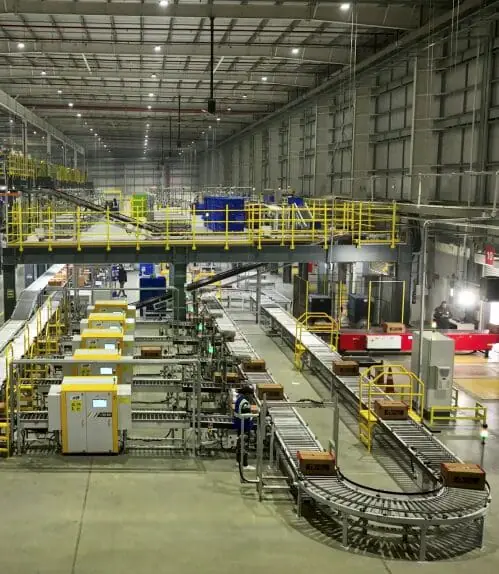
A WCS warehouse control system, such as Addverb’s Mobinity, serves as the control centre that bridges higher-level planning systems and on-site warehousing execution. It works between systems such as WMS, WES, ERP, and MES, and controls automation hardware using scanners, sensors, and PLCs. It includes multiple functional layers, such as:
- Machine control.
- Device command execution.
- A communication layer that translates system instructions into real-time actions.
This enables the various components of automation to work together efficiently, ensuring the movement of materials within the warehouse is seamless.
With Mobinity, warehouse operations are dynamically directed and integrated through real-time tracking of inventory, equipment, and workflow processes. The system enables managers to monitor their warehouse operations from start to finish, facilitating faster decision-making and efficient coordination of all activities on the warehouse premises.
Which Robots and Automation Systems Work with Warehouse Control Software?
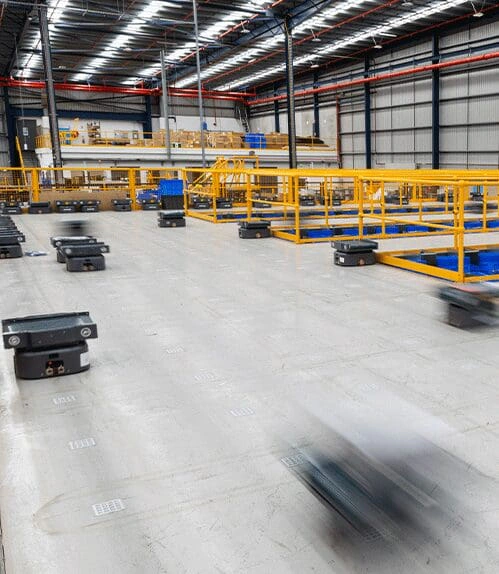
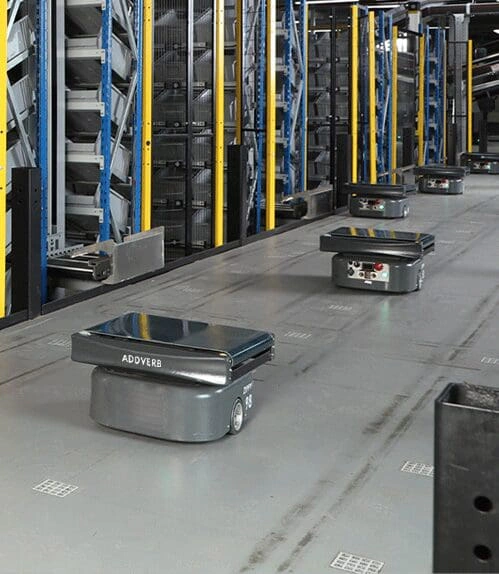
Modern warehouse control solutions support integration with numerous automated systems to achieve efficient warehouse operations. The automated systems include:
All of these systems are coordinated through a central control platform.
Mobinity interacts with all of these systems through scanners, sensors, and PLCs, allowing for accurate task completion. Through this process, all machines work simultaneously, eliminating delays and increasing throughput speed.
Mobinity improves this integration through the linking of material handling equipment to real-time control and data visibility. This forms an integrated system that operates all automation systems seamlessly, thus facilitating the smooth flow of products.
How Does Warehouse Control Software Orchestrate Real-Time Inventory Flow and Eliminate Replenishment Delays That Cause Stockouts?
A warehouse control system software ensures that there is continuous tracking and resupplying of the inventory, depending on the actual demand. It will track the inventory at different locations and will initiate replenishment tasks when necessary.
By decreasing dependence on manual work, this will prevent any delay in transporting the inventory from the storage area to the picking zones. It guarantees that highly demanded items are always accessible wherever they are required. According to Zipdo, real-time inventory visibility can cut down picking mistakes by 25%, showing how accuracy plays an important role in avoiding stockouts.
How Do Data and Control Systems Predict and Prevent Future Stockouts?
Advanced warehouse stock control software, such as Addverb’s Mobinity, relies on data analytics to detect patterns in stock movement and estimate future demands. Through analysis of past trends and current data, the system can anticipate shortages and ensure that stocks are replenished proactively.
Such an ability to predict enables warehouses to have an optimal stock balance without facing unforeseen shortages. With the Warehouse Control System industry expanding rapidly, more firms have started implementing systems like these to improve operational resilience and ensure consistent product availability.
Also Read: 13 Benefits of Warehouse Automation
Reduction in Stockouts Through Real-Time Warehouse Control Systems
The following comparison reveals the improvements that warehouse control systems make in improving inventory availability.
| Metric | Before WCS Implementation | After WCS Implementation |
| Stockout Frequency | High due to manual tracking | Significantly reduced with real-time monitoring |
| Replenishment Response Time | Delayed and reactive | Faster and automated |
| Inventory Accuracy | Prone to errors | Improved with system-driven updates |
Case Studies: How Addverb’s Solutions Reduced Stockouts Through Better Execution Control
At PAR Pharma’s facility, the primary challenges were insufficient product traceability and manual picking processes. The solution from Addverb included the usage of its WCS, Mobinity, which served as the integration layer between ERP, WMS, PLC, and control systems, ensuring seamless communication and effective warehouse stock control. The facility was able to achieve 100% traceability of products with the help of Mobinity.
At PepsiCo’s facility, the main goal was to increase storage and throughput capacity. Addverb multiple systems, which were seamlessly integrated and powered by its WCS, Mobinity. As a result, low-bay storage systems consisted of G+4 levels, with 3,500 pallet storage positions. Additionally, the facility achieved a system throughput of 300 pallets/hour.
Conclusion
Stockouts are generally attributed to inadequate coordination and a lack of visibility in warehousing operations. Deployment of advanced warehouse control solutions facilitates monitoring, rapid restocking, and precision. Addverb is geared towards achieving this objective through intelligent automation and control systems that ensure continuous product availability at warehouses.
FAQs
1. How does warehouse control software prevent stockouts?
It enables real-time inventory tracking and automated replenishment to ensure products are always available in required zones. Addverb’s Mobinity enhances this by coordinating equipment and inventory flow to eliminate delays that lead to stockouts.
2. Can WCS improve real-time inventory visibility?
Yes, it provides continuous visibility into stock levels, locations, and movement across the warehouse. Addverb’s warehouse control system offers a unified view of inventory and operations, enabling faster and more accurate decision-making.
3. How can automation improve warehouse inventory control?
Automation reduces manual errors and ensures consistent movement of materials across storage and picking zones. With Addverb’s integrated systems, warehouses achieve higher accuracy and better control over inventory flow.
4. Can WCS reduce delays in warehouse operations?
Yes, it synchronises tasks across systems and equipment, reducing idle time and operational bottlenecks. This coordination ensures faster execution of processes and smoother warehouse operations overall.
5. How quickly can WCS detect low stock levels?
A WCS can detect low stock levels instantly through real-time monitoring and predefined thresholds. This allows immediate replenishment actions, preventing stockouts and maintaining fulfilment efficiency.