Viele Lagerhäuser berichten, dass sie zu über 85 % ausgelastet sind.
(CBRE, 2023)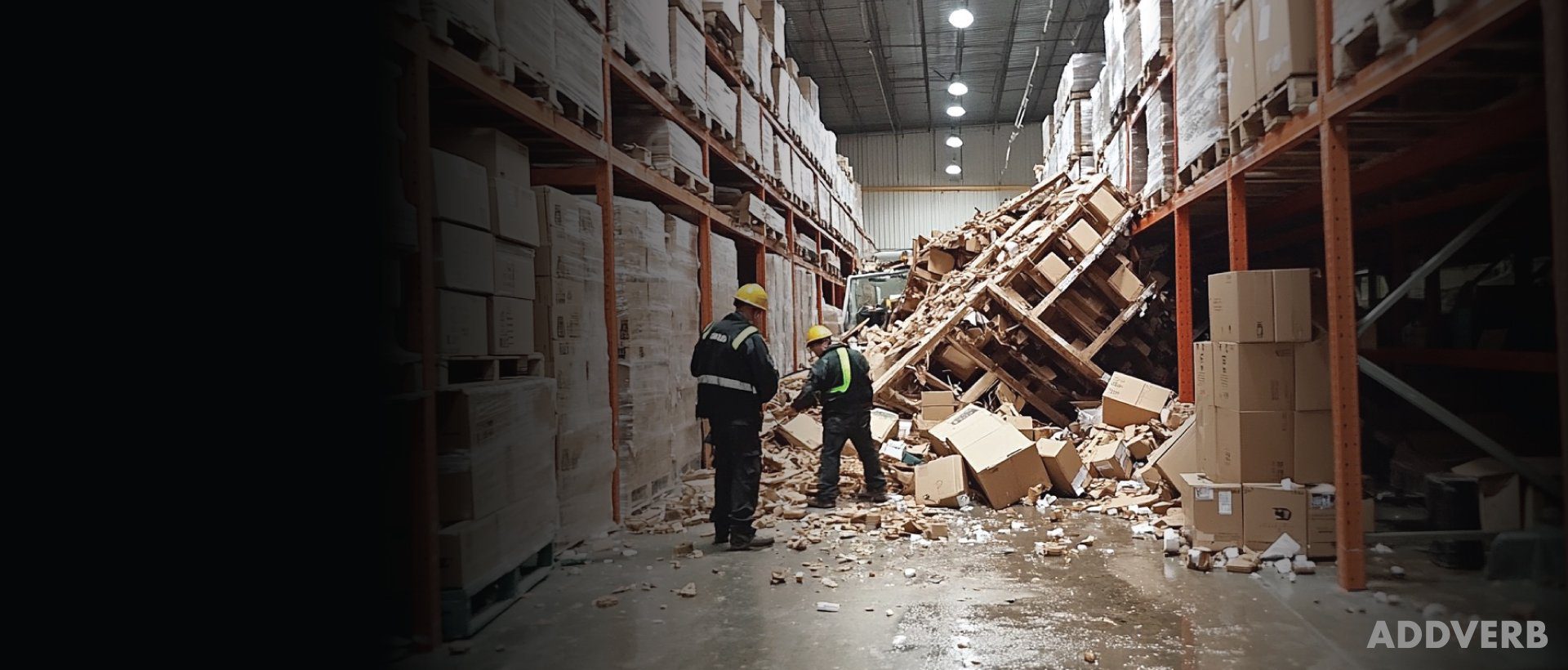
Die wahren Kosten der Nichtautomatisierung Ihres Lagers
12 Minuten Lesezeit | Aktualisiert im Dez. 2024

• Die finanziellen und betrieblichen Kosten, die durch die Nichtautomatisierung Ihres Lagers entstehen.
• Praxisnahe Daten und Branchentrends, um die Vorteile der Automatisierung zu verdeutlichen.
• Wie Automatisierung Produktivität, Genauigkeit und Skalierbarkeit verbessern kann.
Schnelle und fehlerfreie Lieferungen sind heute ein wesentlicher Bestandteil der Kundenzufriedenheit. Da über 79 % der Supply-Chain-Experten planen, ihre Lager bis 2027 zu automatisieren, hat sich die Intralogistiklandschaft grundlegend verändert. Die entscheidende Frage für Unternehmen lautet nun nicht mehr „Sollen wir automatisieren?“, sondern vielmehr „Können wir es uns leisten, die Automatisierung hinauszuzögern?“
In diesem Whitepaper untersuchen wir die erheblichen Kosten, die durch die Nichtautomatisierung Ihres Lagers im Zusammenhang mit der Aufrechterhaltung manueller Lagerabläufe entstehen, und erläutern, warum die Automatisierung für einen nachhaltigen Wettbewerbsvorteil in einem sich schnell entwickelnden Wettbewerbsumfeld unerlässlich ist
Lagerfachleute denken über Automatisierung nach
Betriebsleiter streben nach verbesserter Genauigkeit und Geschwindigkeit
Fachleute im Bereich Lieferkettenmanagement suchen nach nachhaltigen Methoden zur Kosteneinsparung
Geschäftsinhaber, die ihre Geschäftstätigkeit ausweiten möchten, um zu wachsen
Ineffizienz in Lagern kann Unternehmen jährlich Millionen kosten. Fehlende Automatisierung ist nicht nur eine technologische Lücke, sondern ein strategischer Rückschlag. Automatisierung kann die Produktivität um 25 % steigern und Fehler um über 70 % reduzieren. So werden Betriebsabläufe transformiert und für eine Zukunft, die von Agilität, Resilienz und Nachhaltigkeit geprägt ist, zum Erfolg geführt. Sie entscheidet über Überleben oder Führung.
Kunden erwarten heutzutage hohe Preise für Premium-Lieferungen – ein Trend, der maßgeblich durch den „Amazon-Effekt“ bedingt ist. Sie wünschen sich Lieferungen innerhalb von ein bis zwei Tagen sowie ein reibungsloses und angenehmes Einkaufserlebnis mit Sendungsverfolgung in Echtzeit. Unsere Studie zeigt, dass beeindruckende 91 % der US-Verbraucher ihre Pakete aktiv verfolgen: 39 % tun dies einmal täglich und 19 % sogar mehrmals täglich.
39 % verfolgen sie einmal täglich, und 19 % verfolgen sie mehrmals täglich.
In der Gartner-Studie „Realization of Industry 4.0“ aus dem Jahr 2019 gaben 79 % der Befragten an, dass ihre Betriebsabläufe bis 2025 von Menschen gesteuerte Prozesse sein würden, die durch digitale Prozesse verstärkt würden. Knapp 18 % der Befragten glaubten, dass sich ihre Betriebsabläufe in Richtung einer Zukunft mit völlig automatisierten, dunklen Lagerhallen entwickeln würden (Gartner, 14. Juli 2020).
Angesichts globalerer Lieferketten, steigender Lohnkosten, zunehmenden Drucks auf 24-Stunden-Lieferungen und gestiegener Kundenerwartungen geraten Unternehmen mit geringer logistischer Unterstützung in einen erheblichen Wettbewerbsnachteil. Dieses Whitepaper beleuchtet die versteckten Kosten manueller Lagerprozesse und zeigt auf, wie die fehlende Automatisierung zu Ineffizienzen, höheren Kosten und letztlich zu verpassten Marktchancen führen kann.*
Ein durchschnittliches US-Lager verschwendet jährlich 6,9 Wochen mit unnötigen Bewegungen – was die Branche laut Daten des US Census Bureau 4,3 Milliarden Dollar oder 265 Millionen Arbeitsstunden pro Jahr kostet.*
55 % der Führungskräfte im Bereich Supply Chain Management erhöhen ihre Investitionen in Supply-Chain-Technologie und Innovation, wobei 88 % angeben, mehr als 1 Million US-Dollar ausgeben zu wollen. 42 % planen Ausgaben von über 10 Millionen US-Dollar.
Quelle: *MHI-Jahresbericht der Branche, (2024)
Unternehmen streben heutzutage danach, die Kundenzufriedenheit zu steigern und ihre Bemühungen auf die Kundenzufriedenheit durch einen reibungslosen Bestellabwicklungsprozess auszurichten. In der digitalen Welt bedeutet dies, dass eine Online-Bestellung nicht nur pünktlich, sondern sogar früher und fehlerfrei ankommt. Automatisierung, künstliche Intelligenz und Datenanalyse sind drei wichtige Säulen, die die Abläufe in der Lieferkette grundlegend verändern.
Einem aktuellen Bericht von LogisticsIQ zufolge wird der Markt für Lagerautomatisierung bis 2027 voraussichtlich ein Volumen von 41 Milliarden US-Dollar erreichen. Zu den Technologien gehören unter anderem fahrerlose Transportsysteme (FTS) und autonome mobile Roboter (AMR), Fördersysteme, automatische Identifizierung und Datenerfassung, Palettierung und Depalettierung, Regalsysteme und vieles mehr.
Eine Studie zum Thema Humankapital deutete sogar darauf hin, dass 84 % der Unternehmen, die erwarten, dass die Automatisierung die Aufgaben der Belegschaft verändern wird, auch ihre Investitionen in die Umschulung ihrer Mitarbeiter erhöhen.*
Es wird jedoch prognostiziert, dass dieser Prozentsatz bis 2027 auf 79 % ansteigen wird. Dieser Trend wird durch den anhaltenden Arbeitskräftemangel und die Notwendigkeit, die betriebliche Effizienz zu steigern, beeinflusst.*
Quelle: *MHI-Jahresbericht der Branche, 2022.

Da die Logistik- und Lagerbranche zunehmend unter Druck gerät – durch Arbeitskräftemangel, steigende Kundenerwartungen und betriebliche Ineffizienzen –, werden die Kosten einer Nichteinführung von Automatisierung immer deutlicher.
Das US-Arbeitsministerium (Bureau of Labor Statistics) meldet einen Anstieg der Lagerarbeitsplätze um 20,5 % seit 2017. Dieser gestiegene Arbeitskräftebedarf wird jedoch nicht durch ein entsprechendes Angebot an verfügbaren Arbeitskräften gedeckt. Die hohe Mitarbeiterfluktuation bleibt kostspielig, wie Daten des US-Arbeitsministeriums zeigen. Demnach gab es im Dezember 2021 über 4,3 Millionen freiwillige Kündigungen, nach einem Rekordwert im November. Eine aktuelle Umfrage von McKinsey unter fast 600 Arbeitnehmern ergab zudem, dass 44 % wenig bis gar kein Interesse daran haben, innerhalb der nächsten sechs Monate in eine Festanstellung zurückzukehren. Dies führt zu einer zusätzlichen finanziellen Belastung der Unternehmen. Viele Firmen greifen daher auf Zeitarbeitskräfte zurück, was zu Leistungsschwankungen und Fehlern führen kann.*
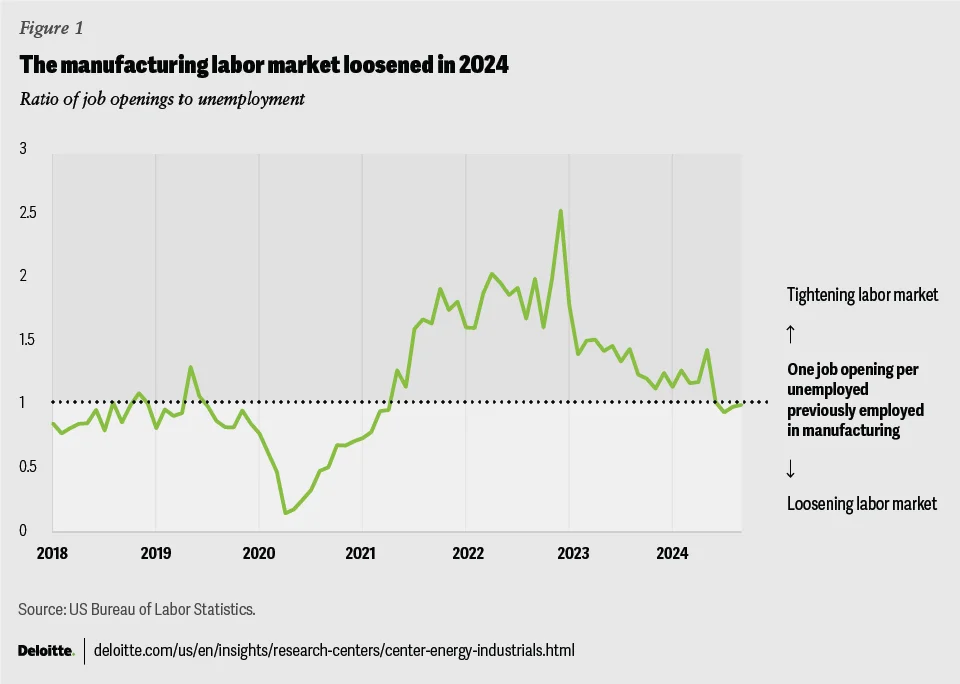
Quelle: *2025 Manufacturing Industry Outlook, Deloitte 2024
Die Rekrutierung und Schulung neuer Mitarbeiter ist teuer, und häufige Personalfluktuationen verschärfen diese Kosten zusätzlich.
Der Einsatz von Zeitarbeitskräften kann die Konstanz beeinträchtigen und zu Betriebsstörungen und mangelnder Zuverlässigkeit führen.
Ohne die notwendigen Arbeitskräfte haben Unternehmen Schwierigkeiten, ihre Geschäftstätigkeit auszuweiten, und verpassen dadurch potenzielle Wachstumschancen.
Quelle: *Wie man das neue Talentspiel spielt und Mitarbeiter zurückgewinnt. McKinsey & Company, 2019
Manuelle Tätigkeiten in Lagerhallen führen häufig zu höheren Verletzungsraten. Laut den jüngsten Arbeitsmarktdaten des US-Arbeitsministeriums (Bureau of Labor Statistics, BLS) lag die Verletzungs- und Krankheitsrate bei Lagerarbeitern bei 5,5 (5,5 %) pro 100 Vollzeitbeschäftigte – ein deutlicher Anstieg gegenüber 4,0 im Jahr 2020.
Die mit manueller Arbeit verbundenen Risiken [wie z. B. sich wiederholende Bewegungen, schweres Heben und die Möglichkeit von Unfällen] können zu kostspieligen Entschädigungsansprüchen, höheren Versicherungsprämien und behördlichen Bußgeldern führen.*
Quelle: *Verbesserung der Sicherheitskultur und der Sicherheitsschulungen im Lager durch Verlusttrendanalyse
Die Nachfrage der Verbraucher nach schnellerem und präziserem Service wächst rasant. McKinsey & Company berichtet, dass über 40 % der Verbraucher eine Lieferung am selben Tag erwarten und 74 % bereit sind, für einen schnelleren Versand mehr zu bezahlen. Statista stellt fest, dass 72 % der Verbraucher nach einer fehlerhaften Bestellung wahrscheinlich nicht zu einer Marke zurückkehren werden. Diese hohen Erwartungen setzen Lagerhäuser unter enormen Druck, Geschwindigkeit, Genauigkeit und Flexibilität zu priorisieren.*
Prognosen zufolge wird der E-Commerce bis 2025 25 % des weltweiten Einzelhandelsumsatzes ausmachen (Deloitte), und Lager stehen vor immer komplexeren Herausforderungen. Der Umgang mit unterschiedlichen Warenarten, schwankenden Auftragsvolumina und die Abwicklung von Multi-Channel-Bestellungen gehören heute zum Standard moderner Lagerlogistik. Manuelle Systeme stoßen an ihre Grenzen und verursachen dadurch kostspielige Ineffizienzen.
Mehrere Einzelhandelsmarken, E-Commerce-Anbieter und Logistikdienstleister haben bereits Betriebsschließungen und Stellenstreichungen ab diesem Jahr angekündigt, von denen über 2.800 Mitarbeiter im Lager- und Vertriebsbereich betroffen sind.*
Quelle: *Die Beschäftigung im Lagerbereich sinkt weiter – und weitere Entlassungen drohen bis 2024
Die Mietpreise für Lagerhallen sind stark gestiegen. In den USA und Kanada erhöhten sie sich 2023 um 6 %, nach einem Anstieg von 30 % im Jahr 2022. Im Südosten und Südwesten der USA waren die Anstiege sogar noch deutlicher, mit Mieterhöhungen von über 10 % in Städten wie Las Vegas und Zentralflorida. Hohe Baukosten und steigende Nachfrage trugen zu diesen Preiserhöhungen bei und erhöhten den Druck auf Lagerhallenbetreiber. Eine effiziente Flächennutzung ist daher wichtiger denn je.
In Mexiko beflügelte die Verlagerung von Produktionsstätten in die Nähe des Marktes die Nachfrage auf Rekordniveau. Dies führte zu einem Anstieg von 8 % gegenüber den bisherigen Höchstständen und ließ die Leerstandsquote mit dem Markteintritt neuer Angebote von 0,9 % auf 1,4 % steigen. Trotzdem sorgten Knappheit und hohe Baukosten für anhaltenden Wettbewerb, was ein beachtliches Mietwachstum von 19 % zur Folge hatte.
In Brasilien führte die Rekordnachfrage nach erstklassigen Büroflächen (AAA) in Verbindung mit einem deutlichen Rückgang neuer Bauprojekte zu einem Absinken der Leerstandsquote um 320 Basispunkte auf ein Rekordtief von 11,4 %. Die Bautätigkeit hat sich aufgrund hoher Schulden deutlich verlangsamt; dieser Trend dürfte die Leerstandsquote weiter senken und die Mieten bis 2024 weiter in die Höhe treiben.
Untersuchungen zeigen, dass Lagerhäuser aufgrund von Ineffizienzen bis zu 30 % ihrer Betriebskosten verschwenden können. Arbeitsintensive Tätigkeiten, suboptimale Arbeitsabläufe und eine mangelhafte Raumausnutzung tragen maßgeblich zu diesen Verlusten bei. Diese Ineffizienzen beeinträchtigen die Rentabilität unmittelbar und behindern das effektive Wachstum von Unternehmen.
Viele Lagerhäuser berichten, dass sie zu über 85 % ausgelastet sind.
(CBRE, 2023)Erwartetes jährliches Wachstum der E-Commerce-Umsätze bis 2030.
(Statista, 2023)Die Verbraucher erwarten heutzutage eine Lieferung innerhalb von zwei Tagen oder weniger.
(McKinsey & Company, 2023)Viele Unternehmen berichten von einem Anstieg der Anzahl der Artikelnummern (SKUs).
(Deloitte, 2023)Lagerhäuser sind nach wie vor auf manuelle Dateneingabe angewiesen und verfügen nicht über automatisierte Standortverfolgungssysteme.
(MHI-Branchenbericht, 2022)Lagerflächen werden häufig auch für andere Zwecke als die Lagerung genutzt, beispielsweise als Bereitstellungsflächen oder zur Produktsortierung.
(Prologis, 2023)Herausforderung: Die zunehmende Anzahl und Vielfalt der vom Kunden gewählten Artikelnummern (SKUs) führt zu komplexeren Lagerabläufen. Dies, kombiniert mit einer hohen Retourenquote, erfordert zusätzliche Bearbeitungsschritte und erschwert die Bewältigung kurzer Lieferzeiten und kleiner Bestellmengen. Darüber hinaus tragen Nachfrageschwankungen und die Anhäufung veralteter Lagerbestände zu betrieblichen Ineffizienzen bei. Die Notwendigkeit einer Omnichannel-Distribution von einem einzigen Lager aus verstärkt die Komplexität zusätzlich und erfordert eine nahtlose Integration der Prozesse, um den unterschiedlichen Anforderungen an die Auftragsabwicklung gerecht zu werden.
Allgemeine Anforderungen: Kommissionierung, Sortierung und Retourenlogistik.

Optimierte Abwicklung von verkaufsfertigen Bestellungen, um den Auspackaufwand für das Personal zu minimieren.
Automatisierte Auftragssequenzierung und -konsolidierung zur Bewältigung des steigenden Auftragsvolumens.
Intelligente Kommissionierstrategien zur Erstellung effizienter Kommissionierchargen und Reduzierung der Kommissionierzeit.
Nachhaltige Praktiken durch die Zusammenlegung mehrerer Bestellungen in einer einzigen Verpackung umsetzen.
Herausforderung: Kurzfristige Verträge führen häufig zu redundanter Infrastruktur, während sich ändernde Marktanforderungen flexible Automatisierungslösungen erfordern. Unzureichende Flächennutzung an Standorten mit mehreren Kunden verschärft die Ineffizienzen zusätzlich, verstärkt durch Personalmangel, der das operative Management belastet. Der Bedarf an Omnichannel-Fulfillment sowie komplexes Retourenmanagement erhöhen die Herausforderung und erfordern agile Systeme, um Flächen optimal zu nutzen, Prozesse zu rationalisieren und eine konsistente Leistung über alle Betriebsabläufe hinweg zu gewährleisten.
Allgemeine Anforderungen: Kommissionierung, Sortierung und Retourenlogistik.

Unsere ASRS-Systeme optimieren die Lagerung durch maximale usades vertikalen Raums.
Unsere Automatisierung senkt Ihre Betriebskosten und begegnet dem Arbeitskräftemangel effektiv.
Unsere Analysen bieten effiziente Einblicke in Lagerbestände, Lagerplatzplanung, Bestellungen und Leistung.
Unsere Kombination aus fester und flexibler Automatisierung hilft Ihnen, mehrere Kunden zu bedienen.
Herausforderung: Geringe Margen und Nachfrageschwankungen erschweren die Aufrechterhaltung der Rentabilität. Omnichannel-Aktivitäten verschärfen diese Probleme und erfordern eine nahtlose Systemkoordination, um Lagerbestand, Auftragsabwicklung und Verpackung optimal aufeinander abzustimmen und gleichzeitig die Komplexität der Bearbeitung von Kartons im Vergleich zu Einzelartikeln zu bewältigen. Auch die Herausforderungen bei der Auftragsabwicklung müssen gelöst werden, um eine schnelle und effiziente Auftragsbearbeitung für den schnellen Handel zu gewährleisten. Darüber hinaus erfordert die Lagerung verderblicher Waren spezielle Kühllösungen, um die Produktqualität zu erhalten und die Kundenerwartungen zu erfüllen.
Allgemeine Anforderungen: Software, Kommissionierung, Sortierung, Retourenlogistik und Versand.

Unsere MFC-Strategien optimieren die Abläufe für eine schnellere Auftragsabwicklung und Warenauffüllung.
Fortschrittliche Lösungen gewährleisten eine schnelle Auftragsabwicklung und Lieferung für Quick-Commerce-Initiativen.
Revolutionieren Sie den Omnichannel-Vertrieb durch die mühelose Verwaltung von über 50.000 SKUs.
Unsere Kühlhauslösungen mit autonomer Technologie gewährleisten Produktqualität.
Herausforderung: Aufgrund der kurzen Haltbarkeit ist ein zuverlässiges FIFO-System unerlässlich, und die Abwicklung kleiner Bestellungen erhöht die logistische Komplexität. Veraltete Software im medizinischen und pharmazeutischen Bereich behindert die Bestandsplanung. Der Umgang mit Gefahrstoffen erfordert strenge Sicherheitsmaßnahmen und die Einhaltung aller Vorschriften, was präzise Prozesse für Lagerung und Transport notwendig macht. Der Fachkräftemangel macht den effektiven Umgang mit Gefahrstoffen unerlässlich für Sicherheit und Compliance und erfordert spezielle Schulungen sowie moderne Systeme.
Allgemeine Anforderungen: Software, Kommissionierung, sichere Lagerung und sicherer Materialfluss.

Unser automatisierter Materialfluss reduziert den menschlichen Eingriff und verbessert so die Sicherheit.
Unsere Lagerverwaltungssoftware hilft bei der Echtzeitverfolgung und Optimierung der Abläufe.
Unsere shuttlebasierten Lager- und Abrufsysteme sind optimal für die Raumausnutzung.
Durch die Automatisierung verringert sich der Bedarf an Fachkräften, was zu erheblichen Kosteneinsparungen führt.
Herausforderung: Veränderte Produktionsanforderungen und die Vielfalt an Bauteilformen, -größen und -gewichten stellen die Lagerverwaltung vor Herausforderungen. Verschärft werden diese durch Sicherheitsrisiken und die Notwendigkeit strenger Protokolle. Ineffiziente, lieferantengesteuerte Bestandssysteme, Arbeitskräftemangel und hohe Kosten beeinträchtigen die Produktivität. Sorgfältige Handhabung ist unerlässlich, um Beschädigungen beim Materialtransport zu vermeiden, während die Einhaltung der Temperaturkontrolle für empfindliche Güter von entscheidender Bedeutung ist.
Allgemeine Anforderungen: Materialbewegung, Lagerung und Sortierung.

Effiziente Auftragsabwicklung durch automatisierte Batch- und Wellenkommissionierungsverfahren.
Automatisierte Shuttlesysteme für die effiziente Lagerung und Entnahme von Paletten und Kartons.
Automatisierte Materialflusslösungen zur Minimierung des manuellen Arbeitsaufwands beim Transport.
Intelligentes WMS für die Echtzeit-Bestandsverfolgung und präzise Lagerverwaltung.
Unternehmen berichten von höherem Durchsatz. Steigende Nachfrage wird mit weniger Fehlern bewältigt.
(Deloitte, 2023)Reduzierung von Fehlbeständen und Steigerung des Lagerumschlags um 25 %.
(Gartner, 2023)Steigerung der Betriebskapazität. 53 % der Lagerhäuser bewältigen Nachfragespitzen besser.
(McKinsey & Company, 2023)Weniger Arbeitsunfälle durch Automatisierung.
(OSHA, 2023)Reduzierung der Arbeitskosten. Menschliche Fehler verursachen jährlich Verluste in Höhe von 60 Milliarden US-Dollar in der Lieferkette.
(Prologis, 2023)Automatisierung bedeutet Produktivitätssteigerung und Optimierung aller Aspekte der Lagerverwaltung. Die innovativen Lösungen von Addverbadressieren die zentralen Herausforderungen moderner Lager, und unser Produktportfolio umfasst die Kategorie „Feste und flexible Lagerautomatisierung“.
Produkte der stationären Automatisierungstechnik bestehen aus Systemen, die für ihren Betrieb auf einer festen Infrastruktur basieren. Diese Lösungen eignen sich ideal für Branchen, die eine hohe, wiederkehrende Produktion standardisierter Produkte benötigen, wie beispielsweise die Automobil-, Elektronik-, Lebensmittel- und Getränke-, Pharma- und Verpackungsindustrie.
Innovative Lagerautomatisierungstechnologien, die für die Lagerung und Kommissionierung von Waren mit hoher Dichte entwickelt wurden. Sie sind mit Schienen, Roboterarmen, Shuttles, Hebebühnen und Software für die Bestandsverwaltung und schnellere Materialflussprozesse ausgestattet.
Effizientes Be- und Entladen schwerer Gegenstände und präzise Lagerung. Optimale Auslegung für Stückgut- und Palettenladungen mit genauer Bestandsverfolgung in Echtzeit.
Gewährleistet eine hochpräzise Sortierung, indem einzelne Pakete auf einer separaten Schiene in unterschiedlichen Höhen an ihre Zielorte sortiert werden.
Bietet eine schnelle und flexible Alternative zu kontinuierlichen Fördersystemen, die zum Transport von Paletten innerhalb von Lagerhallen und Fabriken eingesetzt werden.

Produkte der stationären Automatisierungstechnik bestehen aus Systemen, die für ihren Betrieb auf einer festen Infrastruktur basieren. Diese Lösungen eignen sich ideal für Branchen, die eine hohe, wiederkehrende Produktion standardisierter Produkte benötigen, wie beispielsweise die Automobil-, Elektronik-, Lebensmittel- und Getränke-, Pharma- und Verpackungsindustrie.
Angetrieben von Lidar und navigiert es nach natürlichen Prinzipien. Es kann Nutzlasten von 100 kg, 200 kg, 500 kg, 1000 kg, 1500 kg und 2500 kg transportieren.
Navigiert über rasterbasierte Pfade zu vordefinierten Lagerplätzen für die Einlagerung und Kommissionierung von Kartonladungen und arbeitet dabei perfekt synchron.
Automatisierte Systeme zur Identifizierung und Kategorisierung von Bestellpaketen. Sie sind mit Sensoren, Kameras und KI-Algorithmen für eine präzise und schnelle Sortierung ausgestattet.
Autonome Gabelstapler sind selbstfahrende Fahrzeuge, die mit Sensoren und Software ausgestattet sind, die es ihnen ermöglichen, ohne manuelles Eingreifen zu navigieren und Materialien zu transportieren.
Entwickelt für den Einsatz in gemeinsam genutzten Räumen mit Menschen zur Durchführung industrieller Arbeitsgänge.
Unsere bewährte Pick-to-Light-Lösung versetzt Ihre Mitarbeiter in die Lage, die richtigen Produkte und Mengen schnell und präzise für die Auftragsabwicklung zu kommissionieren.
Unsere fortschrittliche Pick-by-Voice-Technologie revolutioniert den Kommissionierungsprozess. Durch den Wegfall von Papier und Funkgeräten optimiert Zesty die Abläufe per Sprachbefehl.

Während Roboter eine entscheidende Rolle in der Automatisierung spielen, ist Lagerverwaltungssoftware unerlässlich, um diese Technologien nahtlos in bestehende Abläufe zu integrieren. Die umfassende Software-Suite von Addverbgewährleistet eine effektive Kommunikation zwischen den Systemen.
Eine fortschrittliche Software steuert verschiedene Lagerfunktionen und gewährleistet so einen reibungslosen Ablauf vom Wareneingang bis zum Warenausgang.
Leistungsdaten in Echtzeit ermöglichen es Unternehmen, fundierte Entscheidungen zu treffen, Arbeitsabläufe zu optimieren und die Effizienz zu steigern.
Die Softwarelösungen von Addverbermöglichen eine einfache Skalierung und Aktualisierung und gewährleisten so, dass Unternehmen sich an zukünftige Bedürfnisse anpassen können, ohne den laufenden Betrieb zu stören.
Ein Warehouse Execution System (WES) ist eine Softwareplattform, die sich auf die Echtzeit-Ausführung und -Steuerung von Lagerprozessen konzentriert. WES fungiert als Schnittstelle zwischen übergeordneten Systemen wie Warehouse Management Systems (WMS) und den physischen Aspekten des Lagers, einschließlich Ausrüstung, Automatisierungssystemen und Personal.
Concinity überwacht ASRS-Komponenten, plant Aufgaben, optimiert die Gerätesteuerung, erkennt Fehler, bietet Echtzeit-Transparenz und steigert die Produktivität durch die Koordination und Optimierung der ASRS-Abläufe im Lager.
Concinity weist Ressourcen wie Geräten, Robotern oder Personal dynamisch Aufgaben zu, basierend auf Priorität und Verfügbarkeit.
Concinity bietet Echtzeit-Transparenz über Lagerabläufe, Lagerbestände und Aufgabenstatus.
Ein Lagerverwaltungssystem ist eine Softwareanwendung oder Plattform, die die Abläufe in einem Lager oder Distributionszentrum verwaltet und steuert. Es fungiert als zentrale Steuereinheit des Lagers und koordiniert und optimiert verschiedene Aufgaben und Prozesse, um einen effizienten und präzisen Betrieb zu gewährleisten.
Die PTL-Integration mit Mobinity optimiert die Kommissionierung durch visuelle Führung der Bediener, verbessert die Genauigkeit, steigert die Produktivität und vereinfacht den Prozess durch Echtzeit-Aufgabenzuweisung und -überwachung.
Mobinity kann außerdem automatisierte Nachschubstrategien implementieren, um eine rechtzeitige Wiederauffüllung des Lagers zu gewährleisten und Lieferengpässe zu minimieren.
Mobinity sammelt und analysiert riesige Mengen an Betriebsdaten und bietet Einblicke in die Leistung, Produktivität und KPIs des Lagers.
Ein Flottenmanagementsystem wurde speziell für die Verwaltung und Steuerung einer Roboterflotte entwickelt. Es ermöglicht die zentrale Steuerung, Überwachung und Koordination des Roboterbetriebs, um Effizienz, Produktivität und optimale Nutzung der Roboter zu gewährleisten. Ein Flottenmanagementsystem für Roboter unterstützt Unternehmen dabei, ihre Roboter effizient zu verwalten, Abläufe zu optimieren und Produktivitätssteigerungen zu erzielen.
Die dynamische Aufgabenzuweisung in Movect optimiert die Aufgabenverteilung auf Basis von Echtzeitbedingungen und verbessert so Effizienz, Ressourcennutzung und Anpassungsfähigkeit an sich ändernde Anforderungen.
Flottenmanager können die Aktivitäten der Roboter über ein einziges Dashboard überwachen, steuern und koordinieren, was die Verwaltung vereinfacht und die Produktivität steigert.

In Zeiten, in denen Effizienz, Genauigkeit und Sicherheit höchste Priorität haben, ist Lagerautomatisierung keine Option mehr, sondern eine Notwendigkeit, um wettbewerbsfähig zu bleiben. Die Kosten, die mit dem Verzicht auf Automatisierung einhergehen – von ineffizienter Arbeitsnutzung und Sicherheitsrisiken bis hin zu Umsatzeinbußen – sind zu hoch, um sie zu ignorieren. Addverb bietet innovative Lösungen, die Lager in die Lage versetzen, diese Herausforderungen zu meistern, die betriebliche Effizienz zu steigern und ihre Marktposition zu sichern.
Nehmen Sie noch heute Kontakt mit Addverb auf und entdecken Sie, wie einfach und wirkungsvoll die Automatisierung Ihres Lagers sein kann. Sprechen Sie mit uns über Ihre Zukunft in der Automatisierung und stellen Sie sicher, dass Ihre Abläufe für den Erfolg aufgestellt sind.
Ein Klick genügt, keine E-Mail-Adresse erforderlich.