



ON THIS PAGE
In the current era where decisions are taken in a second, a single tap on your smartphone brings you groceries, clothes and even the latest launched mobile phones at your doorsteps within minutes. This is not just a cultural shift but a structural one, that deeply affects how the logistics and supply chain re-wire themselves to fulfill the expectations of quick-delivery and address the needs of an impulsive buyer.
The quick commerce market is projected to grow from $103.7 billion in 2024 to $997.1 billion by 2034, at a CAGR of 25.4%, powered by urbanization, technology adoption, and demand for faster home deliveries.
The Psychology of ‘Now’
Businesses have aggressively pushed themselves into a delivery arms race just to meet our expectations. The ‘10-min delivery’ mindset has transformed the quick commerce. Speed is the new normal. It is the baseline at which companies’ supply chain would differentiate and create a competitive edge.
To meet these demands, companies are overhauling their supply chain strategies. Instead of relying on a single large distribution center, businesses are investing in networks of regional and local warehouses. These multiple distribution centers, strategically located near consumer hot-spot zones, allow for lightning-fast deliveries.
Q-commerce Warehouse Automation- Powering Fast Delivery
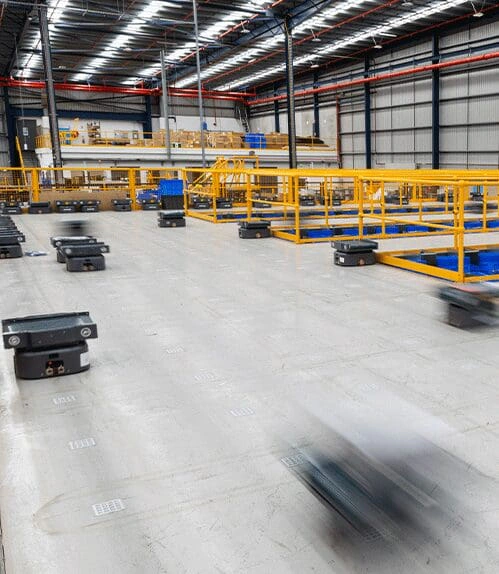
Manual processes are cumbersome and they can slow down speed in numerous ways. That leads businesses to move towards automation for timely dispatch, ensuring faster deliveries. Embracing technologies such as AI-powered demand forecasting and real-time data monitoring to ensure that their warehouses never run out of stock.
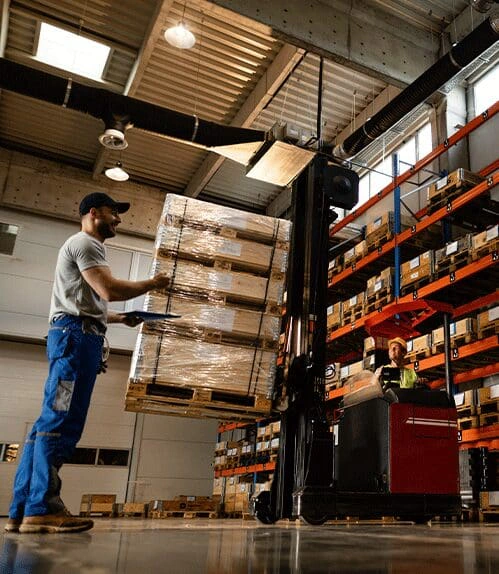
Automation is a mix of systems and intelligent workflows to simplify operations, reduce errors, and boost throughput. It’s less about replacing people, and more about empowering them with smarter, faster, and more reliable systems.
Whether it is centralised dashboards capturing real-time inventory tracking to flexible and scalable architecture and automated workflows or receiving the inbound inventory to carefully picking and packing orders for shipment – automation is driving speed, accuracy and overall efficiency for businesses.
Many warehouse processes don’t even require robotics or complex machinery. Here are some of the key areas which most customers choose to automate:
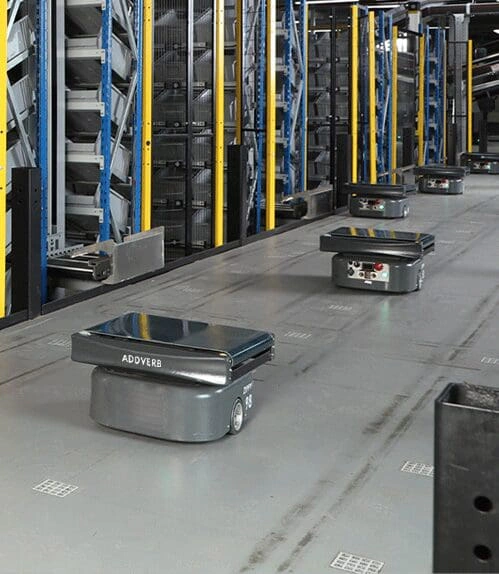
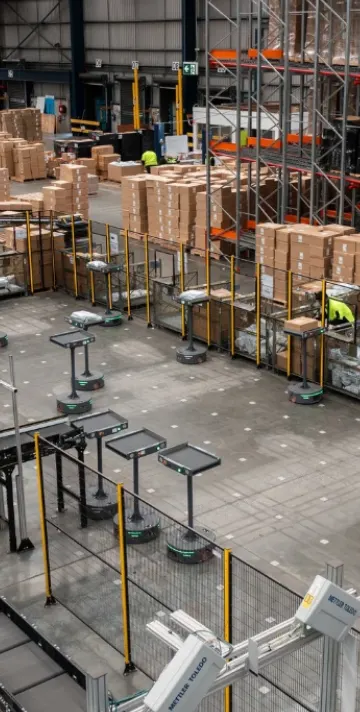
- GTP Stations enabling streamlined order picking. GTP systems bring inventory directly to a Q-commerce warehouse operators instead of having them reach out to pick items. These stations use automated shuttles or robots to quickly retrieve goods from storage locations and deliver them to a fixed workstation, where operators pick and pack the orders. This approach significantly reduces picking time and increases accuracy by minimising manual intrusion.
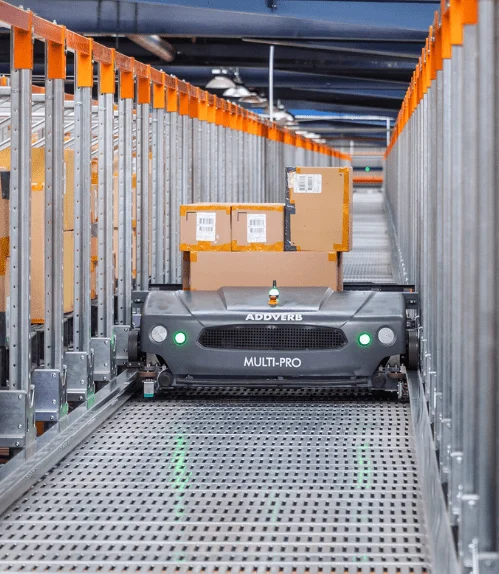
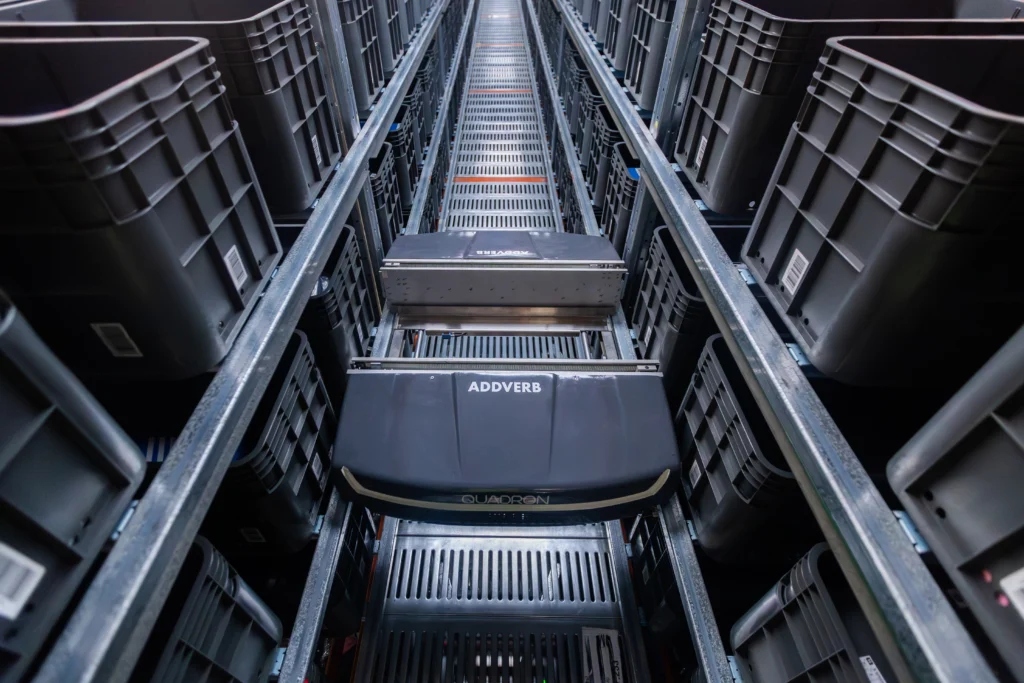
- Automated Storage & Retrieval Systems (ASRS) are automated storage systems with shuttles that store and retrieve goods from high-density storage racks. These systems not only maximise Q-commerce warehouse floor space utilisation by up to 80% but also enable them to store and retrieve goods as per FIFO, FEFO or any pre-defined sequences.
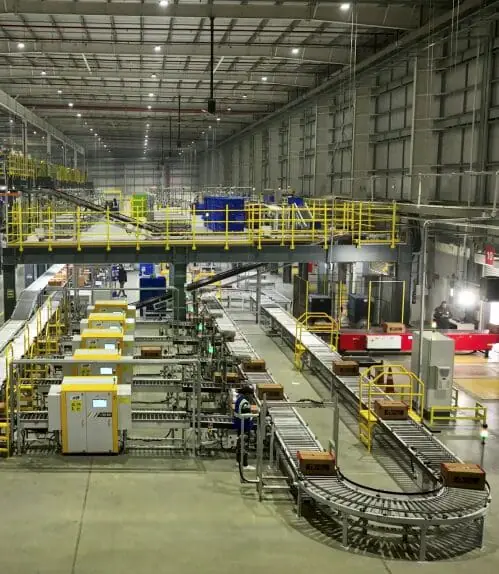
- Modern conveyor systems can be highly automated and integrated with scanners to seamlessly sort and move products with minimal human intervention within the warehouse.
Together, these technologies form an integrated, high-speed Q-commerce warehouse automation ecosystem that boosts throughput, accuracy, and scalability, key for meeting today’s ‘need-it-now’ consumer expectations.
Speed with Accuracy- Why it Matters
As per leading research, customers tend to forgive late delivery at times but not a wrong item or no item at all. The most forward-thinking companies are investing in flexible systems that can adapt to SKU expansion, scalable demand and labour shortages.
Addverb has been crafting such tailored systems – from robots that sort items to the software that connects everything. The goal – Making sure your order fulfillment is fast, accurate and stress free business. So next time your favourite snack shows up almost instantly, remember there’s a whole world of tech working behind the scenes to make it happen.
Industry studies indicate that picking and packing individual items for 25 different consumers requires significantly more labor hours than picking on 1 case containing 25 units destined for a single retail location.
Performance is the new priority in meeting fulfilment
To ace you up against your competitor, speed and accuracy needs to be matched up with system performance. To thrive, businesses have to target the performance across multiple key indicators.
Many Quick commerce players are also opting for automated warehouse solutions to improve their operational efficiency, speed and accuracy levels. One of the major quick-commerce players in India – Blinkit recently posted a video showcasing its automated warehouse designed and deployed by Addverb.
KPIs for success
As online business continues to grow at an exponential speed, fulfilment operations face unprecedented pressure to match customer demands. Success depends on effectively managing these critical KPIs:
- Shorter order cycle times would enable faster delivery and satisfied customers
- Increased accuracy to reduce the human-error, enabling growth
- Managing higher throughput remains to be the key in meeting customer expectations when order volumes spike.
Conclusion
In today’s consumer-driven “psychology of now” environment, these performances measure showcase far more beyond than just metrics. They create the pillar for reliable and competitive e-commerce, ensuring that businesses not only meet expectations now, but also build trust, credibility and long-term customer retention.
Our team of experts designs personalised automation solutions for order picking, storage and sortation, complemented by software and controls that ensure smooth integration with existing systems in your warehouse. Faster fulfilment, accurate orders are the only way to keep up with our “on demand” world.